
Pomeranian Mixed with Siberian Husky – Cost, Size & Personality Explained

Lateef Bhatti
Author
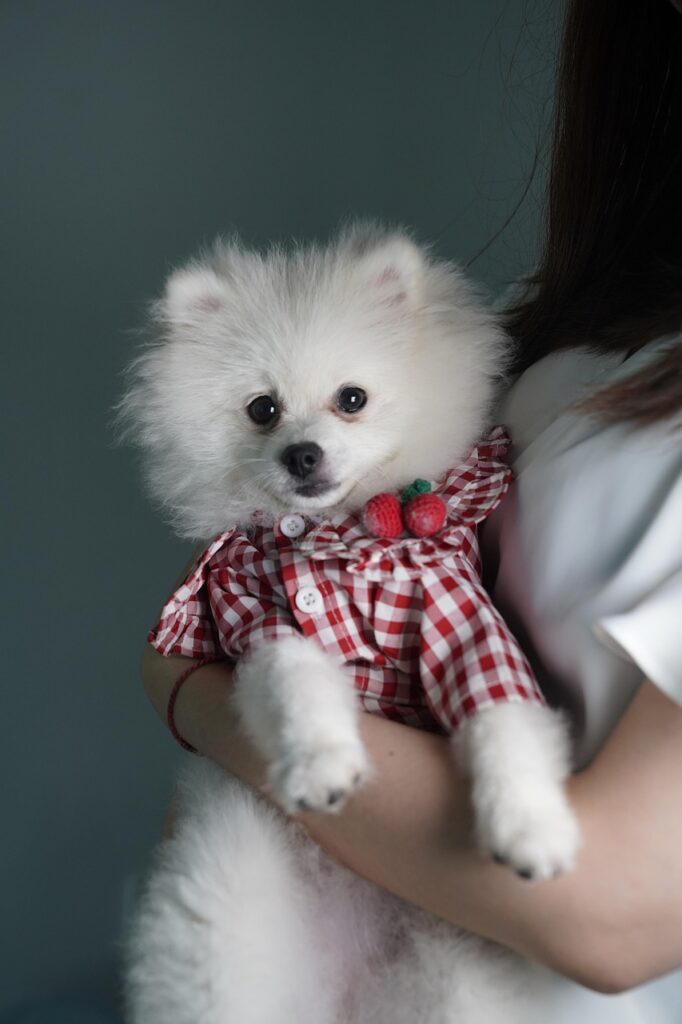
The Pomeranian mixed with Siberian husky, affectionately known as the Pomsky, is the crown jewel of the designer dog world. Combining the majestic, wolf-like allure of the Siberian Husky with the spirited, “big dog in a small body” energy of the Pomeranian, this hybrid is as complex as it is cute. Whether you are captivated by their striking heterochromia or their fox-like fluff, owning a Pomsky is a high-octane adventure that requires more than just a love for aesthetics.
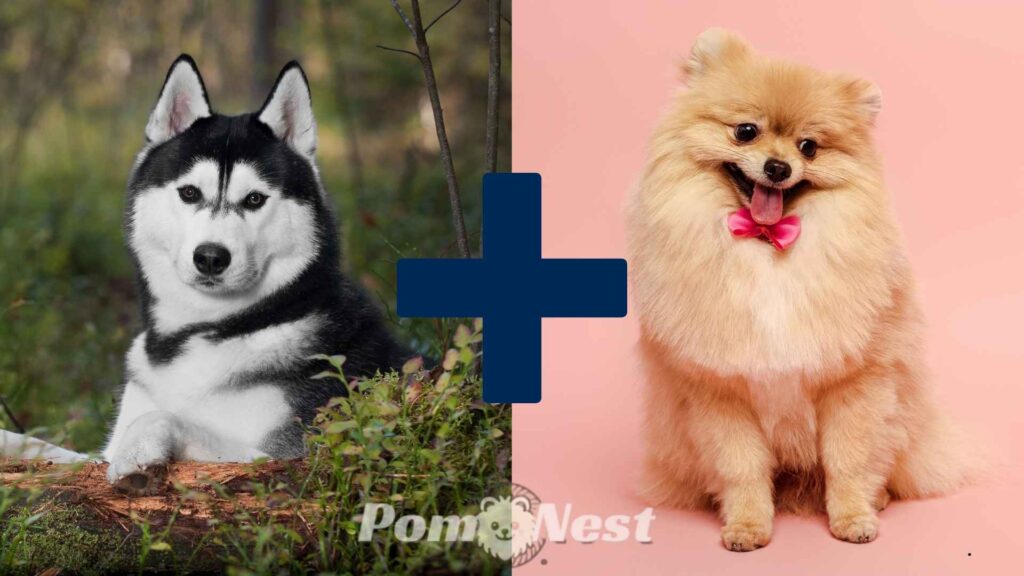
What exactly is a Pomsky?
A Pomsky is a designer crossbreed resulting from the mating of a female Siberian Husky and a male Pomeranian, typically via artificial insemination. They are small-to-medium-sized dogs known for their thick double coats, high intelligence, and vocal personalities.
Table of Contents
Toggle5 Hidden Gems About the Pomsky
- Vocal Gymnastics: Unlike many breeds that simply bark, Pomskies often inherit the Husky “talk.” They will howl, moan, and “woo-woo” at you to express their opinions.
- The “F3” Distinction: Most Pomskies are F1 (50/50 mix), but the most consistent “Husky look” in a small package often comes from F2 or F3 (multigenerational) breeding where the size is stabilized.
- The “Velcro” Independent: They possess a unique psychological tug-of-war. They crave your attention (Pomeranian trait) but value their personal space and autonomy (Husky trait).
- The “Sable” Shift: Many Pomsky puppies are born dark but “clear” into a much lighter cream or wolf-grey as they reach maturity—a genetic surprise for many owners.
- Thermal Regulation: Despite their heavy coats, their smaller surface area compared to a full Husky means they can overheat faster in summer but still need a winter “jacket” if they are on the smaller Pomeranian side.
Quick facts about Pomeranian mixed with Siberian Husky

How big do Pomskies actually get?
Most adult Pomskies weigh between 20 and 30 pounds and stand 10 to 15 inches tall at the shoulder. However, because they are a hybrid, size can vary wildly based on which parent’s genetics dominate the litter.
Size Classifications
Breeders often categorize these dogs to help owners predict growth:
- Toy Pomsky: Under 15 lbs.
- Mini Pomsky: 15–25 lbs.
- Standard Pomsky: 25–35+ lbs.
What is the history of the Pomeranian mixed with Siberian Husky?

The Pomsky is a modern creation that gained viral popularity around 2011 via internet memes and social media. While not a “breed” in the ancient sense, they are recognized by the Dog Registry of America (DRA) and the International Pomsky Association (IPA).
Because of the massive size difference between the parents, ethical breeding must involve a female Husky and a male Pomeranian. This ensures the mother can safely carry the puppies without the risk of the puppies being too large for a natural birth. Natural mating is physically impossible and dangerous, making artificial insemination the standard practice for reputable breeders.
Are Pomskies good with children and other pets?
Pomskies are generally excellent family dogs, but their high energy and “mouthy” Husky nature require supervision around toddlers. They thrive in active households where socialization begins the moment they arrive home.
The Owner’s Perspective: Life with a “Mini Wolf”
Living with a Pomeranian mixed with Siberian husky is like living with a permanent toddler who happens to be an elite athlete.
- The Bark: You will hear the Pomeranian “yip” combined with the Husky “howl.” It is loud and frequent.
- The Shadow: Expect your Pomsky to follow you into the bathroom, then suddenly decide they need to sit in the furthest corner of the house for a nap.
- The Zoomies: At least once a day, your living room will become a racetrack.
How much exercise does a Pomsky need?

A Pomsky requires at least 45 to 60 minutes of vigorous activity daily to prevent destructive behaviors. This should include a mix of brisk walks, off-leash play in a secure area, and mental enrichment like puzzle toys.
I cannot stress this enough: a bored Pomsky is a destructive Pomsky. They inherit the Husky’s legendary “escape artist” tendencies. If they aren’t tired, they will find a way to redecorate your sofa or find a gap in your fence. We call them “land sharks” during their puppy phase for a reason.
What are the primary health issues of Pomsky?
While hybrids often benefit from “hybrid vigor,” Pomskies are predisposed to patellar luxation, hip dysplasia, and various eye conditions inherited from both parent breeds.
Joint and Bone Integrity
The most common issue is Patellar Luxation, where the kneecap slips out of its groove. This is a classic Pomeranian trait. On the other hand, Hip Dysplasia comes from the Husky lineage.
Health & Genetics Checklist
To ensure your companion lives a long, healthy life, look for breeders who perform these specific screenings:
- OFA (Orthopedic Foundation for Animals): For hips and knees (patellas).
- CERF/CAER: Annual eye exams to check for cataracts or distichiasis (extra eyelashes).
- Cardiac Evaluation: To rule out congenital heart issues from the Pomeranian side.
- DNA Testing: Embark or Wisdom Panel results to check for over 200 genetic markers.
Disclaimer: This guide is for informational purposes and does not replace professional medical advice. Always consult with a veterinarian for a personalized health plan tailored to your dog’s specific needs.
How do you groom a Pomeranian Husky mix?

Grooming a Pomsky requires brushing at least three to four times a week to manage their dense double coat and prevent matting. During “blowing season” (twice a year), you will likely need to brush them daily to handle the massive amount of shed undercoat.
The Blow-Out Phenomenon
Twice a year, the Pomeranian mixed with Siberian husky will “blow” their coat. You will find clumps of fur in your coffee, on your clothes, and behind your fridge. During this time, a standard pet store brush won’t cut it. You need professional-grade tools.
Your Pomsky Grooming Kit Essentials
- Slicker Brush: For removing loose fur and debris daily.
- Undercoat Rake: Essential for reaching the deep Husky-style undercoat without damaging the top coat.
- Metal Comb: To check for “hidden” mats behind the ears and in the “pants” (the fur on their hind legs).
- High-Velocity Dryer: If you bathe them at home, a standard hairdryer will take 3 hours. A high-velocity dryer “blasts” the water and loose fur off.
- Tear Stain Wipes: Especially for those with lighter facial markings to prevent yeast buildup.
What should I feed my Pomsky?
Feed your Pomsky a high-protein, calorie-dense kibble formulated for active small-to-medium breeds. Because they are prone to joint issues, keeping them lean is vital; even two extra pounds can put significant strain on their knees.
Nutritional Strategy
I recommend splitting their daily intake into two meals. Avoid fillers like corn and soy, as the Pomeranian mixed with Siberian husky can be prone to skin allergies that flare up with poor-quality grains. Look for foods rich in Omega-3 and Omega-6 fatty acids to keep that double coat shiny and reduce skin flakiness.
Is the Pomsky easy to train?

Pomskies are highly intelligent but famously stubborn; they respond best to positive reinforcement and short, engaging training sessions. They will learn a command in minutes, but they may “negotiate” with you before deciding to obey it.
Training the “Recall”
Huskies are notorious for having zero recall (the ability to come when called). They see a squirrel and they are gone. Pomsky inherits this “selective hearing.” Never let your Pomsky off-leash in an unfenced area until you have spent years—not months—mastering recall.
Common Question: Can a Pomsky live in an apartment?
Yes, they can adapt to apartment life if you satisfy their exercise needs. However, their vocal nature can be a problem for neighbors. “Quiet” training should be your top priority during the puppy phase.
Why are Pomskies so expensive?
The high price of a Pomsky (ranging from $1,500 to $5,000) reflects the medical costs of artificial insemination and the high demand for specific aesthetic traits like blue eyes.
The “Blue Eye” Premium
Heterochromia (two different colored eyes) or “Husky Blue” eyes are the most sought-after traits. Breeders often charge $500–$1,000 more for a puppy with these eyes. However, as an expert auditor, I warn you: never choose a puppy based on eye color alone. Temperament and health clearances are far more important for a 15-year commitment.
Understanding the Pomsky Personality: The "Fox" vs. The "Wolf"
When you get a Pomeranian mixed with Siberian husky, you are gambling on personality.
- The “Fox” Type: These Pomskies lean into the Pomeranian side. They are feisty, alert, slightly suspicious of strangers, and intensely loyal to one person. They are “barkers.”
- The “Wolf” Type: These lean into the Husky side. They are social butterflies, love everyone they meet, are prone to wandering, and are much more likely to howl than bark.
Socialization is Non-Negotiable
You must introduce your Pomsky to at least 50 new people and 20 new dogs in their first 16 weeks. Without this, the Pomeranian “stranger danger” can turn into fear-aggression, while the Husky “prey drive” can make them dangerous around cats or small birds.
How do Pomskies handle different climates?
Pomskies are cold-weather champions due to their thick double coats, but they struggle significantly in high humidity and temperatures over 80°F.
Summer Safety Protocol
If you live in a warm climate, walk your Pomeranian mixed with Siberian husky before 7:00 AM or after 8:00 PM. Their paws can burn on hot pavement, and their dense fur traps heat. Never shave a Pomsky. Their double coat acts as insulation against both cold and heat. Shaving them ruins the coat’s texture and strips them of their natural temperature regulation.
The Economics of Ownership: Beyond the Puppy Price
Owning a Pomsky is a luxury experience with luxury costs. In 2026, the average annual cost of owning a Pomsky (excluding the purchase price) is roughly $2,200.
Yearly Budget Breakdown
- Professional Grooming: $600–$900 (every 6–8 weeks).
- High-Quality Food: $500–$700.
- Pet Insurance: $400–$600 (Highly recommended for this breed).
- Routine Vet Visits: $250.
- Toys/Enrichment: $150 (They are heavy chewers!).
Common Behavioral Issues & How to Fix Them

1. Separation Anxiety
Pomskies are “people dogs.” If left alone for 8+ hours, they will howl and chew your baseboards.
- Fix: Crate training from day one and using “calming” pheromone diffusers.
2. Digging
This is a core Husky trait. They dig to find cool earth or just for fun.
- Fix: Provide a designated “digging pit” (a sandbox) in the yard where they are allowed to go wild.
3. “The Pomsky Scream”
When they are frustrated or want a treat, they emit a high-pitched sound that is a mix of a siren and a toddler’s tantrum.
Fix: Ignore the sound entirely. Only reward them when all four paws are on the floor and they are silent.
Finding an Ethical Breeder for Pomeranian mixed with Siberian Husky
The popularity of the Pomeranian mixed with Siberian husky has unfortunately attracted “backyard breeders.”
Red Flags to Watch For:
- The breeder lets you take the puppy home before 8 weeks.
- They don’t show you the mother (the Husky).
- They claim the dogs have “no health issues” (all dogs have potential issues).
- They don’t ask you any questions about your lifestyle.
Green Flags:
- They are members of the Pomsky Club of America.
- They provide a 2-year genetic health guarantee.
- The puppies are raised in a home environment, not a kennel.
- They require you to sign a spay/neuter contract.
Final Verdict: Is the Pomsky right for you?
The Pomeranian mixed with Siberian husky is a masterpiece of designer breeding, but it isn’t a “set it and forget it” pet. If you want a dog that looks like a wolf, acts like a comedian, and has the energy of a marathon runner, the Pomsky is your perfect match.
However, if you work 10 hours a day, live in a strictly “quiet” apartment, or hate the idea of dog hair on your clothes, this mix will likely overwhelm you. They are a high-maintenance, high-reward companion for those who treat their dogs like family.
FAQs
The mix is often called a Pomsky (Husky Pomeranian mix or Pom-Husky), a designer hybrid Pomeranian and Siberian husky.
Yes—it is possible biologically, but due to the size difference, natural mating is quite dangerous, and artificial insemination is usually the route taken to safeguard the dam and her pups. Ethical breeding should always include a vet, and it will ensure better results.
They can vary a lot in size, but Pomskies usually fall in the small to medium range, averaging 10 to 30 lb (4.5 to 14 kg) and around 10 to 20 inches (25 to 50 cm) tall at the withers, depending on the parents.
A pet-quality Pomsky puppy usually ranges in price from $1,500, and can go as high as $3,000 to $5,000+, and the price usually depends on the breeder’s reputation, the puppy’s color, the color of the eyes, size, and the need for breeding.
Normally, Pomskies are friendly. They exhibit kind of high energy, and tend to be a bit stubborn which is completely normal, but they are also kind of prey driven, in some rare cases, a bit independent. Proper and constant training and lots of exercise will ensure positive behavior.
You may also like





Build the Perfect Care Routine for Your Pomeranian
Select your Pom’s age, coat type, and activity level to instantly get a custom care checklist — it’s fast, free, and made with love!
Give your Pom the daily care they truly deserve.