
What Does a Pomeranian Look Like? The Complete Visual Guide to This Fluffy Breed

Lateef Bhatti
Author
If you have ever seen a tiny, fox-faced dog with a cloud of fur that seems physically impossible for its body size, you have already met a Pomeranian. I remember the first time I saw one at a dog show in 2019. A three-pound orange Pom strutted across the floor like it owned the building, and every single person in the room stopped what they were doing. That is the Pomeranian effect.
So, what does a Pomeranian look like exactly? On the surface, the answer sounds simple: small, fluffy, loud personality. But the reality is far more nuanced. The Pomeranian appearance is a masterpiece of selective breeding built over nearly 300 years, and understanding it properly helps you identify the breed correctly, avoid getting scammed when buying, and recognize the many dogs that look like Pomeranians but are something else entirely.
Table of Contents
Toggle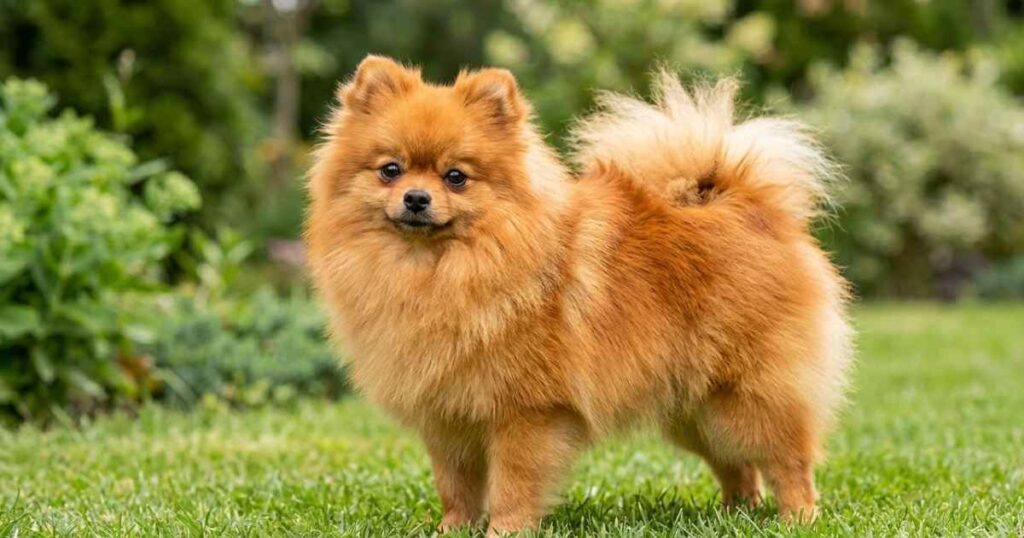
In this guide, you will get the full picture, from coat texture and color variations to body proportions, facial features, and size. You will also discover what a big Pomeranian looking dog actually is, how to tell a Pomeranian from dogs that look like a Pomeranian, and why the “throwback” Pomeranian is causing real confusion online. Whether you are a prospective owner, a curious dog lover, or someone who just spotted an unusual fluffball at the park, this is the most complete answer you will find.
What Does a Pomeranian Dog Look Like at First Glance?
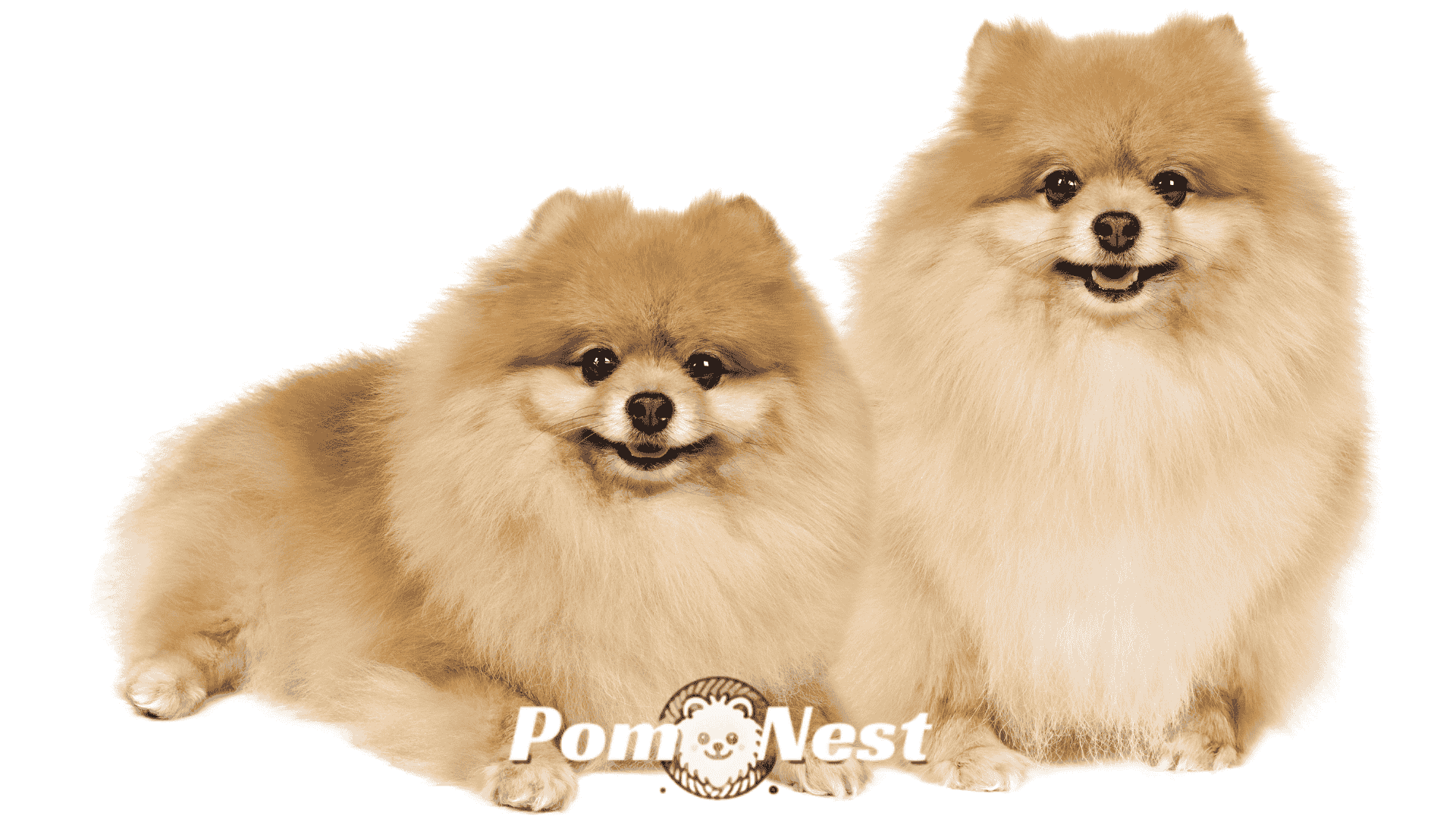
The first thing you notice about a Pomeranian is the coat. It stands away from the body rather than lying flat, giving the dog an almost spherical silhouette from a distance. This is not grooming trickery. The Pomeranian’s double coat, a dense, soft undercoat paired with a longer, harsher outer coat, creates that natural puffed-up look without any product.
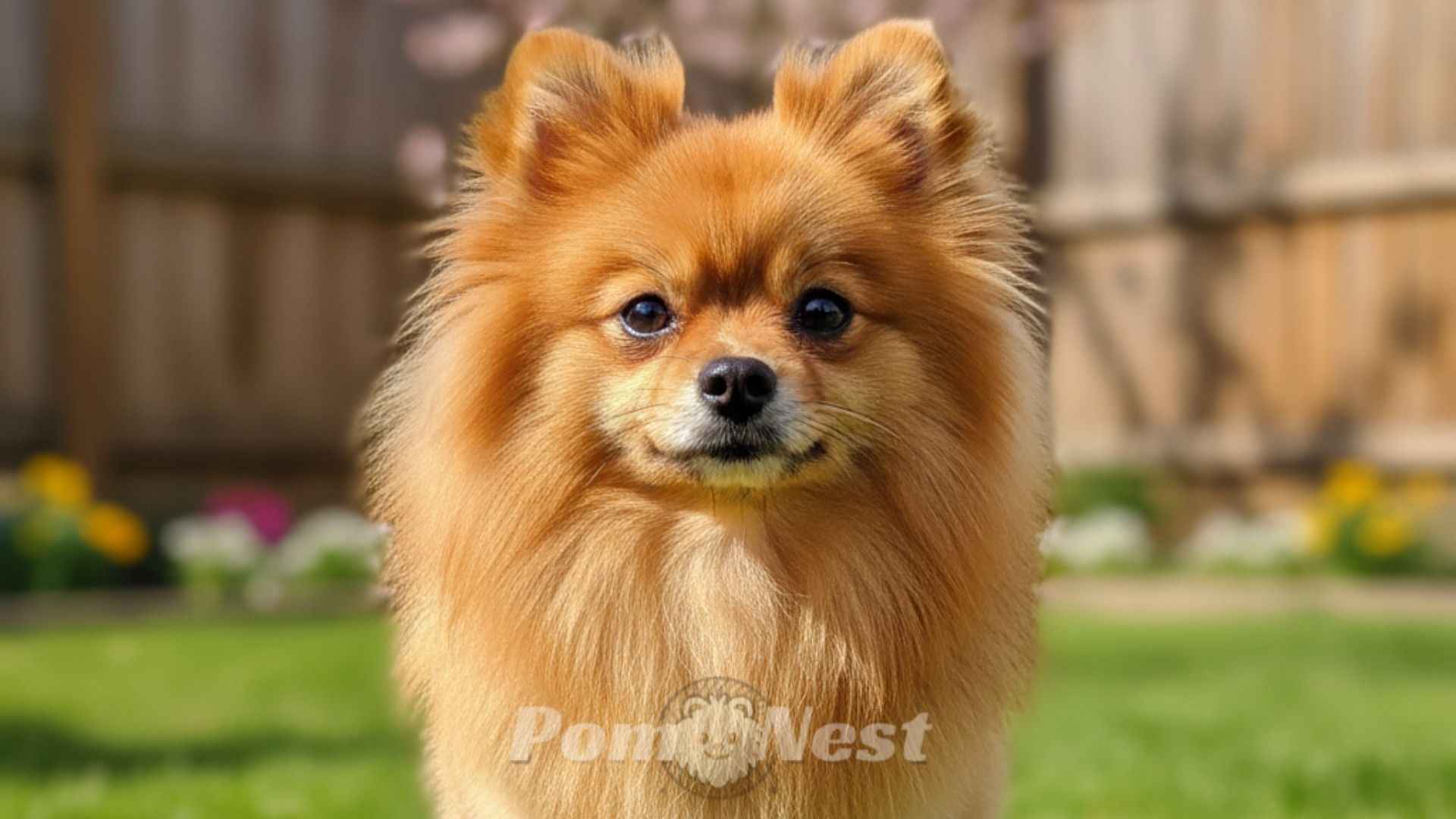
The second thing you notice is the face. Pomeranians have what breeders call a “fox-like expression.” The muzzle is short and slightly pointed, the eyes are dark and almond-shaped, and the ears are small and erect, sitting high on the head. When a Pomeranian tilts its head at you, and trust me they will, the combination of those features creates an almost cartoon-like alertness that is genuinely disarming.
The Pomeranian by the Numbers
Here is what the full picture looks like at a glance:
- Height: 6 to 7 inches at the shoulder
- Weight: 3 to 7 pounds (breed standard)
- Body shape: Compact and square, with a short back
- Tail: High-set, heavily plumed, and lies flat over the back
- Coat length: Medium to long, with a pronounced ruff around the neck and chest
The Detail Everyone Misses: The Tail
The tail is something people often overlook when asking about Pomeranian appearance. It curls up and forward over the back, and the thick plume of fur fans out like a peacock feather. When a Pomeranian runs toward you, that tail bounces over its back with every step. It is one of the breed’s most distinctive physical features and one of the clearest ways to distinguish a Pom from a superficially similar breed.
First Impressions vs. Breed Reality
The overall impression is a dog that looks like a miniature lion or fox dressed in the fanciest fur coat available. Compact, alert, and almost offensively cute. But here is what nobody tells you upfront: that perfect fluffy image takes two to three full years to develop. The dog you see in your first Google search is a fully mature adult. What you bring home as a puppy will look very different for the first year of its life, more on that later in this guide.

Pomeranian Coat Colors: More Variety Than You Expect
One of the most misunderstood parts of Pomeranian appearance is how wildly coat color varies. Most people picture the classic orange or cream Pomeranian because those are the most photographed. The reality is that Pomeranians come in more than 20 recognized color variations, making them one of the most color-diverse toy breeds in existence.
The Classic and Common Colors
Orange and red are the shades most people associate with the breed, ranging from a deep burnt orange to a bright copper-red. Boo, the famous internet Pomeranian, was this color, and his popularity cemented the orange Pom as the default image most people carry.
Cream and white coats are pale, almost ivory, and photograph beautifully in natural light. True whites have no shading; creams have a warm golden tint, especially around the ears and sometimes down the back.
Black Pomeranians have a deep, shiny coat with no brown tinting. The dark coat emphasizes their dark eyes, giving them a slightly more dramatic and sharp expression than their orange counterparts.
The Rarer and More Unusual Colors
Blue and lavender are dilute colors, not actually blue or purple, but a soft gray-blue or dusty lavender that looks almost surreal in certain lighting. Blue Pomeranians are rarer and often carry a higher price tag, sometimes $3,000 to $5,000 as of 2024.
Parti-color Pomeranians have a white base with patches of any other color, giving them a painted-toy quality that is genuinely striking in person and increasingly popular on social media.
Merle is a mottled pattern with patches of diluted color on a lighter base. Merle Pomeranians are controversial in the breed community because merle breeding can carry serious health risks if done irresponsibly, and some kennel clubs are cautious about registration of merle dogs.
Sable Pomeranians have hairs that are dark-tipped over a lighter base, creating a shadowed or smoky quality especially visible on the back and shoulders in direct sunlight.
Why Puppy Color Is Not the Final Answer
Here is something I learned the hard way when helping a friend pick a Pomeranian puppy in 2021: coat color in Pomeranian puppies is simply not final. Orange puppies often go through a “puppy uglies” phase between 4 and 8 months where they lose much of their fluffy coat before the adult double coat grows in. A puppy that looks cream at 10 weeks may be orange at 18 months. Always ask breeders for photos of both parents before making any color assumptions.
A Note on Coat Genetics for Buyers
Pomeranian coat color follows complex genetic rules involving multiple loci, the A locus (agouti), B locus (brown), D locus (dilution), and E locus (extension). A reputable breeder will understand these and can make educated predictions about adult color from parent combinations. If a breeder cannot explain the genetics behind an unusual color they are charging a premium for, that is a warning sign worth taking seriously.
Pomeranian Size: What “Small” Actually Means
The official AKC breed standard places the ideal Pomeranian weight at 3 to 7 pounds, roughly the weight of a bag of sugar. At 6 to 7 inches tall, they are about the height of a standard soda can. But here is where things get complicated and where a lot of buyer confusion happens.
The Teacup Problem: Buyer Beware
Teacup Pomeranians are marketed heavily online as a size variation, often priced at $5,000 or more. These are dogs that weigh under 3 pounds. No kennel club recognizes “teacup” as an official size category. What you are often buying is either a runted puppy with inherent health vulnerabilities or a dog from lines irresponsibly bred for extreme smallness.
Health Risks in Teacup-Sized Dogs
Hypoglycemia, collapsed tracheas, and fragile bones are disproportionately common in these dogs. Vets who specialize in small breeds consistently report that sub-3-pound Pomeranians require more medical interventions over their lifespan and have shorter average lifespans than standard-sized dogs. The marketing is sophisticated; the reality is not pretty.
Throwback Pomeranians: The Other End of the Scale
Then there is the other direction. Throwback Pomeranians, also called large Pomeranian looking dogs, are Pomeranians that genetically revert to the larger size of their ancestors. Modern Pomeranians descend from large Nordic sled dogs (the original Pomeranian Spitz weighed around 30 pounds), and occasionally those older genes resurface. A throwback Pomeranian can weigh 10 to 20 pounds and still be a fully purebred dog.
Why Many Owners Actually Prefer Throwbacks
I spoke with a breeder in Colorado who has been breeding Pomeranians for 14 years. She described throwbacks as “the breed’s best-kept secret”, dogs that have all the personality and Pomeranian appearance of a standard Pom but with a sturdier, more manageable body. They are easier to walk on a leash, far less fragile around children, and still look unmistakably Pomeranian. The only thing they cannot do is compete in AKC conformation shows.
What Does a Big Pomeranian Looking Dog Mean, Throwback or Different Breed?

This question comes up constantly in Pomeranian forums, and the answer matters a lot if you are trying to identify a dog you have seen or one you are considering buying. A big Pomeranian looking dog can be one of three distinct things.
Option 1: A Throwback Pomeranian (Purebred)
As mentioned above, throwbacks are genetically larger due to ancestral Spitz traits re-emerging. They are AKC-registrable as Pomeranians but do not meet the breed standard for show. For a pet owner, that distinction is irrelevant. Their appearance is identical to a standard Pomeranian, fox face, double coat, plumed tail, compact body, just scaled up significantly.
Option 2: An American Eskimo Dog
The American Eskimo Dog is probably the most common dog mistaken for a large Pomeranian looking dog. They share the same Nordic Spitz ancestry, the same dense double coat, the same fox-like expression, and the same alert, curious personality. Eskies come in toy (6–10 lbs), miniature (10–20 lbs), and standard (25–35 lbs) sizes.
How to Tell an Eskie from a Pomeranian
The main differences are subtle but consistent. Eskies are always white or biscuit-colored, never orange, black, or parti. Their skull is slightly broader and their muzzle is proportionally longer than a Pomeranian’s. The ruff around the neck is less dramatically full. Their overall gait has a slightly more ground-covering quality compared to the Pomeranian’s characteristic prance.
Option 3: A Japanese Spitz
The Japanese Spitz is another white-coated, fox-faced Spitz breed that gets confused with both large Pomeranians and American Eskimo Dogs. They weigh 11 to 20 pounds and have the same fluffy, stand-off coat. The Japanese Spitz has a slightly more refined, angular facial structure compared to the rounder Pomeranian face, and their ears are proportionally larger relative to skull size.
The Quickest Way to Tell Them Apart
If you are trying to identify a large Pomeranian looking dog and cannot confirm the breed, look at the muzzle-to-skull ratio. Pomeranians have a shorter, more pointed muzzle relative to skull size. American Eskimos have a more balanced proportion. Japanese Spitz fall in between. Also check color: if the dog is not white, it is almost certainly not an Eskimo or Spitz.
Dogs That Look Like Pomeranians, A Practical Comparison Guide

The Pomeranian belongs to the Spitz family, a group of Nordic dogs that all share structural traits: wedge-shaped head, erect ears, dense double coat, and curled tail. This means there are several breeds that look like a Pomeranian at a casual glance.
The Full Comparison Table
| Breed | Weight | Coat Color | Key Difference from Pomeranian |
|---|---|---|---|
|
American Eskimo (Toy)
|
6–10 lbs
|
White/biscuit only
|
Longer muzzle, always white
|
|
Japanese Spitz
|
11–20 lbs
|
White only
|
Slightly taller, more refined face |
|
Volpino Italiano
|
9–14 lbs
|
White or red
|
Italian cousin, less fluffy tail plume
|
|
Keeshond
|
35–45 lbs
|
Gray, black, cream
|
Much larger, distinctive “spectacles” markings |
|
Samoyed
|
35–65 lbs
|
White/cream
|
Much larger, softer expression
|
|
German Spitz (Klein)
|
15–25 lbs
|
Multiple colors
|
Longer legs, less compact build
|
The Closest Lookalike: German Spitz Klein
The dog that looks like a Pomeranian most closely in terms of both size and coat type is the German Spitz Klein. This makes perfect sense because the Pomeranian is a direct descendant of German Spitz dogs brought to the Pomerania region centuries ago. The two breeds look almost identical to a casual observer. The tell is body proportion: the German Spitz Klein has slightly longer legs relative to its body, giving it a less compact and slightly taller silhouette than the quintessentially cobby Pomeranian.
The Surprising Keeshond Connection
Here is a detail that surprises most people: the Keeshond, despite being four to eight times heavier than a Pomeranian, is considered a close cousin. When you see a Keeshond puppy at 8 weeks old, the resemblance to a Pomeranian is striking enough to confuse even experienced dog owners. The distinctive “spectacles”, darker shading around the eyes, become more obvious as the dog matures, but at 8 weeks it is easy to mistake a Keeshond puppy for a very large Pomeranian.
What About Pomeranian Mixes?
A dog that looks like a Pomeranian but behaves or moves differently might be a mixed breed. The most common Pom mixes are worth knowing.
Pomchi (Pomeranian x Chihuahua)
Tends to be very small, often with a rounder skull, slightly larger ears, and a thinner coat than a purebred Pom. The tail may or may not curl over the back depending on which parent’s genetics dominate.
Pomapoo (Pomeranian x Poodle)
Wavy or curly coat, slightly longer legs, softer facial features. Often marketed as hypoallergenic, though no dog is truly hypoallergenic.
Shiranian (Pomeranian x Shih Tzu)
Flatter face, rounder skull, silkier coat that falls rather than stands off the body. Significantly different body proportions from a purebred Pomeranian.
The Pomeranian Face: Fox, Bear, or Baby Doll?
This is where Pomeranian appearance gets genuinely interesting, and where responsible breeding versus trend-chasing breeding shows up most visibly.
The Fox Face: The Breed Standard
The AKC breed standard describes the ideal Pomeranian expression as “fox-like”, alert and intelligent, with a pointed muzzle, dark almond eyes, and high-set triangular ears. This is the classic Pomeranian look refined over generations of careful breeding. The muzzle should be about one-third the length of the skull, creating that distinctive wedge profile that distinguishes what a Pomeranian dog looks like from other toy breeds.
The Bear Face Trend: Appealing but Problematic
In recent years, a second type has become enormously popular online: the bear face or baby doll Pomeranian. These dogs have a rounder, wider skull, a shorter and flatter muzzle that is almost snub-nosed, larger and rounder eyes set wider apart, and a flatter overall face profile.
The Real Health Cost of Bear-Face Breeding
The bear-face look photographed exceptionally well, which is precisely why it has spread so fast. The problem is that breeding for this look often means breeding for brachycephalic traits, the same traits that cause breathing problems in Bulldogs and Pugs. Some bear-face Pomeranians have measurable breathing difficulties, reduced exercise tolerance in warm weather, and are prone to overheating on moderately active walks.
This is my honest, perhaps controversial opinion: if a breeder specifically markets “bear face” Pomeranians at a premium price, walk away. You are paying extra for a trait that may genuinely harm your dog’s quality of life. The fox-face standard exists for good anatomical reasons.
How to Evaluate a Pomeranian’s Face Yourself
Listen to the dog breathe at rest. A healthy Pomeranian with good structure breathes quietly. Audible snoring, snorting, or labored breathing at rest in a calm environment is a warning sign. Also watch the dog after minimal exertion, a quick walk around the block should not leave a dog gasping or snorting.
Pomeranian Tail, Ears, and Body Proportions
The finer details of Pomeranian appearance are where you can really tell the breed apart from lookalikes and evaluate a dog’s structural quality. These are the things that experienced breeders and show judges look at immediately.
The Tail: High, Plumed, and Proud
The tail should be set high and carried flat over the back. When a Pomeranian is happy and moving, the tail wags by rotating slightly side to side while staying relatively flat against the back. It should not hang down or curl tightly in a tight spiral like a Shiba Inu. The fur on the tail fans outward in a plume, often adding two to three inches of visual length to the dog’s silhouette from the side.
The Ears: Small, Erect, and Close Together
The ears are small, erect, and triangular. They sit high on the skull and very close together, almost touching at the base. A Pomeranian with ears set wide apart, or with ears that flop forward slightly, is either young (ear cartilage stiffens as puppies mature, usually by 8 weeks) or not fully representative of the breed standard.
The Body: Compact, Cobby, and Square
The body is described as “cobby” in breed terminology, short-backed, compact, and roughly square in profile. The chest is fairly deep, and the ribs are well-sprung (rounded rather than flat). A Pomeranian should not look long and low like a Dachshund, and it should not look leggy or tall. The overall impression is a dense little package that carries itself with remarkable confidence for its size.
Feet and Gait: The Famous Pomeranian Prance
The feet are small and catlike, compact, with arched toes. Pomeranians walk with a proud, free gait that owners often describe as “prancing.” This is not a personality affectation. It is anatomically related to their upright posture and the slight spring in their step from their well-angled rear quarters. Watch a Pomeranian walk toward you and you will see the front legs lift with an almost exaggerated deliberateness. It is one of the breed’s most charming and distinctive quirks.
How Pomeranian Appearance Changes From Puppy to Adult

If you have ever seen a Pomeranian puppy at 12 weeks and been confused by how different it looks from the adult version in a breeder’s photos, you are not imagining things. The transformation is dramatic, and it catches new owners completely off guard.
The Puppy Uglies: What No One Warns You About
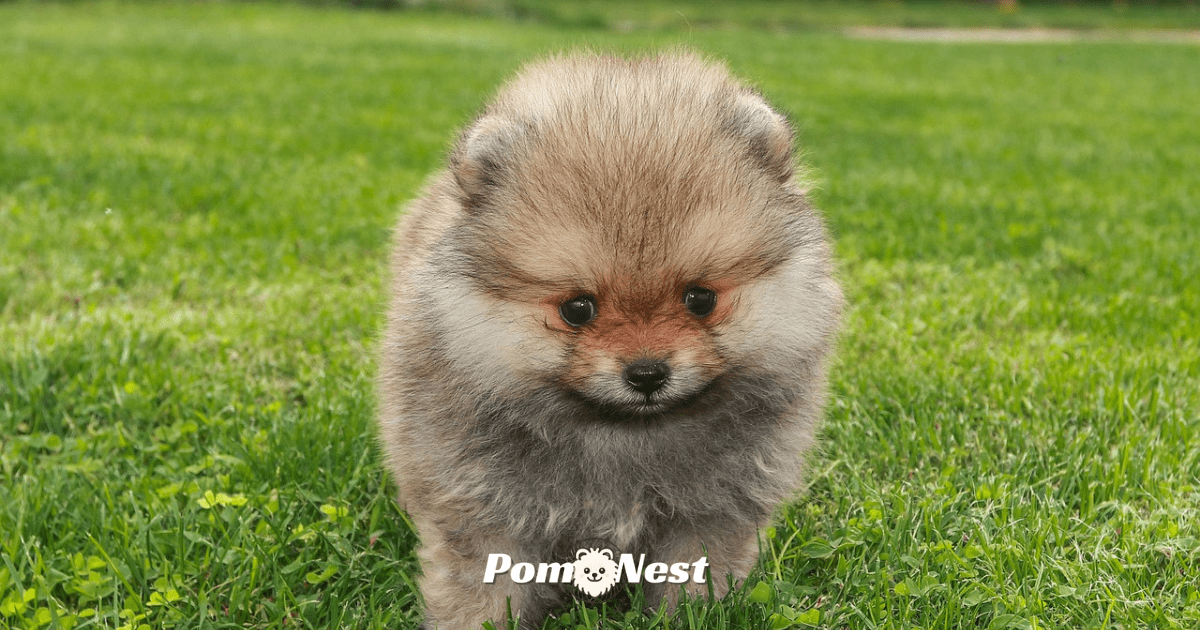
Between roughly 4 and 8 months, Pomeranians go through what the breed community calls the “puppy uglies.” The fluffy puppy coat falls out and is replaced by the adult double coat, but the timing is uneven and often patchy. During this phase, a Pomeranian puppy can look thin, sparse, almost ratlike, with a thin coat and a visible body outline. If you did not know this was normal, it would be alarming enough to call a vet.
The Full Coat Development Timeline
- 0–4 months: Soft, fluffy puppy coat. The dog looks deceptively fluffier than it will as a young adult.
- 4–8 months: Puppy uglies. Coat thins and patches. Some puppies look barely recognizable during the peak ugly phase.
- 8–14 months: Adult coat begins growing properly. The ruff around the neck and chest becomes prominent.
- 2–3 years: Full adult coat achieved. This is when a Pomeranian truly looks like the classic images in breed guides.
How Color Shifts During Development
Color can shift significantly during this period. An orange puppy may look cream or pale during the puppy uglies, then deepen back to orange as the adult coat grows in. A sable puppy may appear to darken or lighten dramatically depending on the development stage. This is exactly why experienced breeders and buyers look at parental lines rather than puppy appearance alone when predicting adult color.
One Practical Tip for New Owners
Take photos of your puppy every two weeks during months 4 through 10. The transformation is so gradual you cannot see it in real time, but the photo sequence is remarkable. Many Pomeranian owners post these timelines in breed communities online, and they remain some of the most engaged content in those spaces because the change is genuinely surprising every single time.
FAQ: What Does a Pomeranian Look Like?
People also ask:
The Pomeranian is technically a type of Spitz dog, so the question usually means the German Spitz Klein or Mittel. The key differences: Pomeranians are smaller (3–7 lbs vs. 15–25 lbs for German Spitz Klein), have a shorter back, a slightly rounder skull, and a more profuse ruff around the neck. Coat texture is similar, but the Pomeranian’s is generally considered more profuse relative to body size. The Pom also has shorter legs relative to overall body height.
Despite sometimes being similar in weight, these breeds look very different. Chihuahuas have an apple-shaped or deer-shaped skull, large rounded eyes, and a coat that lies relatively flat. Pomeranians have a wedge-shaped head, smaller almond eyes, a stand-off double coat, and a plumed tail that curves over the back. A long-coated Chihuahua is the most similar in surface appearance, but the skull shape and body proportions are quite distinct once you know what to look for.
Yes, the double coat is a defining breed trait. However, some Pomeranians carry a rare recessive gene called the “fluffy gene” or PLN mutation, which causes the adult coat to grow extremely long and soft rather than standing off the body. These are sometimes called “fluffy Pomeranians,” are disqualified from the show ring, but are gaining popularity as pets and being marketed at premium prices in some circles.
The most likely candidates are the American Eskimo Dog (toy or miniature size), the Japanese Spitz, the German Spitz Klein, or the Volpino Italiano. If the dog is large (over 25 lbs) and looks like a Pomeranian, it is most likely an American Eskimo standard size, a Keeshond, or a Samoyed. Color is your fastest filter: only the German Spitz and Volpino come in non-white colors.
A Pomeranian tail that hangs down or does not curl over the back is considered a fault under AKC standards. In practice, some dogs’ tails drop when they are tired, frightened, or deeply relaxed in sleep. If a Pomeranian consistently holds its tail down while awake and active, it may indicate discomfort, a structural issue, or simply that the dog is not a purebred Pomeranian.
Lavender (also called lilac) is considered the rarest natural color. It results from a double dilution of both the black and chocolate genes and produces a soft, dusty pinkish-gray coat that looks almost otherworldly in certain lighting. True lavender Pomeranians are extremely rare from responsible breeders and can cost $4,000–$8,000 or more as of 2026.
Not by breed standard. A Pomeranian with a noticeably short, flat coat has likely been shaved down (a practice strongly discouraged by vets because it can permanently damage the double coat’s ability to regrow correctly), is going through puppy uglies, or is a mixed breed. The Pomchi (Pomeranian/Chihuahua cross) often inherits the Chihuahua’s thinner, flatter coat and is one of the more common short-coated dogs that looks like a Pomeranian.
What the Pomeranian Standard Does Not Prepare You For
I want to be honest about something the official breed descriptions consistently leave out: Pomeranians look more different from each other than most breed guides suggest.
The Variation Within the Breed
Two dogs that are both AKC-registered, full-bred Pomeranians can look noticeably distinct in person. One might have a tighter, more compact face with a very short muzzle; another might have a longer, more pronounced fox face. One’s coat might be so profuse it looks doubled in size; others might be more moderate. Color variation alone creates enormous visual diversity across litters and bloodlines.
Why That Variation Exists
This is not a flaw. It is a natural result of the breed’s history, centuries of development across Europe, a dramatic size reduction in the 19th century (Queen Victoria famously popularized the smaller type after importing a particularly small specimen from Florence in 1888), and the enormous range of color genetics packed into one compact little breed.
The Truest Answer to the Question
When you ask what does a Pomeranian look like, the most accurate answer is: a small, compact, double-coated Spitz-type dog with a fox-like expression, erect triangular ears, a plumed tail carried over the back, and a coat that ranges from white to black to orange to blue, usually in a body between 3 and 7 pounds, but occasionally and legitimately up to 20 pounds in throwback lines.
Everything else is variation within a remarkably adaptable, beautiful little breed that has been capturing human attention since the 18th century, and shows absolutely no sign of stopping.
Conclusion
Understanding Pomeranian appearance goes much deeper than “small and fluffy.” From the distinctive fox face and double coat to the plumed tail, the wide color spectrum, and the legitimate size variation between standard and throwback dogs, the Pomeranian is a breed with more visual complexity than most people expect.
The next time you see a small, Spitz-type dog that makes you stop mid-sentence, you now have the tools to figure out exactly what you are looking at. Is it a standard Pomeranian, a throwback Pom, an American Eskimo, or a Japanese Spitz? The muzzle, coat color, tail carriage, and body proportions will tell you.
And if it turns out to be a three-pound orange cloud that immediately demands your full attention? Congratulations. You have met a Pomeranian. Your afternoon plans are now cancelled.
You may also like
Build the Perfect Care Routine for Your Pomeranian
Select your Pom’s age, coat type, and activity level to instantly get a custom care checklist — it’s fast, free, and made with love!
Give your Pom the daily care they truly deserve.