
Pomeranian Behavior: Mastering the Spunk and Spirit of the Arctic Lion

Lateef Bhatti
Author
Pomeranian behavior is naturally bold, curious, and very energetic because these tiny dogs descend from large Arctic sled dogs. To manage their personality, owners should use consistent training to help with loud barking and their “big dog” attitude. By using rewards and plenty of patience, you can turn their spirited habits into a loyal and friendly bond.
What Drives Pomeranian Behavior?
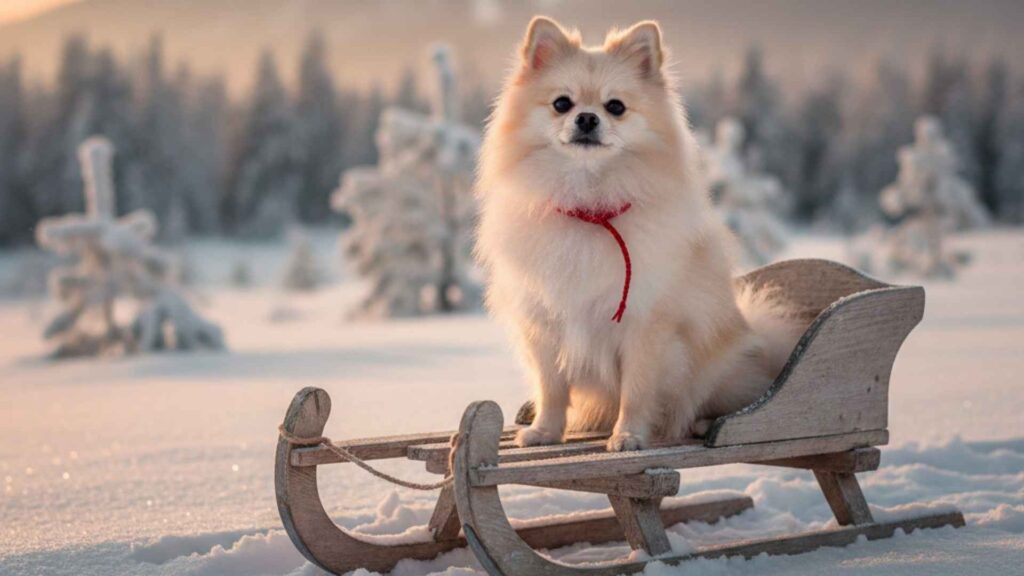
Pomeranian behavior is a complex cocktail of ancestral Arctic work ethic and centuries of being pampered by European royalty. While they are now classified as a “Toy” breed, their psychological makeup is still geared toward guarding, alerting, and staying active.
Table of Contents
ToggleThe Sled Dog Shadow is real. Poms are the smallest of the Spitz family. Their high energy and “always-on” alertness come from a history of needing to hear a predator approaching a campsite in a blizzard. When your Pom barks at the mailman, they aren’t being “annoying”—they are fulfilling a thousand-year-old job description.
Queen Victoria famously refined these dogs, breeding them down from 30 pounds to under 10. This intensified their focus on human companionship. This makes them exceptionally loyal but prone to “Velcro dog” tendencies where they feel they must be in your presence 24/7.
Are Pomeranians Hard to Train?
Pomeranians are highly intelligent and eager to please, but they possess a stubborn streak. Success requires consistent, positive reinforcement and starting “nothing in life is free” protocols early to curb their natural bossiness. If you give in to those puppy-dog eyes once, they will remember it for a decade.
Why Are Pomeranians So Vocal and Bold?

Pomeranians don’t just bark; they narrate their lives. For a Pom, a leaf blowing across the porch is a high-level security breach that requires a 90-decibel response. This vocalization is deeply ingrained and can be difficult to “mute” entirely.
Living with a Pom means accepting that they are “Sentinels.” They don’t bark at nothing—they bark at everything. You’ll notice a specific “yip” for a guest at the door versus a low, rumbling growl for a squirrel. They are incredibly sensitive to the vibration of the floor; they often know a neighbor is in the hallway before you even hear the elevator.
Why Do They Act Tough on Their Turf?
This is a combination of territorial instinct and “Size Illusion.” Pomeranians often lack the self-awareness of their tiny stature, leading them to challenge much larger dogs or strangers to protect their home and “their” humans. To them, they are a 100-pound wolf in a 5-pound body.
Hidden Gem 1: The Alopecia X Connection
Did you know that sudden behavioral changes, like increased irritability or lethargy, can sometimes precede physical symptoms of “Black Skin Disease” (Alopecia X)? In Poms, hormonal imbalances often manifest in “grumpiness” or a refusal to be touched before the hair starts to thin. Always check the skin if your Pom’s mood shifts.
Common Pomeranian Behavior Issues (And the Fixes)
While they are charming, Poms can develop “Napoleon Complex” behaviors if their boundaries are too fluid. They are masters of manipulation and will use their cuteness to bypass the rules you’ve set.
How Do I Stop Resource Guarding?
Use the “Trade-Up” method by offering a high-value treat (like freeze-dried liver) in exchange for the guarded item. This teaches the dog that giving up an object results in something better, rather than a loss of “treasure.” Never simply snatch an item away, as this reinforces the need to guard it.
Why Does My Pom Bark at Other Dogs?
Many Poms suffer from “Leash Reactivity.” Because they feel physically vulnerable, they use a “best defense is a good offense” strategy. They hope that by acting terrifying, the larger dog will stay away.
To fix this, increase their “Socialization Battery.” Take them to dog-friendly stores where they can see—but not necessarily interact with—other dogs from the safety of a carrier or your arms. Reward them for looking at another dog and then looking back at you without barking.
The Evolution of the Pom: Size vs. Temperament
It is helpful to see how much the breed has changed physically while retaining its fiery internal spirit.

The "Human-Touch": Living With the Fluff
Living with a Pom is like living with a tiny, caffeinated accountant who is constantly auditing your movements. They will follow you into the bathroom, sit on your feet while you cook, and give you a “judging” look if you dare to leave the house without them.
The “Pom-Pom” Spin is one of the most endearing traits. When a Pomeranian is excited, they don’t just wag their tail; they do a signature 360-degree spin. This is a physiological expression of joy that is unique to the Spitz breeds. If your Pom stops spinning, it’s often the first sign of back pain or Luxating Patella.
Developmental Milestones and Behavioral Shifts
Understanding your Pom’s life stages helps you predict when “rebellious” phases might occur. Like humans, Poms go through a “teenage” phase where they might “forget” their potty training.
The Puppy Phase (2-6 Months): This is the prime socialization window. During this time, the Pom is a sponge. If you expose them to 100 different people and 50 different sounds now, you prevent a lifetime of fear-based barking.
The “Uglies” & Adolescence (6-12 Months): As their adult coat comes in (the “puppy uglies”), their hormone levels fluctuate. You may see a spike in territorial marking or “selective hearing.” Stay firm with your training during this period; do not let the lack of fluff or the teenage attitude stop your consistency.
Pomeranian Training Tips That Actually Work
You cannot “boss” a Pomeranian into submission; you have to negotiate with them. They are far too smart for heavy-handed tactics and will simply shut down or become aggressive if yelled at.
How Do I Potty Train a Toy Breed?
Use a strict 15-minute rule: take them out 15 minutes after eating, drinking, or playing. Because their bladders are roughly the size of a walnut, they cannot “hold it” as long as larger breeds, making consistency your only weapon. Many Pom owners find success with indoor “potty patches” for high-rise living, but traditional outdoor training is always more reliable.
Checklist: The “Focus & Calm” Grooming Kit
To manage Pomeranian behavior during grooming (which can be stressful), you need the right tools:
- Standard Y-Harness: Never use a neck collar to prevent Tracheal Collapse.
- Slicker Brush: Essential for the double coat; use it while feeding treats to create a positive association.
- Snuffle Mat: Burns mental energy by forcing them to “hunt” for kibble, reducing boredom-based barking.
- Lick Mat with Peanut Butter: Distracts them during nail trims or brushing sessions.
- White Noise Machine: To muffle apartment hallway sounds that trigger reactive barking.
Health, Genetics, and Behavior: The Silent Triggers of Pomeranian Behavior

Sometimes, “bad” behavior is actually a medical cry for help. Poms are stoic and will try to hide their pain until it is unbearable.
Tracheal Collapse: If your Pom barks and then starts “honking” like a goose, they aren’t being stubborn; their airway is struggling. This can cause panic and increased anxiety in the dog.
Luxating Patella: Sudden snapping or refusal to walk is often due to a kneecap popping out of place. This is extremely common in Poms. If your dog suddenly becomes “cranky” when you try to pick them up, they may be experiencing joint pain.
Genetic Screenings: Ensure your breeder has performed OFA (Orthopedic Foundation for Animals) testing for hips/knees and CERF (Canine Eye Registration Foundation) exams for eyes. A dog in pain is a dog that bites.
Disclaimer: Consult with a veterinarian for a personalized health plan. Behavioral changes can often be the first symptom of underlying physiological distress.
The Owner's Perspective: The "Barking" Hierarchy
New owners often ask: “Will my Pom ever stop barking?” The honest answer is no, but you can manage it. You have to learn the difference between their “Request Bark” (I want that cheese) and their “Alarm Bark” (The neighbors are home).
Acknowledging the Alarm Bark—simply saying “Thank you, I see it”—can actually tell the Pom their job is done. If you yell “Shut up!”, the Pom thinks you are barking with them, and they will only bark louder to join the “pack” chorus.
Hidden Gem 2: The “Spitz Staredown”
Pomeranians use intense eye contact to communicate. While in some breeds this is a challenge or a threat, in Poms, it’s often a “check-in.” If you ignore the stare, they will escalate to a “nose-poke” or a sharp yip. Acknowledge the check-in with a quick “Good boy” to lower their overall anxiety levels.
Advanced Socialization: Beyond the Dog Park
Most Poms actually dislike traditional dog parks. They are often overwhelmed by large, rambunctious breeds. Instead, focus on “Parallel Play.”
Walk your Pom near other dogs but don’t force a nose-to-nose greeting. This builds their confidence by showing them that other dogs can exist in their space without being a threat. This is the “Final Word” on social success for the breed: neutrality is better than forced friendship.
Why Does My Pom “Dig” in Their Bed?
This is a nesting instinct passed down from their Arctic ancestors. In the wild, Spitz dogs would dig into the snow to create a warm, wind-protected burrow. When your Pom destroys their expensive plush bed by digging, they are just trying to get cozy for a sub-zero night—even if you have the thermostat set to 72°F.
When Should I See a Professional?
If your Pom’s territorial guarding turns into biting, or if their separation anxiety leads to self-harm (like licking paws raw or obsessive tail chasing), it is time for a certified behaviorist.
Community consensus from groups like the American Pomeranian Club suggests that “Positive Reinforcement” is the only effective long-term strategy. Aversive “alpha” training, such as pinning the dog or using shock collars, often backfires. Because Poms are so sensitive, these methods can break their spirit or make them “fear-biters.”
Final Thoughts on Managing Pomeranian Behavior With Patience
Living with a Pomeranian is a loving marathon. These tiny dogs feel everything in bright hues: joy, fear, love, or challenge. When you learn to speak their language, you lay the groundwork for a lasting friendship.
Whether you have a show-quality pup or a rescued senior with a “sad past,” your secret weapon is patience. As the experts at PetPom and Pomeranian Headquarters emphasize, perfection is a myth. What matters is being steady, kind, and calm. Your Pom might not follow the textbook, but they will follow you to the ends of the earth.
People also ask:
Pomeranians struggle most with excessive barking, difficulty with housebreaking, and separation anxiety. These are often exacerbated by “Small Dog Syndrome,” where owners fail to set firm boundaries.
They are generally extroverted, playful, and highly intelligent. A happy Pom is curious and alert, acting as a tiny guardian of the home.
Poms are “companion animals” by design. Centuries of breeding for royal laps have created a dog that views “personal space” as a personal insult. This clinginess is a sign of their deep loyalty.
Physically, they are fragile (prone to broken bones and tracheal issues). Behaviorally, their “weakness” is their stubbornness and tendency to become “one-person dogs” if not socialized broadly.
Use “Station Training.” Teach your Pom to go to a specific mat or bed when the doorbell rings. Reward them heavily for staying on the mat. This gives them a “job” to do that is incompatible with charging the door.
Usually, yes! Because of their size, Poms and cats often see each other as equals. However, the Pom’s high-energy “zoomies” might annoy a more sedentary cat.
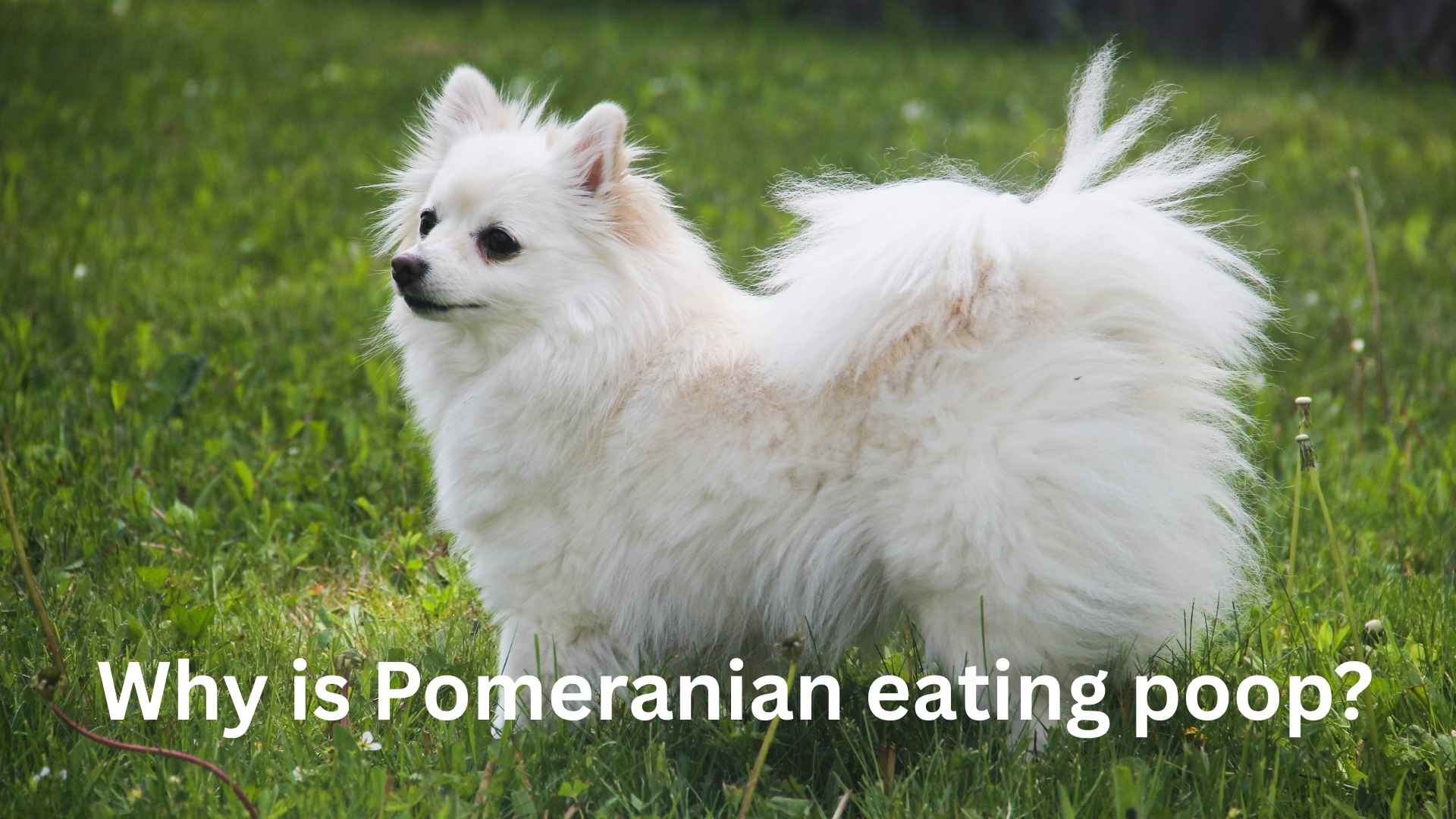
This habit, called coprophagia, can be caused by boredom, anxiety, or a nutritional deficiency. Ensure they are on a high-quality, veterinary-approved diet and keep the yard clean immediately after they go.
You may also like
Build the Perfect Care Routine for Your Pomeranian
Select your Pom’s age, coat type, and activity level to instantly get a custom care checklist — it’s fast, free, and made with love!
Give your Pom the daily care they truly deserve.