
How Big Do Pomeranians Get? The Definitive 2026 Guide to Size, Growth, and Standards

Lateef Bhatti
Author
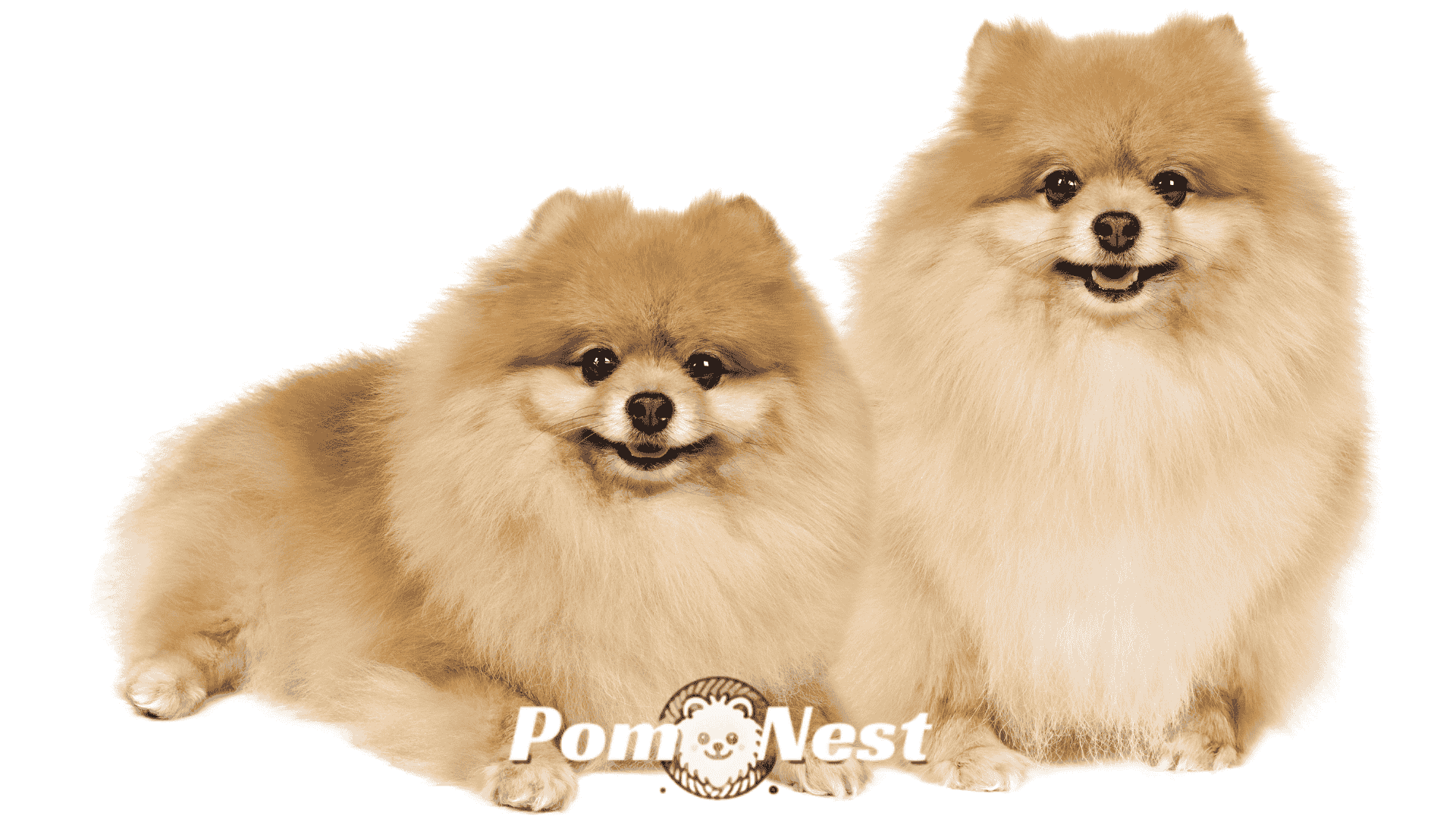
A full-grown Pomeranian is a tiny dog that usually weighs between 3 and 7 pounds and stands about 8 to 11 inches tall. If you are wondering how big do Pomeranians get, most stay small enough to fit in your lap, but some “Throwback” Poms can grow larger, reaching up to 14 pounds. To keep them healthy, make sure they stay at a good weight where you can easily feel their ribs under all that fluffy fur.

The Genetic Blueprint: Why Size Varies So Much
What Is the Official Pomeranian Size Standard?
According to major kennel clubs like the AKC, a full-grown Pomeranian should weigh between 3 and 7 pounds. For show-quality dogs, the ideal weight is 4 to 6 pounds, ensuring they remain a true toy breed while maintaining structural integrity.
Table of Contents
ToggleThe American Kennel Club (AKC) and the UK Kennel Club are strict about these boundaries. If you plan to show your dog, any weight over 7 pounds is typically a disqualification. However, for a household pet, a few extra pounds often translate to a hardier dog that is less prone to the fragility-related injuries common in ultra-tiny “micro” variants.
How Do Global Standards Compare?
The Fédération Cynologique Internationale (FCI), which governs much of Europe, classifies the Pomeranian as the “Zwergspitz.” Their standard focuses more on height than weight, allowing for dogs up to 24 centimeters (about 9.5 inches).
Interestingly, the UK Kennel Club suggests that females should be slightly larger than males. This is a practical nod to the biological reality that slightly larger females tend to be more successful and safer during the whelping (birthing) process.
The Lifecycle of a Puffball: Growth Milestones
How Fast Do Pomeranians Grow in the First Year?
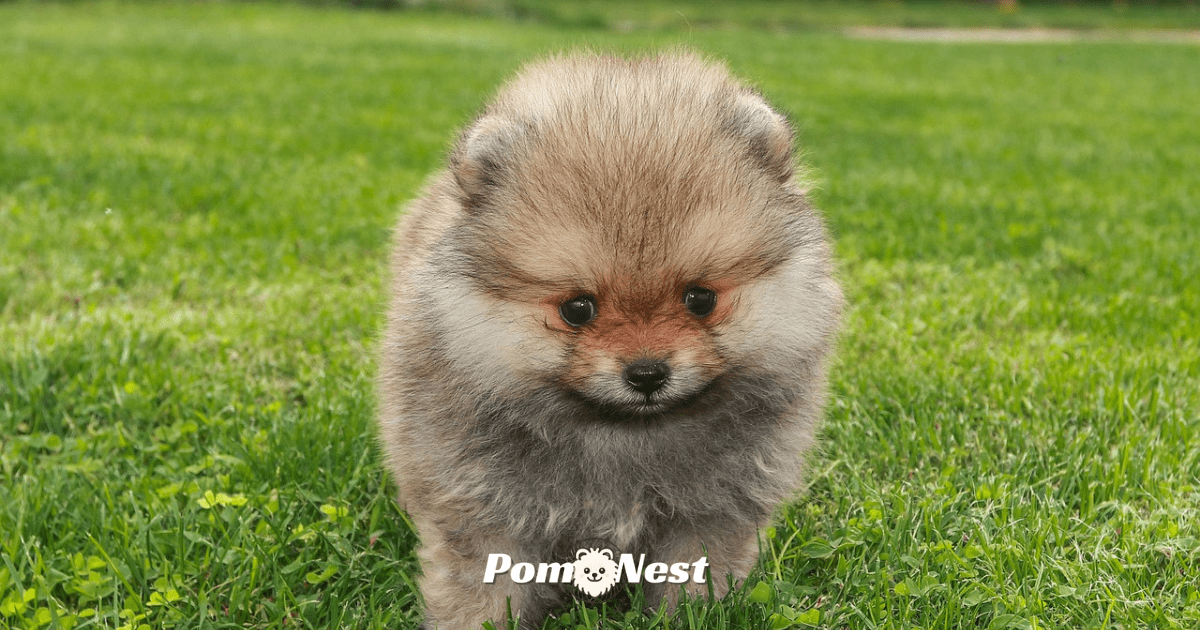
Pomeranians achieve approximately 50% of their adult weight by three months and reach their full skeletal height by 6 to 9 months. The final months of the first year are primarily for “filling out” as they develop muscle and their adult double coat.
Watching a Pom grow is like watching a time-lapse video. They start as “potatoes” and rapidly evolve. By the time they hit the six-month mark, you are looking at about 80-90% of their final size. If your 6-month-old pup is already 6 pounds, don’t expect them to stay under the 7-pound limit; they are likely headed for “Throwback” territory.
The “Puppy Uglies” Stage
Between 4 and 6 months, Pomeranians go through a phase affectionately known as the “Puppy Uglies.” During this time, they lose their puppy fluff, and their adult coat hasn’t fully come in. They often look gangly, thin, and disproportionate. Owners often worry their dog is underweight during this stage, but it is a natural part of their growth cycle.
Monthly Weight Projection
- Birth to 2 Weeks: Just a few ounces; they double their birth weight in the first week.
- 2 Months: Usually 1 to 2.5 pounds.
- 4 Months: 2.5 to 4.5 pounds. This is often the most accurate predictor of final size (double the 4-month weight and add or subtract a half-pound).
- 6 Months: 3 to 6 pounds.
- 12 Months: Adult weight achieved.
The "Throwback" Phenomenon: A Glimpse into the Past

Why Is My Pomeranian So Big?
If your Pomeranian exceeds 10–14 pounds, they are likely a “Throwback Pomeranian,” reflecting the genetics of their larger Spitz ancestors. Other factors include overfeeding (obesity) or “backyard” breeding practices where size standards are ignored.
The Owner’s Perspective: Living with a “Throwback” is often a blessing in disguise. While they won’t win ribbons at Westminster, these larger Poms are often sturdier, better with children, and less prone to the “collapsing trachea” issues that plague smaller individuals. You’ll notice their bark is deeper, and they can usually handle a longer hike than their 3-pound counterparts.
The Icelandic Sled Dog Heritage
We often forget that Pomeranians are essentially “shrunken” sled dogs. They share DNA with the Samoyed and the Alaskan Malamute. Occasionally, these ancient genes “throw back” to the original size of the German Spitz. These dogs aren’t “bad” Poms; they are just historical echoes.
Differentiating Between “Large” and “Overweight”
A Throwback Pom will have a larger bone structure—longer legs, a broader chest, and a wider skull. An overweight Pom will have a standard small frame but will lack a visible waistline. It is vital to distinguish between the two for health reasons.
Marketing Myths: Teacups, Micros, and Minis
Are “Teacup” or “Mini” Pomeranians a Real Breed?
No, “Teacup” and “Mini” are marketing terms, not recognized breeds. These dogs are usually the runts of the litter or the result of breeding two undersized, often unhealthy dogs to meet the demand for “micro” pets.
The Hidden Gem: Did you know that breeding for “teacup” sizes often leads to Open Fontanels? Similar to a human baby’s soft spot, some ultra-tiny Poms never fully close their skull bones, making even a small bump to the head potentially fatal. Veterinary experts strongly advise staying within the 3–7 pound range for a longer, healthier life.
The Cost of “Micro” Sizes
The internal organs of a 2-pound dog are under immense pressure to function. These dogs often suffer from “Liver Shunts,” where the liver cannot properly filter blood because the vessels are too small or malformed.
Ethical Breeding vs. Boutique Trends
Ethical breeders aim for the 4–6 pound “sweet spot.” Boutique breeders who advertise “pocket-sized” pups often charge triple the price for a dog that may have a significantly shorter lifespan. Always ask to see the parents; if both parents are 3 pounds, the puppies are at high risk for genetic fragility.
Health, Genetics, and the "Big" Impact of Size
Your Pom’s size isn’t just about the harness you buy; it dictates their medical roadmap.
Common Orthopedic Issues
- Luxating Patella: This is the #1 orthopedic issue in Poms. When a dog is bred to be too small, the groove in the knee is often too shallow to hold the kneecap.
- Collapsed Trachea: Small Poms have fragile cartilage rings in their windpipes. If they pull on a collar, these rings can flatten, leading to a chronic “honking” cough.
Metabolic and Eye Health
- Hypoglycemia: In dogs under 4 pounds, blood sugar can drop dangerously low within hours if they skip a meal.
- Genetic Screenings: Responsible breeders will provide OFA (Orthopedic Foundation for Animals) clearances for knees and CERF (Canine Eye Registration Foundation) certifications for eyes.
Expert Note: Consult with a veterinarian for a personalized health plan, especially if your Pomeranian is on the extreme end of the size spectrum (under 3 lbs or over 12 lbs).
Living with a Tiny Titan: Practical Advice
How Can You Keep a Small Pomeranian Safe?
Because of their size, Poms are susceptible to “Big Dog Aggression” (from others) and “High-Rise Syndrome” (injuries from jumping). You must be their guardian in a world designed for much larger creatures.
The Danger of “Eagle Eyes”
In rural or even suburban areas, hawks and owls are a genuine threat to a 4-pound Pomeranian. We often recommend “coyote vests” or constant supervision when they are in the backyard. To a bird of prey, a Pomeranian looks like a rabbit.
Navigating the Home Safely
Standard stairs can be hard on a Pomeranian’s joints over time. Many owners use “pet ramps” for couches and beds. Furthermore, you must teach children that a Pom is not a stuffed toy; a drop from chest height can result in broken ribs or legs.
Size Comparison and Tools
To help you visualize where your pup stands, use this table to compare the Pomeranian against its closest toy-breed rivals.

The Pomeranian Grooming Checklist
Regardless of size, that coat needs maintenance. If you don’t groom, the fur mats, which pull on the skin and can actually restrict movement.
- Slicker Brush: To remove loose undercoat.
- Greyhound Comb: To check for “hidden” mats behind the ears and in the “pants.”
- Detangling Spray: Never brush a dry Pom coat; it causes breakage.
High-Velocity Dryer: To “blow out” the coat after a bath, ensuring no moisture is trapped against the skin.
The Owner's Perspective: The "Small Dog" Lifestyle
We call them “Velcro dogs.” A Pomeranian doesn’t just live in your house; they live on your feet. Their size makes them the ultimate companion for apartment living, but their Spitz heritage means they are surprisingly vocal.
The Barking Factor
Pomeranians are excellent watchdogs. They are acutely aware of their surroundings. However, because they are small, they often feel the need to “act big” by barking at every leaf that blows past the window. Training them to “quiet” is a size-related necessity to keep your neighbors happy.
Exercise Requirements
Don’t let the size fool you. Poms are active. They love “Zoomies” and short walks. However, a 15-minute walk for you is like a 5-mile run for them. Monitor their breathing, especially in hot weather, as their thick coats make them prone to overheating.
Nutrition and Weight Management
How Much Should a Pomeranian Eat?
A 5-pound adult Pomeranian typically requires between 150 and 200 calories per day, depending on their activity level. Because their stomachs are tiny, it is often better to feed them two or three small meals rather than one large one.
The Hand Test for Weight
Because of their profuse double coat, Poms are the “masters of disguise” in the canine world. A Pom can gain 2 pounds—which is 30% of their body weight—and look exactly the same.
The Hidden Gem: Poms have a unique “Spitz-personality” quirk where they often become “picky eaters” to manipulate their owners into giving them calorie-dense human scraps. Don’t fall for it! A single ounce of cheddar cheese for a Pom is the caloric equivalent of a human eating two double cheeseburgers.
Special Diets for Senior Poms
As they age, their metabolism slows. Senior Poms (7+ years) often need “Weight Management” formulas. Excess weight puts undue stress on their heart and those delicate patellas. Keeping your Pom lean is the #1 way to extend their lifespan.
The "Fluff" Factor: Why They Look Bigger Than They Are

The Pomeranian’s coat is a biological marvel. It consists of a soft, dense undercoat and a harsher, long-textured outer coat. This “stand-off” coat is what gives them their circular appearance.
The Seasonal “Blowout”
Twice a year, Poms “blow” their undercoat. During this time, they may actually look smaller because they are losing so much volume. It’s important to brush daily during these weeks to prevent the dead hair from matting into the new growth.
Standard Grooming Cuts
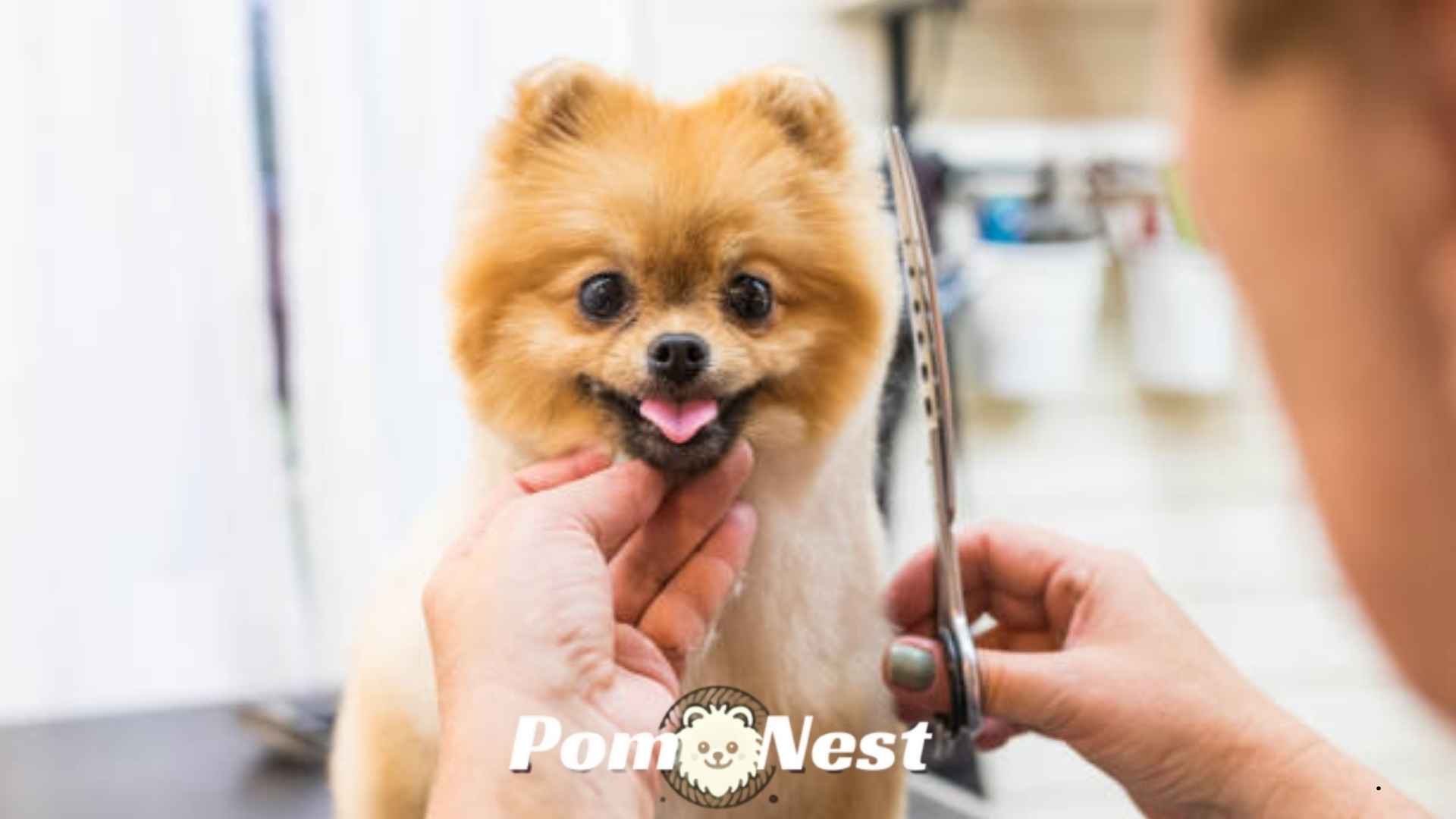
While many owners love the “Teddy Bear” cut, experts warn against shaving a Pomeranian. Their double coat acts as insulation against both heat and cold. Shaving it can ruin the texture permanently and leave their skin vulnerable to “Black Skin Disease” (Alopecia X).
The Social Pomeranian: Interaction and Size
How Do Pomeranians React to Visitors?
Pomeranians are generally friendly but can be “one-person” dogs. Due to their small size, they may be wary of strangers who reach over their heads, which can be perceived as a predatory gesture.
The “Small Dog Syndrome” Myth
Often, what people call “Small Dog Syndrome” is actually just fear. When you are 5 pounds and a 200-pound human reaches for you, it’s scary! Socializing your Pom from a young age—exposing them to different heights, sounds, and people—ensures they grow up confident rather than “nippy.”
Living with Other Pets
Pomeranians usually get along well with cats (who are often larger than them!). However, be cautious with large-breed dogs. A “playful swat” from a Labrador can cause serious injury to a Pomeranian. Always supervise multi-pet interactions.
Summary: A Big Heart in a Small Package
In the world of the Pomeranian, size is a metric, but spirit is a constant. Whether you have a 3-pound “pocket” Pom or a 15-pound “Throwback” powerhouse, you have a dog that believes it is a lion. Treat them with the care their small frame requires, but respect the giant heart beating underneath all that fluff.
By understanding the nuances of their growth, the reality of “teacup” marketing, and the heritage of the “Throwback,” you are prepared to give your Pomeranian a healthy, happy life. Focus on their health, exercise, and wagging confidence—those matter more than the tape measure ever will.
People also ask:
A standard adult Pomeranian weighs between 3 and 7 pounds and stands 8 to 11 inches tall. Anything significantly larger may be a “Throwback” or a mix.
Pomeranians are strictly classified as a “Toy” breed (Small/Extra-Small). Even the larger Throwback versions rarely reach the “Medium” classification used for breeds like Beagles.
The most reliable method is to look at the parents. If that’s not possible, doubling the weight of the puppy at 4 months of age usually gives a close estimate of their final adult weight.
Not necessarily. If the dog has a large frame and long legs, 10 pounds might be their healthy “Throwback” weight. However, if they have a small frame and you cannot feel their ribs, they may be obese.
They usually stop growing in height by 6 to 8 months, but they will continue to gain weight and “broaden” until they are about 12 to 15 months old.
A Throwback is a purebred Pomeranian that grows larger than the breed standard (often 10–14 lbs), reaching a size similar to their ancestors, the German Spitz.
This is likely the “Puppy Uglies,” occurring between 4 and 6 months. It’s a normal transition from puppy fur to adult coat and is often accompanied by a growth spurt.
You may also like




Build the Perfect Care Routine for Your Pomeranian
Select your Pom’s age, coat type, and activity level to instantly get a custom care checklist — it’s fast, free, and made with love!
Give your Pom the daily care they truly deserve.