
Pomeranian Dog Black and White – The Striking Parti Color Pom

Lateef Bhatti
Author
The Pomeranian dog black and white is known as Parti Pomeranian which a striking variety with a white base coat decorated with vibrant black patches. Like other Pomeranians, they’re rare and demand a playful disposition. Their attractive marks, loyal nature, and show-value also add to the demand. Their lively personality and beautiful double coat is a result of proper grooming, diet, and care.
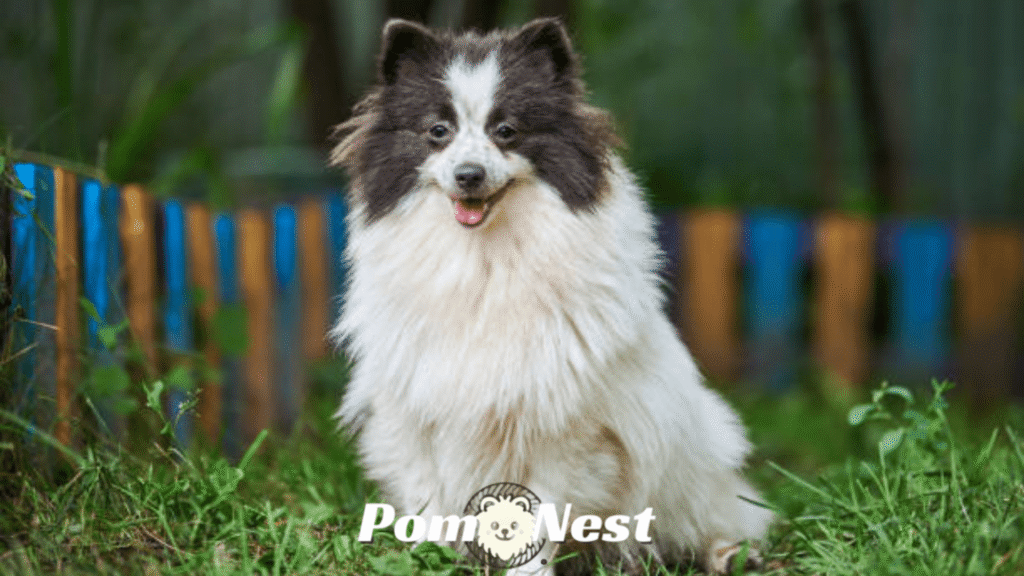
Are you captivated by the tiny fluffball that looks like a miniature panda or a snowy landscape dotted with ink? The pomeranian dog black and white (scientifically known as a “Parti-color” Pomeranian) is a striking genetic masterpiece that combines the classic spitz-dog intelligence with a high-contrast aesthetic.
Table of Contents
ToggleFar from being a separate breed, these “Parti” Poms are purebred dynamos. Whether you are a prospective owner or a long-time enthusiast, this guide provides the veterinary-grade insights and “owner-perspective” nuances you need to master life with this monochrome marvel.
What defines a black and white Parti Pomeranian?
A black and white Pomeranian is a purebred dog characterized by a white base coat with distinct black patches covering at least 50% of the body. This specific pattern is governed by the recessive piebald gene (S-locus), which interrupts the solid coat color to create the striking “Parti” (partitioned) look recognized by major kennel clubs like the AKC.
Critical Breed Insights: The Essential Facts

Are black and white Pomeranians rare?
Yes, they are rarer than solid orange or sable Poms because the “Parti” pattern requires both parents to carry the specific recessive piebald gene. While they aren’t “one-of-a-kind” rare, finding a specimen with perfectly symmetrical black “eyeliner” and a clean white blaze requires searching for specialized preservation breeders.
How much does a black and white Pomeranian cost?
In 2026, expect to pay between $1,500 and $4,500 for a well-bred puppy. The price fluctuates based on the symmetry of the markings, the dog’s pedigree (AKC/CKC status), and whether the puppy is a standard size (3–7 lbs) or the highly-coveted “Teacup” variety.
Do black and white Poms change color as they age?
While the white base stays white, the black patches often undergo a transition during the “Puppy Uglies.” A puppy that looks charcoal or “dusty” at 8 weeks will usually develop a rich, jet-black adult guard coat by 12 to 14 months, provided the genetics are strong.
Are they harder to groom than solid colors?
The grooming effort is the same, but the visibility of the mess is higher. Dirt, mud, and tear stains are immediately visible on the white portions of a pomeranian dog black and white, requiring more frequent spot-cleaning than a darker sable or chocolate Pom.
Are black and white Poms more aggressive?
Coat color has zero correlation with temperament. Their personality is shaped by early socialization and the temperament of the parents; however, a “big dog in a small body” confidence is a hallmark of the entire Pomeranian breed regardless of their coat.
3 Hidden Gems: What Only the Experts Know
- The “Halo” Ticking Phenomenon: Many black and white Poms have hidden “ticking” genes. These are tiny black freckles that emerge on the white skin and fur as the dog matures. If you want a “clean” stark white, you must look for “clear-white” lineage.
- The Primitive Spitz Connection: The black and white pattern is a throwback to the breed’s Nordic ancestors. While the Victorian era favored orange, the “Parti” pattern is actually one of the most historically authentic looks for a spitz-type dog.
- The “Optical Illusion” Size: Because of the high-contrast patches, black and white Poms often look slightly larger or “busier” than solid-colored Poms of the exact same weight. This makes them look particularly impressive in the show ring or in photography.
Structural Comparison: Genetics and Size
To understand what makes the pomeranian dog black and white unique, we must look at how they stack up against the “Standard” orange Pom.
| Trait | Standard Pomeranian | Black & White Parti Pom |
|---|---|---|
|
Primary Gene |
Dominant Agouti/Sable
|
Recessive Piebald (S-Locus) |
|
Weight
|
3–7 lbs
|
3–7 lbs (Standard) |
|
Base Color
|
Orange, Red, or Cream
|
Always White (50%+) |
|
Markings
|
Usually Solid or Shaded
|
Black Patches/Spots |
|
Eye Color
|
Dark Brown
|
Dark Brown (Blue is a fault) |
The "Owner’s Perspective": The Reality of Living with a "Panda Pom"
Living with a pomeranian dog black and white is like living with a sentient, high-energy tuxedo.
- The “Velcro” Shadow: This isn’t a dog that sits in the corner. They will sit on your feet while you brush your teeth and follow you from room to room like a monochrome shadow.
- The Voice of a Giant: They don’t realize they weigh five pounds. A Parti Pom will alert you to a delivery driver three blocks away. Their bark is sharp and persistent.
- The Dual-Threat Shedding: You will find white fluff on your black clothes and black fluff on your white sofa. You cannot hide from the shedding; you can only manage it.
How do you maintain a black and white coat?
Maintaining the “Panda” look requires a dedicated grooming kit and a 3-times-a-week brushing schedule to prevent the dense undercoat from felting. Because the white fur is prone to staining from saliva and environmental allergens, the “Direct Answer” is: consistency over intensity.
The Essential Grooming Kit Checklist:
- Slicker Brush: Essential for breaking up the “packed” undercoat.
- Metal Greyhound Comb: To find hidden mats behind the ears and “trousers.”
- Whitening Shampoo: Use a high-quality, purple-toned shampoo to keep white patches crisp without bleaching the black.
- Tear Stain Remover: Daily wiping is required to keep the white “blaze” on the face from turning rusty brown.
- Leave-in Conditioner: To prevent the long guard hairs from becoming brittle and snapping.
Critical Health & Genetics: Protecting Your Investment
While generally healthy, the pomeranian dog black and white faces the same orthopedic and respiratory challenges as all toy breeds.
Safety First: Never buy a puppy without seeing the parents’ OFA (Orthopedic Foundation for Animals) clearances for patellar luxation. Consult with a veterinarian for a personalized health plan.
- Luxating Patella: This is the #1 issue. The kneecap slides out of its groove. Keeping your Pom at a lean weight is the best preventative measure.
- Tracheal Collapse: Never use a traditional collar for walks. A harness is mandatory to prevent the cartilage in their throat from weakening.
- Reverse Sneezing: Often mistaken for choking, this is common in Poms. It sounds scary but is usually harmless.
- Dental Crowding: Their tiny mouths often cannot accommodate all 42 adult teeth, leading to early periodontal disease. Professional cleanings are a must.
Training and Intelligence: The "Fox-Like" Mind
Don’t let the “toy” label fool you. The pomeranian dog black and white is a descendant of large sled dogs. They are highly trainable but possess a streak of “What’s in it for me?” stubbornness.
3 Rules for Training a Parti Pom:
- Short Bursts: Train for 5 minutes, 3 times a day. Their attention spans are as tiny as their paws.
- Positive Reinforcement Only: They are sensitive. A harsh tone will make them “shut down.” Use high-value treats (tiny bits of boiled chicken).
- Early Socialization: Because they can be “bossy,” introduce your black and white puppy to as many different people and dogs as possible before 16 weeks to prevent “Small Dog Syndrome.”
Is a black and white Pomeranian right for you?
The black and white Pomeranian is the ultimate companion for someone who wants the elegance of a show dog with the personality of a circus performer. They thrive in apartments and houses alike, provided they aren’t left alone for long periods. If you can commit to the grooming and the “big dog” personality, you will have a miniature masterpiece by your side for the next 15 years.
Final Thoughts on Parti Pomeranians
The pomeranian dog black and white is the ultimate companion for an owner who appreciates the elegance of a show-stopping coat paired with the personality of a bold adventurer. If you can commit to the grooming rigors and the “big dog” spirit in a five-pound body, you will find no more loyal partner.
Want to read more:
- Pomeranian.org – What is a Parti Pomeranian?
- PetPom – Parti-Color Pomeranians
FAQs
A black and white Pomeranian, being a rare and striking combination, typically ranges from $1,500 to $3,500, depending on pedigree and breeder reputation.
Blue and sable Pomeranians are considered the rarest colors due to their unique genetics and limited availability.
Yes, Pomeranians are affectionate, playful, and alert, making them excellent companions for families, especially with older children.
Yes, black Pomeranians often cost more than standard colors because their deep, even coat is less common and highly sought after.
A typical Pomeranian puppy ranges from $1,000 to $3,000, with prices varying by color, lineage, and breeder quality.
You may also like
Build the Perfect Care Routine for Your Pomeranian
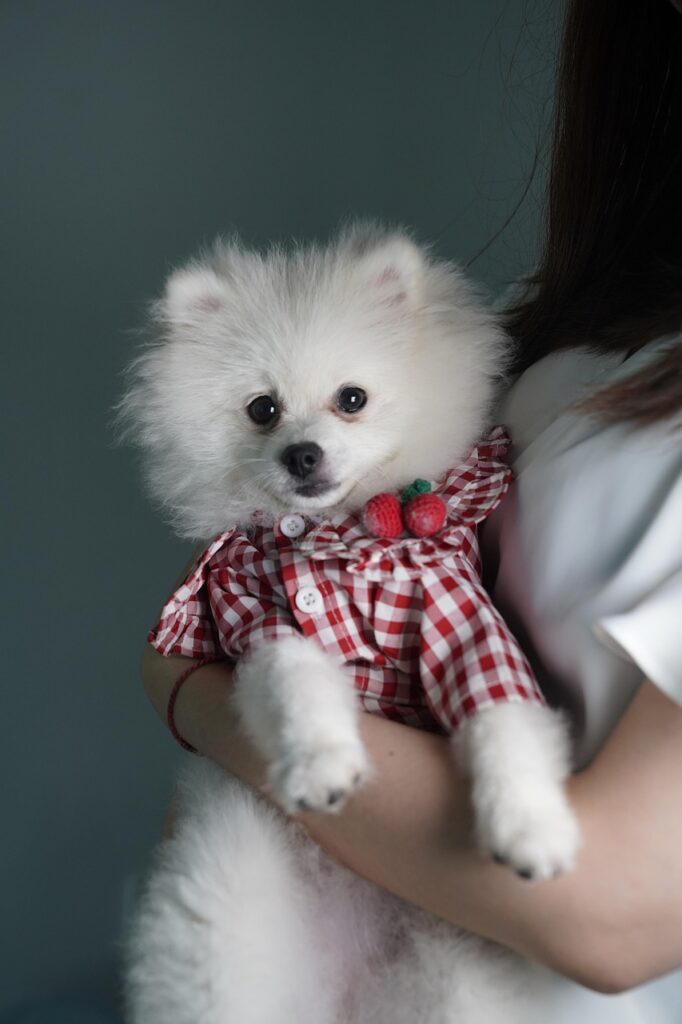
Select your Pom’s age, coat type, and activity level to instantly get a custom care checklist — it’s fast, free, and made with love!
Give your Pom the daily care they truly deserve.