
Pomeranian Pregnancy Explained – Duration, Care & Stages

Lateef Bhatti
Author
In general, Pomeranians are pregnant for about 58–65 days. Most of the time, it is 63 days. You will also notice different symptoms changing weekly. In the early stages there are signs of a pregnancy, then it moves to nesting and finally, labor. To ensure a healthy pregnancy, the mother will need to be fed well, get light exercise, and have a vet check up regularly. Knowing “how long is a Pomeranian pregnant” assists owners in preparing for whelping, monitoring the health of the Pomeranian, and providing a smooth delivery for the mother and her puppies.
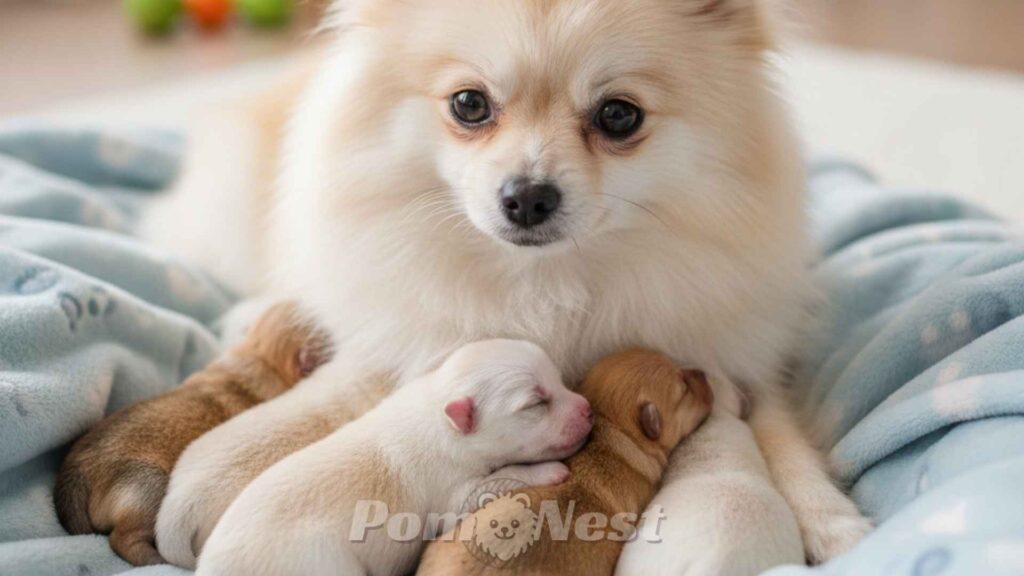
By understanding how long a Pomeranian is pregnant, you can better prepare for each step in her journey to motherhood. Like all toy breeds, Pomeranians must be cared for gently. During the pregnancy, a Pomeranian must be placed on a balanced diet, and her pregnancy must be monitored regularly. Understanding each step from mating to giving birth allows you to identify early signs and support your Pom during her pregnancy.
Table of Contents
ToggleAlso, keep these facts in mind.
Even though Pomeranians are small, they still carry out a pregnancy like any other breed. A Pomeranian’s pregnancy lasts on average 58 to 65 days, or about nine weeks. This can slightly differ, depending on her age, health, and how many puppies she is carrying.
During the 58 to 65 days, a dog’s pregnancy goes through four key stages. After mating, the dog’s embryos are developed, the puppies are grown, and the whelping process is prepped. Each week of pregnancy, a change occurs in the dog’s body or behavior.
The average Pomeranian is known to carry two to five puppies. Pregnancy for Pomeranians tends to run smaller, meaning they carry less. This is due to how small they are as a breed. Using a Pomeranian gestation calendar to keep track of pregnancy progress allows owners to more accurately predict delivery and identify complications early.
Pomeranian Breeding Information

The first thing you need to know is how to handle a Pomeranian’s breeding cycle, and how to take the appropriate actions to care for the dog. Poms are safe to breed once they have become adults for the first time, which usually is between 8 and 12 months of age. However, many responsible breeders wait until the female is 18 months old to breed her as a Pomeranian’s body and skeletal structure takes time to become fully developed, and is fully mature and formed by 2 years of age.
The female dog heat cycle is 6 months, and during the second week of the cycle is the best time for mating. At this time, the female dog is more receptive to the mating and her eggs are ready for fertilization.
When it comes to breeding very small dog breeds, the breeding ethics and morals become much more important to handle, as the overbreeding of the very small dogs can become very harmful. Always supervise the overbreeding cycle to make sure the dog is healthy and in safe breeding conditions.
Pomeranian Mating Age
Mating age for Pomeranians is generally between 1.5 years to 5 years old. Pomeranians become pregnant at a younger age and are more likely to have difficulty during pregnancy, and at the time of labor the older dogs will have complications during it.
In contrast, male dogs are capable of reproducing a little sooner, anywhere from 8 to 10 months of age, but they are most fertile from 1 to 4 years of age. To uphold ethical breeding, one needs to pay attention to their overall health, energy, and quality of sperm.
seudo-Pregnancy (False Pregnancy)

In the case of a Pomeranian, a false pregnancy is a condition where the dog gives the owner all the indicators of being pregnant and yet is not. This is when the hormonal changes after cycles of the heat tend to mimic a pregnant state.
Symptoms like a Pomeranian in 4 to 6 weeks after the heat cycle are swollen nipples, nesting, and milk production.
Generally, false pregnancies do not require medical attention. However, a vet needs to be consulted to rule out a real pregnancy and any other serious health problems.
How to Identify Pregnancy Symptoms in Your Pomeranian
Identifying pregnancy signs in your Pomeranian is important for pregnancy care. A behavior change is often the first observable sign. Your Pomeranian may appear quieter, more affectionate, or spend more time resting.
Weak physical signs of pregnancy begin to show 3 to 4 weeks after mating. Observing enlarged, darkened nipples, little weight gain, or a firm abdomen is common. Some dogs may even experience a slight change in appetite.
You may also want to visit the vet after day 25 for a veterinary blood test or ultrasound to confirm pregnancy. These are safe diagnostic methods and will allow you to pencil in her pregnancy to ensure a healthy delivery.
When You Think Your Pomeranian is Pregnant
When you think your Pomeranian is pregnant, vet visits become essential. A vet will confirm the pregnancy, and your dog’s age in weeks, check her overall health, and estimate how long a Pomeranian is pregnant based on physical and ultrasound examinations.
Checkups can spot dangers like infections, deficiencies, and risks before they get serious and costly. Your vet will help you create a Pomeranian gestation calendar and advise you on how to care for her during the nine weeks.
Your vet will set you up with regular appointments throughout the pregnancy to check on her weight, heart rate, and the growth of the puppies to make sure everything is on track. Keeping in regular contact this way will help make the entire pregnancy as safe and healthy as possible for your Pom.
Symptoms of Pregnant Pomeranians

The most common symptoms of a pregnant Pomeranian are as follows:
A slight weight gain during the first few weeks of pregnancy.
Puppies cause her nipples to grow larger and darker.
Less activity, or more resting is observed.
Appetite is more and can be observed after the first few weeks.
Some of her moods will change, and she will likely be more affectionate or clingy.
A firmer, slightly bulging stomach will develop after 4-5 weeks.
In the later stages, puppies will cause clear discharge from the vagina.
Puppies will cause nesting behavior – blank and toy gathering.
Prior to labor, she will cause a slight temperature drop.
Puppy movement will be very noticeable after 6 weeks.
These symptoms are usually seen in a gradual manner and can be different from one Pomeranian to the next.
How Long Does Pomeranian Pregnancy Last?
Average Pregnancy Duration: 58 to 65 days after conception.
Smaller breeds, such as Pomeranians, typically have shorter pregnancies than larger breeds.
These also depend on the age and health of the dog as well as the size of the litter.
Pomeranian Gestation Calendar
Weeks 1–2: Early development of embryos, fertilization occurs.
Week 3: Embryos implant in the uterus. Early pregnancy symptoms can be seen.
Week 4: Embryos become more pronounced and mother begins to grow a slight belly.
Weeks 5–6: Embryos become more pronounced and mother begins to grow a slight belly. Increase in appetite with signs of nesting.
Week 7: Puppies develop distinct features and grow in hair.
Week 8: All development reaches full term and mother becomes restive.
Week 9: Begins pre-birthing signs. Temperature drops and signs of whelping appear.
Using a Pomeranian gestation calendar is useful to track the dog’s development and whelping progress in order to spot complications early on.
How Many Babies Do Pomeranians Have?
Because Pomeranians are a toy dog breed, they are expected to have only a few babies. A Pomeranian will have around 1-5 babies. First-time Pomeranian mothers may only have 1 to 2 babies. If a Pomeranian mother is well-nourished, she may have a few more.
If a female mates with more than one male dog, she can have multi-sired litters, meaning each puppy can have a different father. This is fine and normal in the dog breeding world. It’s helpful to have an idea of the expected size of the litter for whelping and puppy care.
Pregnant Pomeranian Diet

The diet of a pregnant dog is key to the development of the puppies, so she should be on a balanced diet. You should be providing Pomeranians with high-quality and nutrient-rich dog food. Make sure to provide food that is high in protein and fat as well. This is a dog’s pregnancy and will require more energy.
You should provide a few small meals. the growing puppies will take a lot of space in her abdomen, and large meals will be uncomfortable for the mother. You can serve puppy food, which is quite different in nutrients, and can be served to a pregnant Pomeranian without overfeeding her. Avoid human foods that are toxic to dogs, such as chocolate, onions, or grapes.
In the last weeks of a dog’s pregnancy, the addition of calcium supplements may be necessary so the developing puppies can grow strong bones. This will also help prevent the mother dog from developing hypocalcemia. Just like with anything new in the diet, this should be discussed with the veterinarian first.
Weight Gain in Pregnant Pomeranians
Pomeranians, like any other dog, will gain weight while pregnant. This is a natural part of the pregnancy process, as the body is accommodating the growing puppies. For small breeds, Pomeranians included, the weight gain is usually around 10–20%. This gain is based on the dog’s weight prior to pregnancy.
Weight gain will be noticeable around 4 to 5 weeks of gestation. This is the time to closely monitor weight gain weekly, making sure the Pomeranian is gaining adequate weight, not too quickly or too slowly. Sudden weight drops and excessive weight gain are signs of possible dangerous health issues.
This is why it is important to ensure your Pomeranian is still maintained on a balanced diet with the prescribed portion sizes and pregnant Pomeranian diet changes. Complications in delivery and other risks are possible when a Pomeranian delivery is overlaid.
Supplements for Pregnant Pomeranians
Supplements may also be necessary when a Pomeranian is pregnant. This is to help nourish both the mother and the growing puppies, as well as for overall health maintenance. For the mother’s health and to prevent eclampsia, calcium supplements for dogs will help in the later stages of pregnancy as well.
Quality puppy food is a source of necessary vitamins and minerals. Some breeders even recommend including omega 3 fatty acids to help with brain development in puppies.
Always check with your vet before giving puppies any type of supplements. An excess of any given supplement can be unhealthy. Having a vet’s advice can help ensure your dog and her puppies remain healthy during gestation.
Caring For Your Pregnant Pomeranian

When it comes to your pregnant Pomeranian, care, patience, and a nice atmosphere are key. Your dog will require a quiet and secure area, away from all activity, to rest after and recover from her daily tasks. You will also need to gently and calmly monitor her to learn and understand any behavior changes that can credit discomfort and distress.
Pregnant Pomeranian Exercise
Getting her to move is still necessary. Short and gentle walks along with easy play are ideal, but stay away from any activity that is too harsh and will cause stress to her and her puppies.
Comfort
Create a den with soft cushions and in a quiet zone. Pomeranians are also known to show nesting behavior. It is natural if she rearranges her bedding and tries to find quiet places. This will help minimize her stress during whelping.
Pomeranian Pregnancy Week by Week
Pomeranians can be tracked via a week by week system. This ensures that all her needs are catered to and she stays healthy along with her puppies.
Pomeranian Pregnancy Day 1:
The first day means conception has occurred. The fertilized eggs are dividing and moving towards the uterus. There may not be a change in the dog’s behavior yet. However, early care should be taken by ensuring good nutrition.
Pregnant Pomeranian Symptoms Weeks 1 – 3:
The first three weeks expect the symptoms to be subtle. Your Pomeranian may appear a little tired, eat slightly less, and or have small mood changes. Pregnancy can be confirmed by early veterinary pregnancy tests.
Pomeranian Pregnancy Week 4:
Embryo development will begin to pick up. You may notice an increase in belly size and mild swelling of the nipples. Keep up with the balanced diet for pregnant Pomeranains.
Pomeranian Pregnancy Stages Week 5:
By week five, the puppies’ skeletons are beginning to form. Usually, the appetite will increase and the dog will seek more attention or rest, and may have an increase in rest periods.
Pomeranian Pregnancy Calendar Week 6:
During week six, the puppies will experience exponential increase in growth. The mother will begin nesting and this should be accompanied by gentle belly massages.
Pomeranian Dog Pregnancy Period Week 7:
Puppies are fully formed, and their movements can be felt. The dog’s comfort is of utmost importance, with soft bedding and light exercise in a controlled environment.
Pomeranian Dog Pregnancy Period Week 8:
In the last week before the labor, the mother dog sometimes becomes restless and more protective of her little ones. For little dogs, prepare a whelping box in a cozy, warm, and quiet place.
Week 9 (Day 57 Dog Pregnancy to Day 65):
The big day has finally arrived, and the puppies are ready to be born. Look out for tell tale signs of labor, such as panting, nesting, and a refusal to eat. Remember to keep an atmosphere of peace and calm, and have the vet’s contact ready.
Pomeranian Pregnancy Important Care During This Time:

Provide uninterrupted calm, record her temperature and serve her wholesome meals. Avoid deep stress and extreme handling as you monitor her. Provide fresh water frequently and clean the whelping area as needed.
Pomeranian Pregnancy Care Plan
Having a well-thought-out care plan will keep your Pomeranian healthy and comfortable during her pregnancy and delivery. Planning your care early will minimize last-minute stress and provide a calm and safe space during the birthing process.
Preparing the Birthing Area and Whelping Box
Whelping boxes for small dogs should be placed in a warm and quiet room that is away from noise and foot traffic. Use soft, clean blankets that can be easily washed to line the box. The box should be big enough for your Pomeranian to move around, but small enough for her to feel enclosed and secure.
For the last two weeks of pregnancy, encourage her to explore and rest in this part of the space. This will train her to recognize this area as her safe birthing space.
Pomeranian Whelping Supplies
Prior to labor, assemble all necessary supplies to ensure the Pomeranian giving birth can do so in a safe and sanitary environment. You will need:
– Clean towels and gloves
– Digital thermometer
– A puppy heating pad or a hot water bottle
– A set of clean scissors and some sterilized thread for the umbilical cords
– A notebook for recording the whelping progress
– Vet’s emergency contact
Pomeranian Giving Birth Indications
A day or two before the due date, some signs may help you prepare for a Pomeranian giving birth such as restless behavior, panting, and nesting. One of the best signs a mother is about to start labor is a drop in her normal temperature. Once it is below 99°F (37.2 °C), you can expect labor to begin in the next 24 hours.
Urgent Reasons to Call the Vet
You should contact your vet about laboring Pomeranian having giving birth in the following circumstances:
– You have been observing the mother for more than 2 hours and there are no puppies
– There is green discharge occurring before the first puppy is born
– The mother is in distress or is in unbearable pain
– More than two hours pass between puppies being born
– The mother has a sudden drop in energy and has been contracting
Pomeranian Labor Signs
Labor is made up of three distinct stages: contractions, puppies being born, and then finally the placentas being delivered. During the contractions stage, the Pomeranian may show signs of walking, pacing, or digging. Puppies will be delivered in intervals of 30-60 minutes. The mother will need to remain relaxed and calm and be there to support her in case any complications arise.
Post-Birth Care for Pomeranians
After giving birth, your Pomeranian requires warmth and gentle care to recover. Rest and make sure the area is quiet. Ensure she and the puppies have easy access to food, water, and clean bedding, and remove soiled bedding daily to prevent infection.
Pomeranians should have daily vet check-ups to make sure all the puppies were delivered and the mother is healthy. Offer adjusted food for nursing so she strengthens while nursing.
Pomeranian Care After Whelping Puppies
After the puppies are born, Pomeranians will spend their time the first few days feeding and cleaning the newborns. It is also essential for the mother to continue to eat plenty of good quality food and have enough to drink.
Make sure she is hydrated, for when puppies are born she will need to eat even higher amounts of nourishing food to produce enough milk.

Nursing Rest and Hygiene
Nursing can be tiring for the mother, so make sure your Pomeranian can get enough rest. The ideal temperature for the whelping area is 75–80°F (24–27°C).
Keep the area warm enough but avoid overheating, and be sure to monitor her for signs of mastitis (painful swelling of the breasts) by checking her nipples.
You should also avoid bathing or grooming the mother for at least two weeks. If she needs to be cleaned, only do so in the exposed areas with a warm, damp cloth.
Caring for Newborn Pomeranians
Newborn Pomeranians are small and fragile,so you have to be and fragile,so you need to be gentle and careful. They also need to be warmed and heated up,as they cannot warm up themselves. Either a heating pad on a low and warm blanket is perfect for this.
Allow the mother to nurse the puppies for the first couple of days after the birth. This is crucial, as the mother’s milk contains the needed antibodies for the puppies’ immunity. If the mother is refusing to nurse the puppies, it is fine. Avoid long separations. Try to monitor and weigh each of the puppies to see if they are healthy and gaining required weight appropriate for their age.
If a puppy is feeble or is crying a lot, it may be a sign that she is sick and is in need of immediate medical help. She needs immediate medical help. This small intervention is crucial for the health of the puppy and the growth as well.
Problems After Pomeranian Whelping?
Once a Pomeranian gives birth, it may or may not become a problem. If you notice any unusual behavior, particularly excessive bleeding, decreased appetite, or mental changes, examine the dog for infection or a health problem and take her to the vet immediately.
The dog may also exhibit these symptoms after the Pomeranian gives the birth, leading to lack of or no problems.
False pregnancy in dogs
the dog is gaining unwanted weight in her belly
Exhaustion and weight loos
Newborn puppies crying , refusing to feed, and draining mama’s milk.
Newborn puppies too, crying, and distracting each other.
Exhaustion and weight loss
Prompt vet care can avoid serious problems and help the mother recover and fully take care of the pups.
Final Thoughts on Pomeranian Pregnancy Stages
To best cater to your Pomeranian, knowing her pregnancy stages and duration is essential. From mating to whelping, every week is important to ensure her health and her puppies’ well-being.
Make sure to stay organized, involve your veterinarian, and maintain a relaxed space for an easier pregnancy. Your attentive Pomeranian and her sweet puppies deserve your extra effort.
Read More about dogs pregnancy:
American Kennel Club (AKC) – Expert resources on Pomeranian breeding and care.
The Kennel Club – Official guidance on dog gestation and whelping practices.
PetMD Veterinary Resources– Verified veterinary insights on canine pregnancy stages.
FAQs
Not normally, since most Pomeranians whelp naturally. A C-section may be necessary in cases of dystocia, overly sized puppies, a narrow pelvis, prolonged labor, exhaustion or distress of the dam. Always have a vet plan in place.
Some signs in the 12-48 hours prior to whelping are a drop in rectal temperature, nesting behaviour, restlessness/panting, loss of appetite, clear mucus discharge, or contractions.
First litters in Pomeranians are often small – commonly 1-2 puppies, though averages across breeders range from 1-4. Younger, or first time dams, frequently produce fewer pups than experienced ones.
If labor stalls, the dam keeps contracting without producing a puppy, or there is unexplained pain or bleeding, there may be a retained puppy. A vet can confirm with an X-ray (from about day 55) or ultrasound and will instruct you on what to do.
During the last week of dog pregnancy, we will see nesting behavior, the appetite will lessen, there will be restlessness, the dog will begin to produce milk or colostrum, there will be a drop in body temperature, there will be changes to the dog’s cervix, and the puppies will move a lot and be visible as the dog’s body prepares for active labor.