
Do Pomeranian Dogs Shed? The Complete, No-Fluff Guide Every Pom Owner Needs

Lateef Bhatti
Author
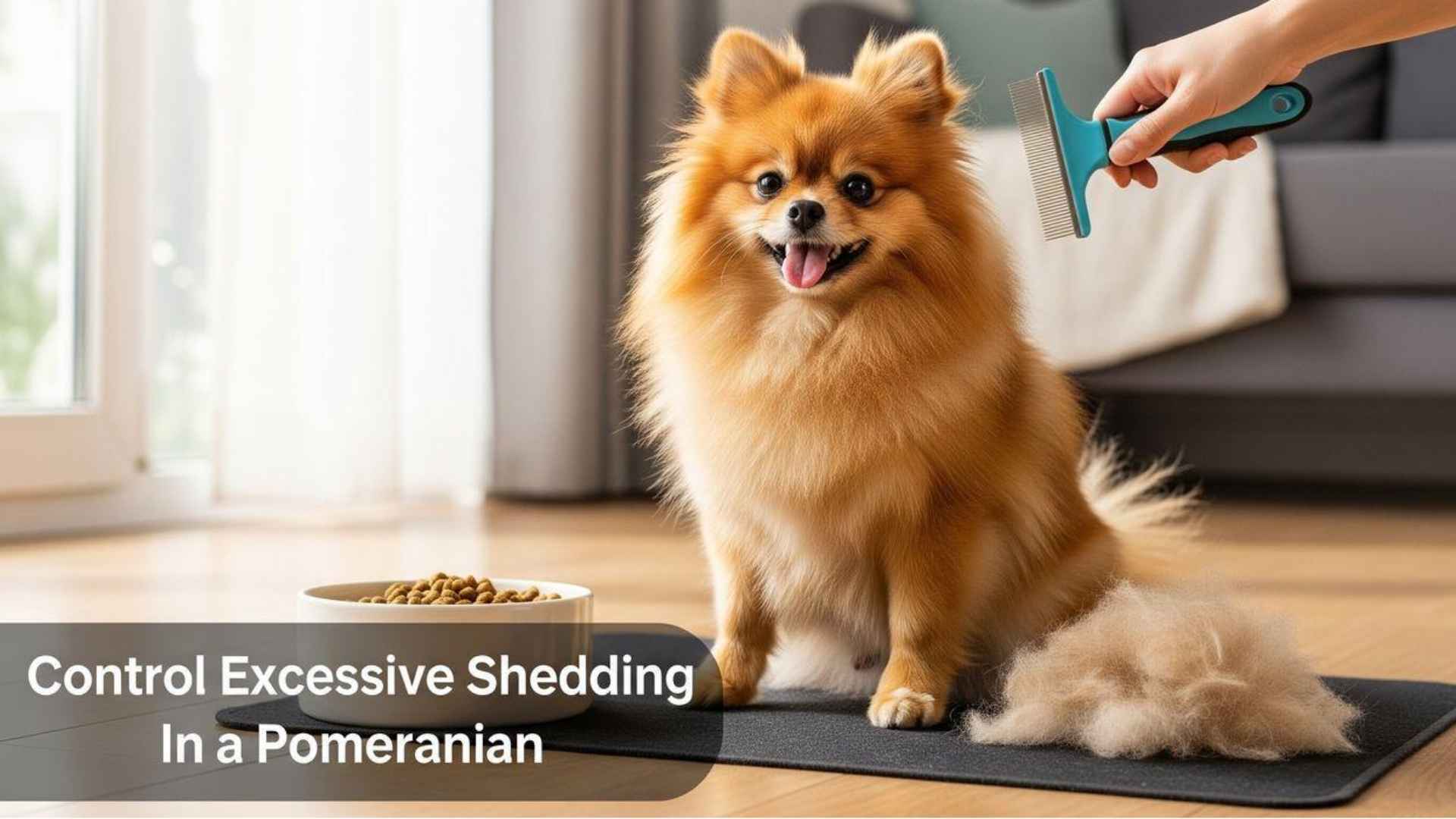
Yes, Pomeranian dogs shed, and they shed a lot more than most people expect when they first bring one home. But shedding doesn’t have to run your life. Once you understand exactly why it happens, when to expect the worst of it, and which tools actually make a difference, managing a Pomeranian’s coat becomes something close to routine.

I want to start with a confession. When I first started working with Pomeranians, I assumed their small size meant their shedding would be minor. I was wrong in the most spectacular way possible. A five-pound Pom can coat a black sofa in a visible layer of fluff within about three days. That experience taught me that understanding Pomeranian shedding before you bring one home is not optional, it’s essential.
Table of Contents
ToggleThis guide covers everything: the biology behind why Pomeranian dogs shed, the seasonal patterns you can actually plan around, the tools worth spending money on, and the red flags that mean shedding has crossed from normal into a vet visit.
Why do Pomeranian dogs shed so much?
Pomeranians shed heavily because of what they are, genetically. They descend from large Nordic working breeds, specifically the Spitz family, that evolved in the harsh climates of northern Europe. Their ancient ancestors needed insulation against bitter cold, and the result was a dense, layered coat that sheds year-round to regulate temperature and replace worn-out hair.
Modern Pomeranians have been miniaturised dramatically over the past 150 years, but their coat genetics remained essentially unchanged. That fluffy cloud you see around a Pom’s neck isn’t decorative. It’s functional insulation that the dog actively sheds and regrows on a continuous cycle.
The biological driver is the anagen-telogen hair cycle. Each individual hair grows, then rests, then falls out to make room for a new one. In Pomeranians, thousands of these cycles run simultaneously across a coat that’s extraordinarily dense for such a small dog. The result is constant shedding that spikes dramatically twice per year.
Key insight
Pomeranian dogs shed because their coat genetics are those of a large cold-weather working breed, packed into a tiny body. The miniaturisation changed their size, not their hair biology.
Understanding the Pomeranian double coat

This is where most shedding confusion comes from. Pomeranians have two completely distinct layers of coat, and they behave differently. Getting this wrong leads to grooming mistakes that make shedding worse.
The undercoat: where most of the shedding happens
The undercoat is a dense, soft, cotton-like layer sitting close to the skin. Its job is thermal regulation, trapping warm air in winter, releasing heat in summer. When Pomeranians shed heavily, the undercoat is almost entirely responsible. It comes out in tufts, mats, and, if you haven’t brushed in a while, enormous compressed sheets that seem impossible for a small dog to produce.
The undercoat is also the reason Pomeranian dog shedding feels different from the shedding you get with single-coated breeds. Single-coated hair falls individually in clean, separate strands. Pom undercoat comes out in clumps and tangles into itself. Left unmanaged for two weeks, it starts to mat against the skin, which traps moisture and can cause skin irritation.
The outer coat: guard hairs that protect and frame
The outer coat is made up of longer, coarser guard hairs that give the Pomeranian its iconic silhouette. These hairs shed too, but much more slowly and individually. You’ll see them on dark clothing, single, straight hairs that embed themselves in fabric. They’re less dramatic than undercoat sheds, but because they’re longer, they’re often more visible on furniture and floors.
One mistake I see repeatedly: people shave their Pomeranian hoping to reduce shedding. Removing the outer coat entirely disrupts the natural insulation system and, in a significant percentage of cases, causes permanent coat damage known as post-clipping alopecia. The guard hairs either grow back incorrectly or fail to grow back at all. A shaved Pom often sheds as much or more, just in shorter, harder-to-vacuum fragments. Never shave a Pomeranian for shedding management.
Warning
Shaving a Pomeranian to control shedding is one of the most common grooming mistakes with this breed. It can permanently damage the coat structure and may not reduce hair on your furniture at all.
When does Pomeranian shedding peak?

If you’re asking whether Pomeranian dogs shed all year, yes, they do. But there are two periods where shedding spikes to a level that owners often describe as alarming the first time they experience it.
Spring blowout: the major shed
Between March and May (for dogs in the Northern Hemisphere), Pomeranians blow their winter undercoat. This is the biggest shed of the year. Over three to six weeks, the dense insulating layer developed over winter exits the coat rapidly. Brushing during this period produces a quantity of fur that seems disproportionate to the dog’s size. Daily brushing is the only way to manage it comfortably, skip a few days and you’re dealing with mats.
Autumn blowout: preparing for winter
A second, slightly less intense blowout happens in September and October as the summer coat exits and the denser winter coat grows in. Many Pom owners describe this shed as “medium” compared to spring, but it’s still notably heavier than the baseline year-round shedding.
Year-round shedding: the baseline
Between these two peaks, Pomeranian dog shedding doesn’t stop, it just settles into a lower level that’s perfectly manageable with consistent grooming. Indoor-only dogs may shed more evenly throughout the year because they’re not exposed to natural light cycles that trigger seasonal coat changes as sharply.
| Season | Shedding level | What to expect |
|---|---|---|
|
Spring (Mar–May) |
Heavy
|
Full undercoat blowout; daily brushing essential
|
|
Summer (Jun–Aug)
|
Moderate
|
Baseline shedding; 3–4x brushing weekly |
|
Autumn (Sep–Oct)
|
Heavy
|
Second blowout; winter coat growing in |
|
Winter (Nov–Feb)
|
Low–moderate
|
Minimal shedding; maintenance grooming |
Puppy uglies: the shedding phase nobody warns you about
Between four and eight months of age, Pomeranians go through what breeders call the “puppy uglies”, and it’s the most dramatic coat change in the dog’s life. The soft, uniform puppy coat sheds entirely, leaving behind a patchy, uneven, sometimes almost bald-looking dog while the adult double coat grows in. The whole process takes three to eight months to complete.
New Pom owners occasionally panic, convinced something is medically wrong. It isn’t. The puppy uglies are completely normal, genetically programmed, and the only treatment required is patience. During this phase, does Pomeranian dog shedding get worse? Yes, significantly. You’re losing an entire coat and growing a new, much denser one. Brushing remains important to prevent matting of the incoming adult coat, but heavy daily sessions are less critical than during seasonal blowouts.
What you can expect at the other end of the puppy uglies is the full adult Pomeranian coat, usually emerging in its complete form by fourteen to eighteen months of age. For show-quality dogs, full coat development can take up to two years. The wait is worth it.
How much do Pomeranian dogs shed compared to other breeds?
Honest answer: more than most people realise when they see a tiny fluffy dog and assume shedding will be proportional to body size. It isn’t. Pomeranians are consistently ranked among the higher-shedding small breeds. Here’s how they compare to breeds that often come up in the same conversations:
| Breed | Shedding level | Coat type | Grooming frequency |
|---|---|---|---|
|
Pomeranian
|
High
|
Double coat
|
Daily during blowouts; 4x weekly otherwise |
|
Maltese
|
Low
|
Single coat
|
2–3x weekly |
|
Shih Tzu
|
Low–moderate
|
Double coat
|
Daily (for length), moderate shed |
|
Chihuahua (short)
|
Moderate
|
Single coat
|
Weekly |
|
Bichon Frise
|
Very low
|
Single coat (curly)
|
Professional grooming required |
|
Spitz breeds (Finnish)
|
High
|
Double coat
|
Daily during blowouts |
If you’re looking for a hypoallergenic or genuinely low-shedding small dog, Pomeranians are the wrong choice. But if you’re committed to the breed and prepared for the grooming reality, the shedding is completely manageable.
Grooming tools that genuinely help with Pomeranian shedding

I’ve used a lot of tools on a lot of dogs. Here’s what actually works on Pomeranian coats specifically, not what’s marketed for the job.
Slicker brush: your everyday workhorse
A quality slicker brush is the most important tool for managing Pomeranian dog shedding day to day. The fine wire pins reach through the outer coat and loosen the undercoat without breaking the guard hairs. The Chris Christensen Mark II slicker (around $28–35) is frequently recommended by Pom specialists and holds up to daily use. Budget slickers with bent or thin pins work for a few weeks before the pins flatten and the tool becomes ineffective. Don’t cheap out on the slicker.
Dematting comb or undercoat rake
During blowout season, a rotating-pin undercoat rake does work that a slicker brush can’t. The longer teeth reach the undercoat layer directly and pull out loose, ready-to-shed fur before it mats. The Safari De-Shedding tool and the JW Pet Gripsoft rake both perform reliably on Pomeranian coats at a reasonable price point ($12–18). Use these two or three times per week during peak shed season, daily if the coat is particularly dense.
Steel greyhound comb: the finish check
A fine-toothed steel comb drawn through the coat after brushing tells you whether you’ve actually reached the undercoat. If the comb slides through cleanly, you’re done. If it catches, you missed a section. A Resco or Andis greyhound comb costs $10–15 and lasts years. Don’t skip this step, it’s the difference between a well-groomed coat and one that looks good on the surface while matting underneath.
High-velocity dryer
This is the tool that most dramatically reduces the time spent managing Pomeranian shedding, and it’s the one most owners don’t know about. A high-velocity dryer (essentially a powerful blower, not a heated dryer) used during bath time physically blows loose undercoat out of the coat before it can mat or be shed around the house. The XPOWER B-27 and the Flying One both work well for home use and cost $60–90. Used every two weeks at bath time, a high-velocity dryer reduces the volume of hair shed around the house by a meaningful amount, in my experience, roughly 30 to 40 percent less hair on floors and furniture.
What to skip
The Furminator is heavily marketed for double-coated breeds and works reasonably well, but it cuts rather than loosens hair, which means it can thin the outer coat over time with repeated use. On a Pomeranian specifically, where coat quality matters, I’d reach for an undercoat rake instead. The Furminator works in a pinch, but it’s not a first-choice tool for this breed.
A real grooming routine that keeps Pomeranian shedding under control
Theory is useful. An actual routine you can follow is better.
Daily (2–3 minutes during non-blowout periods)
A quick pass with the slicker brush through the coat, focusing on areas that mat first: behind the ears, under the “armpits,” and around the collar area. This prevents tangles from becoming mats and keeps loose hair off your furniture.
Three to four times per week (10–15 minutes)
Full brush-out with the slicker, followed by the undercoat rake, finished with the greyhound comb to check for missed sections. Section the coat as you go, lift the outer layer with one hand and work underneath with the tool. This is the session that actually removes the shed undercoat rather than just redistributing it.
Every two weeks: bath day
Shampoo with a coat-appropriate formula (more on this below), condition, then use the high-velocity dryer to blow out the loose undercoat before the coat dries. Follow with a full brush-out. A properly executed bath-and-blow session removes more undercoat than two weeks of daily brushing combined.
During blowout season: increase frequency
When spring or autumn blowouts hit, move the full brush-out session to daily. It feels like a lot, but it prevents the matting and skin irritation that come from leaving a blowing coat unmanaged. Most sessions during blowout will take fifteen to twenty minutes. Accept this as a temporary seasonal reality and it becomes much less frustrating.
Can you actually reduce Pomeranian shedding?
You cannot stop Pomeranian dogs from shedding. Genetics and biology are not negotiable. But you can meaningfully reduce the amount of hair that ends up on your floors, furniture, and clothing, and you can reduce the density of seasonal blowouts through consistent management.
Nutrition makes a measurable difference
A coat in poor condition sheds more heavily than a well-nourished one. The link between skin and coat health and diet is well-established in veterinary dermatology. High-quality protein as the first ingredient, adequate omega-3 and omega-6 fatty acids, and sufficient zinc all support coat integrity. Foods like Royal Canin Pomeranian breed-specific formulas or Purina Pro Plan Salmon and Rice are frequently recommended by vets working with this breed.
Omega-3 supplementation, specifically EPA and DHA from fish oil, is the single dietary addition with the strongest evidence for coat quality improvement. Nordic Naturals Omega-3 Pet at around $20–25 for a 90-count supply is a reliable option. Give it four to eight weeks to show results, coat changes don’t happen overnight.
Hydration and skin moisture
Dry skin sheds more. Dogs on dry kibble who don’t drink adequately develop dull, brittle coats that shed excessively. Adding moisture through a wet food topper, a pet water fountain to encourage drinking, or an occasional coconut oil addition (about half a teaspoon for a small Pom) can help maintain skin moisture and reduce shedding marginally.
Stress reduction
This one surprises people. Stress, separation anxiety, changes in household routine, overcrowding, triggers cortisol release, which in turn accelerates hair loss. Pomeranians are sensitive dogs with a tendency toward anxiety. A dog that’s frequently stressed will shed noticeably more than the same dog in a calm, stable environment. This isn’t a minor variable.
Regular grooming is irreplaceable
The most effective “reduction” method is removing shed hair before it reaches your furniture. A dog that’s brushed thoroughly four times per week deposits dramatically less hair around the house than one brushed once a week, even if the actual volume of shed hair is identical. The math is simple: hair removed from the dog during brushing is hair that doesn’t land on your sofa.
When Pomeranian shedding signals a health problem

Most Pomeranian shedding is normal. But there are patterns that warrant a vet visit rather than a grooming appointment.
Symmetrical hair loss on the body
Pomeranians are genetically predisposed to a condition called Alopecia X, colloquially known as Black Skin Disease. It causes progressive, symmetrical hair loss on the trunk while leaving the head and legs largely unaffected. The skin darkens as the condition progresses. Alopecia X is poorly understood even by veterinary specialists and has no universally agreed treatment, but it must be distinguished from normal shedding and from other hormonal conditions. If your Pom is developing symmetrical bald patches on the body, get a vet workup that includes thyroid and adrenal panels.
Shedding with skin changes
Shedding that comes with red, flaky, or greasy skin, persistent scratching, or a change in the smell of the coat points toward a dermatological issue, allergies, fungal infection, or bacterial folliculitis, rather than normal seasonal shedding. These conditions all require veterinary diagnosis.
Sudden onset heavy shedding
If shedding increases dramatically without a seasonal explanation and is accompanied by other changes, weight gain or loss, excessive thirst or urination, lethargy, or changes in appetite, hypothyroidism or Cushing’s disease should be ruled out. Both conditions are relatively common in small breeds and both have shedding as a significant symptom.
Shedding in intact females after a heat cycle or pregnancy
Hormonal shedding in intact female Pomeranians is normal and expected after heat cycles and whelping. The coat typically recovers within two to four months. If it doesn’t, a vet check to rule out ovarian remnant syndrome or other reproductive hormone issues is appropriate.
Frequently asked questions about Pomeranian shedding
Not more in absolute volume, golden retrievers are much larger dogs and produce a greater raw quantity of shed hair. But Pomeranian shedding is heavier relative to body size, and the fine, light undercoat is more visible on dark surfaces and clothing than the coarser hair from many other breeds. In terms of household impact, many Pom owners report being surprised that their small dog creates as much visible hair as a larger breed.
Both. Pomeranian dogs shed hair continuously year-round at a baseline level, with two significant seasonal spikes in spring and autumn. The year-round shedding is manageable with consistent grooming. The seasonal blowouts require a temporary increase in grooming frequency, typically daily brushing for three to six weeks.
No. All Pomeranians have the double-coat genetics that produce significant shedding. There are no reliably low-shedding Pomeranian lines. If you need a genuinely low-shedding dog, the Maltese, Bichon Frise, and miniature poodle are better choices architecturally.
It can. Altered dogs sometimes experience coat changes, including heavier or less predictable shedding, due to the hormonal shift. Neutered males, in particular, occasionally show more undercoat development post-surgery. The effect varies considerably between individual dogs. It doesn’t make shedding unmanageable, but it’s worth knowing beforehand.
Every two weeks is the sweet spot for most Pomeranians. More frequent bathing can dry out the skin and paradoxically increase shedding by disrupting the skin’s moisture barrier. Less frequent bathing allows the undercoat to compact and mat between sessions. The high-velocity blow-dry technique after each bath is what makes bathing genuinely effective for shedding control.
It may seem that way, but what’s actually happening is that a thorough professional groom removes a large quantity of loose undercoat in one session, more than typical home brushing removes over the same period. In the days after grooming, the remaining loose hair that wasn’t removed exits naturally, which can feel like increased shedding. It’s temporary and settles within a few days.
Pomeranian undercoat embeds deeply in carpet fibres and clings to upholstery. Vacuums designed specifically for pet hair make a real difference. The Dyson Ball Animal and the Shark Navigator Lift-Away are consistently recommended by Pom owners for their ability to pull embedded undercoats from carpet. For hard floors, a rubber-tipped broom collects fine Pom hair far more effectively than a standard bristle broom, which just redistributes it.
Final thoughts: Pomeranian dogs shed a lot, and it's worth it
Does Pomeranian dog shedding require effort? Yes. Does it require daily attention during blowout seasons? Yes. Will you find Pom hair in places that defy explanation? Absolutely, inside sealed containers, embedded in things you washed last week, somehow on plates you just cleaned. This is the reality.
What’s also true is that a Pomeranian’s coat is one of the most magnificent things in the dog world, and maintaining it through regular grooming is genuinely rewarding. The dog that emerges from a proper brush-out session, full, clean coat fanned out around its face, looks like a small lion. That doesn’t happen without work.
Invest in a quality slicker brush, learn the blowout seasons, feed a diet that supports coat health, and commit to consistency. The Pomeranian shedding you’ll manage under those conditions is entirely liveable. And if you’re still on the fence about whether a Pom is right for you: go spend an afternoon with one first. They tend to settle the question on their own terms.
What’s your biggest Pomeranian shedding challenge? Have a grooming trick that’s made a real difference? Share it below, the Pom owner community learns from each other’s real-world experience.
You may also like
Build the Perfect Care Routine for Your Pomeranian
Select your Pom’s age, coat type, and activity level to instantly get a custom care checklist — it’s fast, free, and made with love!
Give your Pom the daily care they truly deserve.