Hypothyroidism in Pomeranians : Symptoms, Diagnosis, and Treatment
Lateef Bhatti
Author
Hypothyroidism in Pomeranians is one of the most common Dog metabolic disorders you may encounter as an owner. These little dogs are known for their lively spirit and magnificent double coats, but sometimes, their internal systems can face unexpected challenges. The condition occurs when the thyroid gland—a small gland in the neck—doesn’t produce adequate amounts of hormones to regulate the body’s metabolism.
What is hypothyroidism in Pomeranians? Essentially, it’s a Thyroid hormone deficiency that causes all bodily processes to slow down. While the condition primarily affects middle-aged, mid-to-large Dog breeds prone to hypothyroidism, Poms are one of the smaller breeds that can be genetically predisposed. Early recognition and veterinary intervention are vital for a successful outcome.
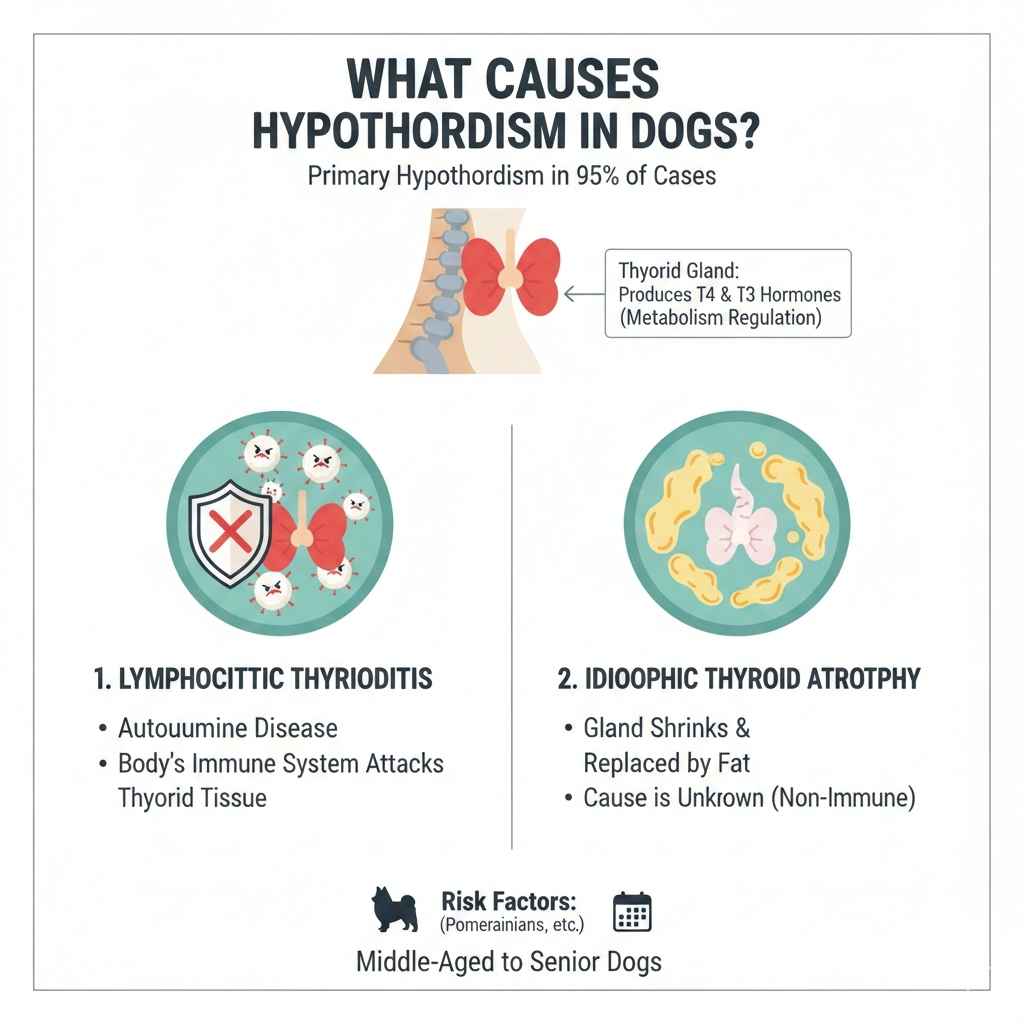
Why did my Pomeranian get hypothyroidism? The underlying causes are almost always rooted in the thyroid gland itself; this is what vets call Primary hypothyroidism in dogs. In over 95% of cases, the condition isn’t a result of diet or environment, but rather an autoimmune or degenerative process.
One key reason is Autoimmune thyroiditis in dogs. This happens when the dog’s own immune system, in a case of mistaken identity, attacks the thyroid gland and gradually destroys the tissue. The second major cause is Thyroid gland atrophy, where the functional thyroid tissue shrinks and gets replaced by fat and connective tissue, and we simply don’t know why this occurs. Understanding this distinction helps veterinarians create an accurate long-term Long-term management of hypothyroidism in dogs
Recognizing the Signs: What Symptoms Should I Watch For?
What are the clinical signs of canine hypothyroidism? The symptoms of low thyroid hormone often creep up so slowly that you might initially dismiss them as just “getting old.” However, if you know what to look for, you can spot the problem quickly and help your Pom sooner. Owners should be vigilant because timely diagnosis is critical.
1. Changes in Energy and Weight (Metabolic Signs)
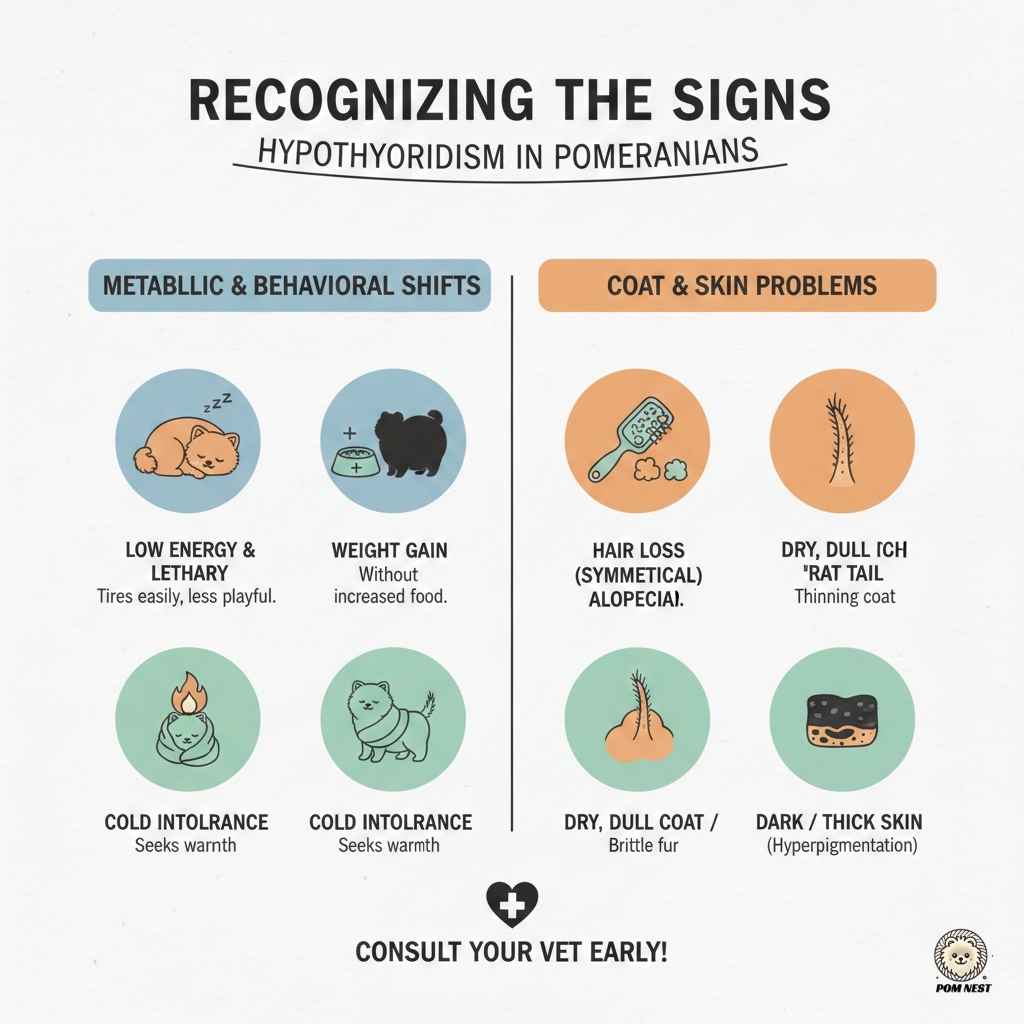
You may notice a significant decrease in your Pom’s energy level. They may seem dull, listless, or suddenly uninterested in their favorite games, which is a key symptom of Hypothyroidism in Pomeranians. This profound lethargy is directly tied to the slowed metabolic rate.
Another common metabolic symptom is unexplained weight gain, even if your dog isn’t overeating. Because their body is burning calories so slowly, they struggle to maintain a healthy weight. Since their body temperature regulation is also affected, they might constantly seek out warm places, becoming sensitive to cold temperatures.
2. Coat and Skin Problems (Dermatological Signs)
For Pomeranians, famous for their fluff, skin and coat changes are usually the most obvious Clinical signs of canine hypothyroidism. You might notice the fur looking dull, dry, and brittle, and they may experience excessive shedding. These are typical Canine dermatological symptoms of the disease.
The hair loss (alopecia) is often symmetrical, meaning it looks the same on both sides of the body, particularly affecting the trunk, tail, and neck. The skin underneath the coat may also become thickened, darker (hyperpigmentation), or predisposed to recurrent infections, requiring additional topical treatment alongside the hormone therapy.
Diagnosis: How Does the Vet Confirm Hypothyroidism?
How is hypothyroidism in Pomeranians diagnosed? Diagnosis requires careful testing because many conditions can mimic low thyroid symptoms. Your vet will begin with a full physical exam and a blood chemistry panel, looking for supportive findings like elevated cholesterol.
The definitive step involves specialized Thyroid blood testing and diagnosis. Testing just the Total T4 often isn’t enough, as non-thyroidal illnesses can temporarily suppress this number, a confusing phenomenon called Euthyroid Sick Syndrome. A thorough panel measures T4, Free T4, T3, and TSH (Thyroid Stimulating Hormone). If your Pomeranian has a low Free T4 level combined with a high TSH level, the diagnosis of Hypothyroidism in Pomeranians is confirmed.
Treatment: What to Expect After Diagnosis
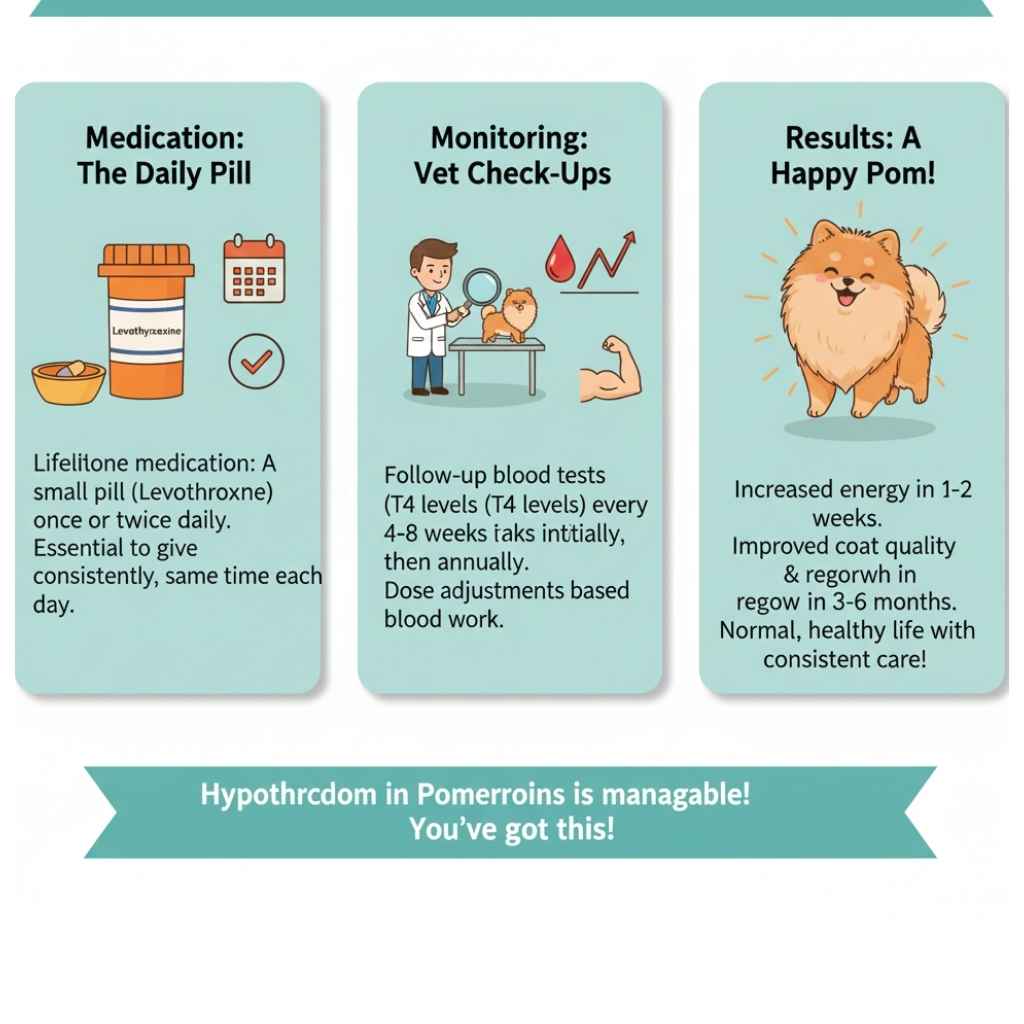
Can my dog be cured of hypothyroidism? While this condition can’t be cured, it is incredibly manageable with medication. The treatment is simple: daily, oral hormone replacement using a synthetic compound.
The drug of choice is Levothyroxine treatment for dogs. Your vet will calculate the initial dose based on your Pomeranian’s body weight. It’s crucial that you follow the prescribed dosing schedule exactly. Within a few weeks, you should start seeing significant improvements in their energy and attitude, as the hormone deficiency is corrected. Follow-up blood tests are essential to ensure the dose is perfect; too much can cause hyperthyroidism symptoms, and too little won’t resolve the underlying issue.
Long-Term Management and Prognosis
What is the prognosis for a dog with hypothyroidism? The prognosis is excellent when the condition is well-managed. With lifelong adherence to the Levothyroxine treatment for dogs regimen, your Pom can enjoy a normal lifespan and a high quality of life. Improvement in the skin and coat will take the longest—sometimes three to six months—so patience is key.
Hypothyroidism in Pomeranians requires consistent check-ups. Your vet will recommend annual or semi-annual blood work to monitor hormone levels and ensure the medication dosage remains correct, as a dog’s tolerance can change over time. It’s important to understand that severe, untreated cases can lead to serious health issues, including Neurological complications of hypothyroidism or Cardiac and reproductive symptoms in hypothyroid dogs, but these are thankfully rare in managed pets. This diligent approach forms the bedrock of effective Long-term management of hypothyroidism in dogs.
Conclusion
Hypothyroidism in Pomeranians doesn’t have to define your dog’s life. It is a common challenge, but it is one we can meet head-on with consistent veterinary care. If you suspect your furry companion is suffering from this Thyroid hormone deficiency, talk to your veterinarian about testing today. Getting your Pom back to their energetic, fluffy best is absolutely achievable! This guide should give you the confidence to manage this condition effectively.
⚠️ Important Veterinary Disclaimer
The content of this article is for informational purposes only and is not intended to be a substitute for professional veterinary advice, diagnosis, or treatment. Always seek the advice of your veterinarian or other qualified animal health provider with any questions you may have regarding a medical condition. Never disregard professional veterinary advice or delay in seeking it because of something you have read here.
Cummings School of Veterinary Medicine at Tufts University
Veterinary Partner (VCA Hospitals)
People also ask:
What is the life expectancy of a dog with hypothyroidism?
With consistent and proper Levothyroxine treatment for dogs, the life expectancy is excellent, often extending to a normal lifespan for the breed, as the condition is highly manageable.
What foods should dogs avoid with hypothyroidism?
There are no specific forbidden foods, but owners should avoid excessive intake of soy products and certain cruciferous vegetables (like raw broccoli) which can interfere with thyroid hormone production and uptake.
What are the worst symptoms of hypothyroidism?
The most critical and life-threatening symptom is myxedema coma, a rare condition characterized by collapse, severe hypothermia, and extreme lethargy, requiring immediate emergency veterinary care.
What happens if I don't treat my dog's hypothyroidism?
Untreated thyroid hormone deficiency leads to progressive systemic decline, including severe anemia, heart problems, neurological damage, and in rare cases, a fatal myxedema crisis.
What can be mistaken for hypothyroidism in dogs?
Other conditions like Cushing’s disease (hyperadrenocorticism) or chronic stress can cause similar signs like hair loss and lethargy, and may also cause “Euthyroid Sick Syndrome” on blood tests.