
Is Your Fluffy Pom an Overweight Pomeranian? Guide to a Healthy Weight

Lateef Bhatti
Author
Overweight Pomeranians face significant health risks, just like any other dog breed carrying excess weight. As a toy dog, a Pomeranian’s small stature means that even a single extra pound puts immense pressure on their tiny body and vital organs. You must understand how to recognize, prevent, and manage this common issue to ensure your fluffy companion lives a long, joyful life.
Overweight Pomeranian: Overview
Pomeranians are known for their dense double coats and their cheerful, energetic personalities. Unfortunately, that beautiful coat can easily hide excess weight until the problem becomes severe. When we discuss Overweight Pomeranians, we’re talking about a serious medical condition. It drastically shortens a dog’s lifespan and immediately diminishes their quality of life. The challenge is recognizing the weight gain early and taking swift action to restore a healthy balance of diet and exercise.
Table of Contents
ToggleIs My Pomeranian Fat?
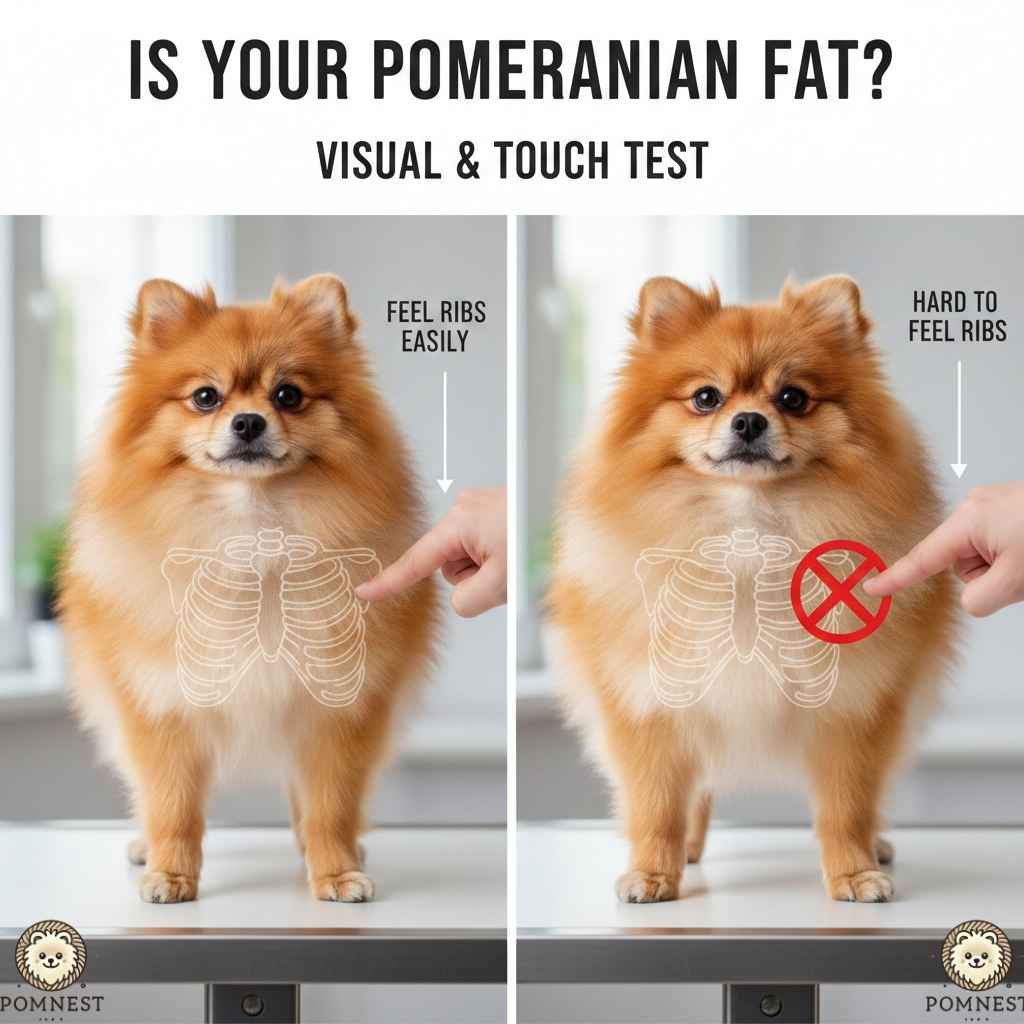
It can be deceptively hard to tell if your Pomeranian is fat because of their thick coat. You can’t rely on visual checks alone. In fact, many owners say their Pom just looks “fluffy” when they are actually carrying significant excess weight. Instead of guessing, you must rely on tactile assessment and monitoring their body condition. If you suspect your Pom is developing a weight problem, the time to act is now.
How to Know if Your Pom Needs to Diet
The best way to tell is by doing a simple body condition check. Run your hands along your dog’s sides, following the line of their rib cage.
- Ideal Weight: You should be able to feel the ribs easily beneath a slight layer of tissue, similar to feeling the back of your hand.
- Overweight: You must push down to feel the ribs, or you can’t feel them at all.
- Underweight: The ribs are prominent and feel like your knuckles.
You should also look at your Pom from above. Does he have a noticeable waistline or does his body look like an oval or a barrel? The lack of an abdominal tuck confirms your dog needs a diet.
Above Average Weight
On average, a healthy, fully grown Pomeranian will weigh between 3 to 7 pounds. However, there are individual differences based on genetics and build. If your Pom falls into the category of a Throwback Pomeranian—a larger dog with more genes from their ancestors—they may be naturally heavier, possibly up to 12 or 14 pounds. It’s crucial to distinguish between a naturally large, lean dog and a smaller dog with above average weight due to fat. You need to focus on the Body Condition Score (BCS), not just the number on the scale.
Is your Pomeranian having Trouble Breathing?
Breathing issues are a major red flag that often accompany obesity, especially in this breed. Excess fat around the chest cavity and throat puts pressure on the respiratory system, making it harder for the lungs to fully expand. This can also exacerbate pre-existing conditions like a collapsed trachea, a genetic weakness common in small dog breeds where the windpipe becomes narrow. If your dog coughs, wheezes, or struggles after light activity, schedule an urgent visit to your vet.
Lacking Energy
A lacking energy level is one of the most common early symptoms of obesity. Overweight Pomeranians often sleep more and show less interest in play or walks. A healthy Pom is known for possessing endless amounts of energy, so if you take a leisurely stroll to the food bowl instead of a mad dash, you should recognize the sign. This reduced activity contributes to a vicious cycle of weight gain and lower calorie burn.
What Happens if You Own an Fat & Overweight Pomeranian
Allowing your Pomeranian to remain overweight affects nearly every aspect of their physical well-being. The issues aren’t just cosmetic; they represent serious health problems that compound over time. Increased body fat doesn’t just sit there inertly; it releases pro-inflammatory mediators that contribute to disease development. For a Pom, a major concern is the additional strain on their heart, lungs, and joints. This limits mobility and, critically, makes them less able to regulate their body temperature, increasing heat stroke risk.
Reasons for Putting a Pomeranian on a Diet
The primary reason to put your Pom on a diet is quite simple: you want them to be healthy and happy. If your vet confirms your dog is an adult dog carrying too much fat, a controlled weight loss plan becomes essential. A diet reduces the physical strain on your dog’s frame, mitigates inflammation, and dramatically reduces the risk of serious illnesses. Overweight Pomeranians need a diet not as punishment, but as preventative medicine.
What Caused My Dog to Become an Overweight Pom?

It’s easy to blame a lack of exercise or a slow metabolism, but the cause of a fat Pom is almost always simple thermodynamics: your dog consumes more calories than he burns. It’s the same principle for both puppies and adult dogs. Most owners have good intentions but don’t realize how quickly small amounts of extra food can add up for a tiny toy dog.
Health Issues that Can Cause Weight Gain
While diet and exercise are the main culprits, you should always rule out serious medical conditions. Certain hormonal imbalances can lead to unexplained weight gain even when the diet seems controlled. Your vet will perform blood work to check for diseases such as:
- Hypothyroidism: An underactive thyroid gland, which slows metabolism.
- Cushing’s Disease: An overproduction of cortisol.
- Diabetes: Which requires special management and is often exacerbated by obesity.
If these health issues are present, treating the underlying condition is the first step toward managing your dog’s weight.
Lifestyle and Habits that Can Cause Weight Gain with a Pom
The vast majority of weight problems stem from simple, correctable habits. They include:
- The Treat Trap: Giving too many treats and snacks throughout the day. Remember, every bite has calories, and commercial treats can be surprisingly dense.
- Begging: Giving in to “puppy dog eyes” by sharing human food or table scraps. This quickly introduces high-calorie, unbalanced food into their diet.
- Free-Feeding: Leaving a bowl of food out all day long, allowing your Pom to graze constantly. This makes calorie counting impossible and removes portion control.
Other Reasons for a Pomeranian Being Large
Sometimes, a Pom is just big. As mentioned before, the Throwback Pomeranian will be naturally larger and may weigh more than the 7-pound standard. If your Pom is lean and you can easily feel his rib cage, he is not overweight, he is simply built to be a larger dog. The problem isn’t his size; the problem is fat.
How Do You Help a Fat Pomeranian Lose Weight?
Helping your Overweight Pomeranian reach a healthy weight requires commitment, consistency, and a plan approved by your veterinarian. Your goal is gradual, sustainable weight, not crash dieting. Aim for a loss of 1% to 2% of their starting weight per week. This ensures your Pom loses fat mass without sacrificing lean muscle.
How to Help an Overweight Pomeranian Lose Weight
The equation for weight loss is simple: increase calorie expenditure and decrease calorie intake. Because small dogs burn relatively few calories through activity, diet is the most important factor—it accounts for about 80% of the weight loss success.
- Adjust the Diet: Gradually reduce the daily food portion, typically by about 20% from their maintenance intake.
- Increase Activity: Add an extra 10 to 15 minutes of walks or focused playtime each day.
- Monitor Progress: Weigh your Pom weekly and adjust the food quantity based on their rate of weight loss.
Facts to Consider Before Losing Weight
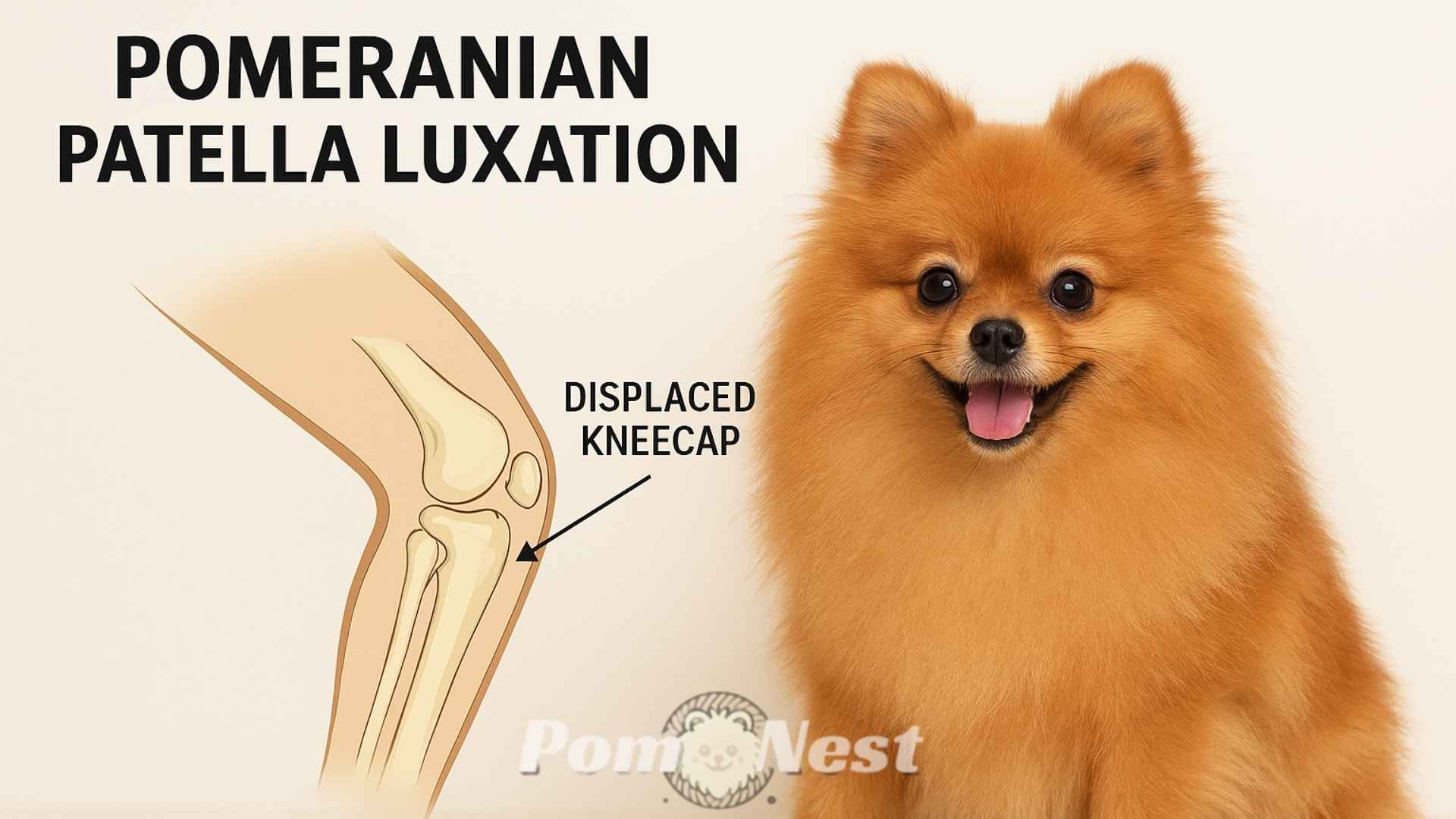
You must be cautious when putting your dog on a diet. Never put a growing puppy on a restricted diet; they need consistent nutrition for bone and organ development. If your Pomeranian has a known orthopedic issue like a luxating patella (a kneecap that slips out of place), you need a very gentle exercise plan that minimizes strain, often involving swimming or gentle movements prescribed by a vet. Always consult your vet to rule out any medical conditions before starting a diet.
Tips on Helping Your Overwight Pomeranian Shed Some Unwanted Pounds

Success is in the details. These tips will help you stay on track and ensure your Pom stays engaged and healthy during their weight loss journey.
How Much to Feed a Pomeranian
The most accurate way to determine feeding quantity is to calculate your Pom’s Resting Energy Requirement (RER) based on their ideal weight, then adjust for weight. You should only trust a calculation provided or verified by your vet.
- A common RER calculation (for dogs 2-45 kg):The Resting Energy Requirement (RER) in kilocalories per day (kcal/day) is calculated as:
RER (kcal/day) = (30 x Weight in kg) + 70
For example:
Using a 5 kg Pomeranian:
(30 x 5) + 70 = 150 + 70 = 220 kcal/day
Calorie Counting
Once you know the target daily calories (adjusted down for weight loss), you must count everything. This includes meals, dental chews, and training rewards. Never let treats exceed 10% of their total daily caloric intake. This simple step stops you from accidentally sabotaging your Overweight Pomeranians’ diet.
Ensure Your Pomeranian’s Food Is the Best Quality You Can Buy
The quality of your Pom’s food directly impacts their health. High-quality food delivers maximum nutrition with fewer filler calories. Look for small-breed formulas that list animal protein as the first ingredient. A diet rich in protein helps maintain lean muscle mass while they lose weight.
Consume the Best Quality, Healthy Food
You have options for achieving a low-calorie, nutrient-dense diet:
- Commercial Dog Food: Use a specialized “weight management” or “light” formula. These foods typically have higher fiber and lower fat content.
- Homecooked Meals: If you choose this route, work with a veterinary nutritionist to ensure the diet is completely balanced. You can replace some meat ingredients with vegetables like green beans, pumpkin, or carrots. These add bulk and fiber, helping your Pom feel full on fewer calories. This helps your Overweight Pomeranian feel satisfied.
Keep Records of the Quantity of Food Your Pomeranian Consumes
Keep Records of everything that passes your Pom’s lips. An online spreadsheet or a simple paper log works well. Note the meal time, the type of food, and the exact quantity. This data is invaluable when you need to adjust their plan, helping you pinpoint exactly where the extra weight gain might have come from.
You Should Weigh Him each Week
Use a small scale—a dedicated pet scale or a reliable kitchen scale (by subtracting the weight of the basket your Pom is in)—to track progress. Weigh him each week on the same day, at the same time. This weekly monitoring allows you to make tiny, immediate adjustments to their food portion, preventing plateaus and ensuring the weight loss is steady and safe.
Reduce His Treats
This is often the hardest step for owners. You don’t have to eliminate treats entirely; you just need to reduce them significantly and swap them for healthier options. Use low-calorie vegetables like small pieces of carrot or green bean as training rewards. More importantly, replace food-based rewards with enthusiastic praise, hugs, and playtime.
Ask Your Vet for Advice
Your local vet is your most important resource. They can perform the necessary blood tests, calculate the precise daily calorie goal, and help you create a customized weight loss plan that considers any unique genetic or pre-existing medical conditions. You should never try to manage severe canine obesity without their professional guidance.
Maintain Your Pomeranian’s Health
Reaching your Pom’s ideal weight is a huge accomplishment, but maintaining it is the next challenge. Overweight Pomeranians need lifelong vigilance. A healthy Pomeranian has a zest for life, clear breathing, and the energy to bounce around all day long. Keeping the weight off is a critical act of love and care, ensuring you have many more years together.
Additional Help for Owners of Overweight Pomeranians
If you are struggling to achieve weight goals, look for support from a certified canine nutritionist or a reputable breeder familiar with the breed’s unique metabolism. Always remember the goal is not perfection, but consistent, healthy habits. If you stick with the plan and remain diligent, you can successfully maintain your Pomeranian’s health for the long term.
⚠️ Important Veterinary Disclaimer
The content of this article is for informational purposes only and is not intended to be a substitute for professional veterinary advice, diagnosis, or treatment. Always seek the advice of your veterinarian or other qualified animal health provider with any questions you may have regarding a medical condition. Never disregard professional veterinary advice or delay in seeking it because of something you have read here.
References and Further Reading:
Canine Nutritional Guidelines: Standards set by veterinary nutritionists for safe and effective canine weight loss and calorie calculation.
Veterinary Orthopedic Resources: Information regarding breed-specific joint issues like Luxating Patella and their interaction with obesity.
Small Animal Internal Medicine Textbooks: Data on endocrine and metabolic diseases (Diabetes, Hypothyroidism) as potential causes of weight gain.
Professional Dog Breeding and Health Organizations: Best practices for managing the specific energy levels and growth stages of Toy Dogs like the Pomeranian.
Comparative Health Studies: Statistical findings on obesity prevalence and associated lifespan reduction in Dog Breeds.
People also ask:
Yes, Pomeranians are moderately prone due to their small size, high caloric density requirements, and common indoor, low-activity lifestyles, which make overfeeding an easy mistake.
While many breeds are at risk, Labrador Retrievers, Beagles, Dachshunds, and Cocker Spaniels are genetically or behaviorally among the most prone to developing obesity.
The quickest safe way is a veterinarian-supervised prescription diet combined with increased daily exercise, aiming for a sustainable loss of 1-2% of body weight per week.
The 80/20 rule often refers to diet composition: 80% should be a nutritionally complete and balanced primary food, and the remaining 20% covers low-calorie treats and safe additions.
Supplements generally do not cause weight loss; however, some, like L-carnitine or added fiber, can support muscle retention and satiety when combined with a strict calorie-reduced diet.
You may also like





Build the Perfect Care Routine for Your Pomeranian

Select your Pom’s age, coat type, and activity level to instantly get a custom care checklist — it’s fast, free, and made with love!
Give your Pom the daily care they truly deserve.