
🐶 Understanding and Managing Pomeranian Heart Disease

Lateef Bhatti
Author
Pomeranian heart disease is a significant health concern, primarily due to their high risk for Myxomatous Mitral Valve Disease (MMVD), which often progresses to Congestive Heart Failure (CHF). Symptoms commonly include a persistent, hacking cough, exercise intolerance, and difficulty breathing, especially at rest. Early detection through veterinary exams, which listen for a heart murmur, and specialized diagnostics like an echocardiogram are crucial. While incurable, the condition is manageable with medications (like ACE inhibitors and diuretics) and specialized diets to maintain quality of life.
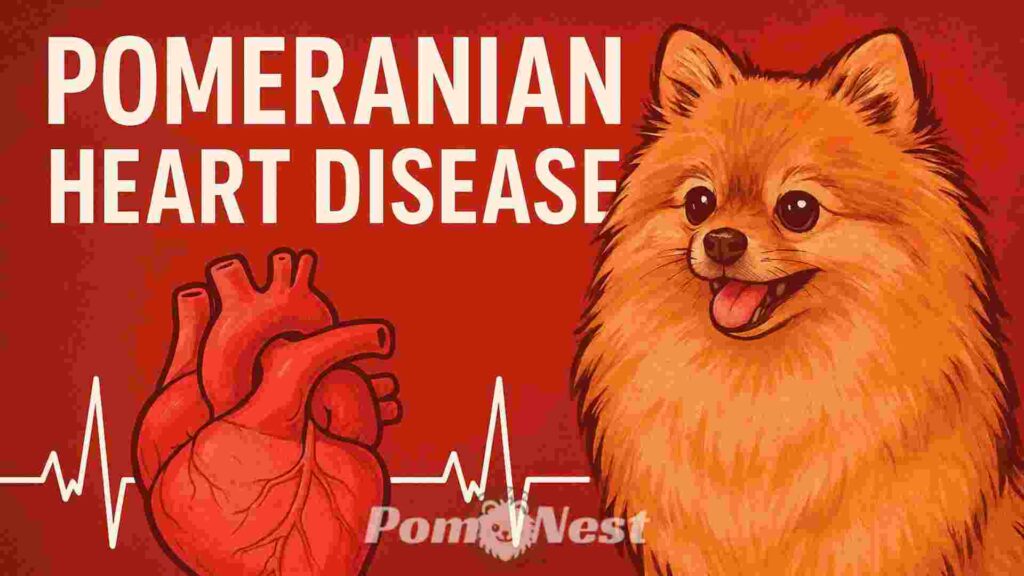
Dealing with health issues in your small companion is never easy, but knowing what to look for and what to expect is the first step in providing the best care. Heart problems are unfortunately common in toy breeds, and Pomeranian heart disease is a topic every Pom owner should understand.
Table of Contents
ToggleCore Information and Overview

Pomeranian Heart Disease: An Overview
Pomeranians, like many small breeds, face higher small breed cardiovascular risks as they age. While they’re generally hardy, the smallest dogs often develop specific types of heart failure. Catching these issues early is critical; the sooner your veterinarian identifies a problem, the better your Pom’s prognosis and quality of life will be. You can’t prevent aging, but you can certainly prepare yourself to manage the associated health challenges.
What is Congestive Heart Failure (CHF) in Pomeranians?
Congestive heart failure in small dogs happens when the heart can’t efficiently pump blood to the rest of the body. This inefficiency causes fluid to back up, typically into the lungs (pulmonary edema) or sometimes into the abdomen (fluid retention and abdominal swelling (ascites)). This is a progressive condition, meaning it worsens over time, but proper management can significantly slow its progression.
Common Types and Causes of Heart Disease
The single most common type of Pomeranian heart disease isn’t a blockage, but a valve issue. The heart’s valves—especially the mitral valve—can degenerate or weaken.
- Mitral Valve Disease (MVD) in toy breeds: This accounts for the vast majority of heart disease in older Pomeranians. The mitral valve separates the upper and lower chambers on the left side of the heart. When it weakens, it doesn’t close tightly, allowing blood to leak backward (regurgitate). This leakage is what your vet hears as a Pomeranian heart murmur. Over time, the heart has to work harder, leading to enlargement and eventual CHF.
- Patent Ductus Arteriosus (PDA): While less common than MVD, Patent ductus arteriosus (PDA) is an important type of congenital (birth-defect) heart disease seen in puppies. It involves an essential fetal blood vessel that fails to close after birth, resulting in abnormal blood flow.
Recognizing the Signs and Symptoms of Pomeranian Heart Disease

Warning Signs of Heart Problems: What to Watch For
Owners often miss the subtle early signs of heart trouble because they mistakenly attribute the changes to normal aging. If you notice persistent changes in your Pom’s habits or breathing, it’s time to call the vet. What are the key Pomeranian cardiac symptoms?
Physical Symptoms (Coughing, Breathing Difficulty, Fainting)
A dry, hacking cough, particularly one that occurs during or after rest or at night, is the most tell-tale symptom. This cough often results from fluid accumulating in the lungs. You should also watch for changes in breathing patterns. If your Pom’s resting respiratory rate is consistently over 30 breaths per minute, that’s a red flag. In severe, late-stage disease, an owner might observe cyanosis in dogs (a bluish tint to the gums due to lack of oxygen) or fainting spells (syncope).
Behavioral Changes (Lethargy, Reduced Exercise Tolerance)
Heart disease makes it harder for the body to oxygenate muscles, which translates directly into reduced energy. You may notice exercise intolerance in Pomeranians—they might lag behind on walks, refuse to play, or tire quickly during activities they once enjoyed. They might seem generally weak or lethargic, simply preferring to sleep rather than engage with you.
Diagnosis and Veterinary Care

The Diagnostic Journey: Tests Your Veterinarian May Perform
If your vet suspects heart disease after hearing a heart murmur during an exam, they’ll recommend a series of steps collectively known as canine cardiac diagnostics. These steps are crucial for determining the stage of the disease and creating a targeted treatment plan.
Key Diagnostic Tools (X-rays, Echocardiogram, ECG)
What tests are necessary to confirm Pomeranian heart disease?
- Chest X-rays (Radiographs): X-rays show the size and shape of the heart, allowing the vet to see if it’s enlarged. They also reveal whether fluid is building up in the lungs (pulmonary edema), which confirms CHF.
- Echocardiogram for dogs (Cardiac Ultrasound): This non-invasive ultrasound provides a moving image of the heart. It’s the gold standard for diagnosis because it measures heart chamber size, checks the efficiency of the valves (like the mitral valve), and determines the heart’s overall pumping function.
- Electrocardiogram (ECG): An ECG records the heart’s electrical activity and identifies any abnormal rhythms (arrhythmias).
Treatment and Management

Comprehensive Treatment Options and Management
While there is no cure for most acquired heart diseases, modern veterinary medicine offers effective ways to manage the symptoms and slow progression. The goal of treatment is to relieve the signs of congestive heart failure in small dogs and extend their lifespan comfortably.
Medical Management: Medications and Their Purpose
The specific medications prescribed will depend on the stage of the disease and your dog’s specific symptoms.
- ACE inhibitors for canine heart disease: Drugs like enalapril help relax blood vessels, lowering blood pressure and making it easier for the heart to pump.
- Diuretics for congestive heart failure: Medications such as Furosemide help the body eliminate excess fluid, reducing the backup in the lungs and relieving the cough.
- Pimobendan (Vetmedin): This drug is a positive inotrope, meaning it strengthens the heart muscle’s contractions and helps open up the vessels. It’s often considered the cornerstone of therapy for MVD.
Lifestyle Modifications: Exercise, Environment, and Stress
You play a vital role in management. Exercise must be carefully moderated; excessive activity stresses an already struggling heart. Your vet will advise you on the appropriate level, which usually means short, leashed walks only. Also, keeping your Pom at a healthy weight is essential, as obesity significantly burdens the heart. Try to keep their environment calm and stress-free.
Prevention and Long-Term Care

Prevention and Early Detection: The Importance of Vet Check-ups
The best prevention is early detection. Regular veterinary cardiology checkups, particularly yearly exams, allow your vet to listen for Pomeranian heart murmurs. If a murmur is detected, they can begin monitoring and treatment earlier, often before physical signs even develop. Remember, early intervention offers the longest life expectancy.
Pomeranian Health and Nutrition for a Healthy Heart
Managing your dog’s diet is a powerful way to support heart health. A cardiac diet for small breed dogs typically involves controlled sodium levels to help prevent fluid retention. Your vet may recommend specific prescription diets formulated for heart patients. These diets often include beneficial supplements like Omega-3 fatty acids.
Living with a Heart Condition: Giving Your Pommy the Best Care
Once diagnosed, life becomes about careful monitoring. You’ll need to consistently check your Pom’s resting breathing rate at home and never skip medication doses. Learn to recognize subtle shifts in their energy or breathing and communicate immediately with your vet. A diagnosis of Pomeranian heart disease isn’t an ending; it’s a shift to a new, manageable reality where your dedicated care ensures they remain happy and comfortable for as long as possible.
Conclusion: Pomeranian Heart Disease
Caring for a Pomeranian with heart disease requires vigilance and teamwork between you and your vet. By understanding the signs, adhering to the treatment plan, and making necessary lifestyle adjustments, you can help manage this common condition effectively. Focus on the quality of life you can provide every single day; your devoted little companion deserves nothing less.
⚠️ Important Veterinary Disclaimer
The content of this article is for informational purposes only and is not intended to be a substitute for professional veterinary advice, diagnosis, or treatment. Always seek the advice of your veterinarian or other qualified animal health provider with any questions you may have regarding a medical condition. Never disregard professional veterinary advice or delay in seeking it because of something you have read here.
References:
ACVIM Consensus Guidelines: Used for information on heart disease staging (Stages A-D) and first-line treatments (Pimobendan, ACE inhibitors) for Myxomatous Mitral Valve Disease (MMVD).
Veterinary Academic Institutions (e.g., Tufts, Texas A&M): Provided core diagnostic information (X-rays, Echocardiograms, resting respiratory rate monitoring) and symptom identification.
Leading Veterinary Health Publishers (e.g., VCA Animal Hospitals, PetMD): Source for details on common heart diseases (MMVD, PDA), medication types (Furosemide), and general prognosis for CHF in small breeds.
Specialized Pet Health Articles: Used for small breed risk factors, low-sodium diet recommendations, and specific owner-focused care advice.
People also ask:
The final stage of a heart murmur is clinically classified as Stage D Congestive Heart Failure (CHF), meaning the disease has progressed to the point where the dog is resistant to standard dosages of cardiac medications and requires intensive, advanced treatment to manage symptoms.
Acquired heart disease, such as Mitral Valve Disease common in Pomeranians, typically begins structurally around 7 to 10 years of age (middle-aged to senior), although congenital defects like PDA are present from birth.
With a Congestive Heart Failure (CHF) diagnosis, Pomeranians typically live between 6 months to 2 years, though this is highly variable; early diagnosis and diligent medication compliance can extend this significantly.
While some mild, low-impact exercise is necessary to maintain muscle mass, high-intensity or strenuous activity is generally not good as it places excessive strain on the already compromised heart, and activity levels must be strictly managed by your vet.
You must strictly avoid high-sodium foods (e.g., table scraps, salted treats, deli meats) as excess sodium promotes fluid retention and increases the workload on the heart, which is detrimental to dogs with existing murmurs or heart disease.
You may also like










Build the Perfect Care Routine for Your Pomeranian

Select your Pom’s age, coat type, and activity level to instantly get a custom care checklist — it’s fast, free, and made with love!
Give your Pom the daily care they truly deserve.