
🐶 Pomeranian Reverse Sneeze: Understanding and Managing the Sudden Snorts

Lateef Bhatti
Author
Pomeranian reverse sneezing (paroxysmal respiration) is a common, often startling but harmless spasm where the dog forcefully inhales air, making honking or snorting sounds. It’s usually triggered by irritants like dust, excitement, or a tight collar, and the episode typically lasts less than a minute. While generally benign, consistent or severe attacks require a veterinarian to rule out conditions like tracheal collapse or nasal foreign bodies.
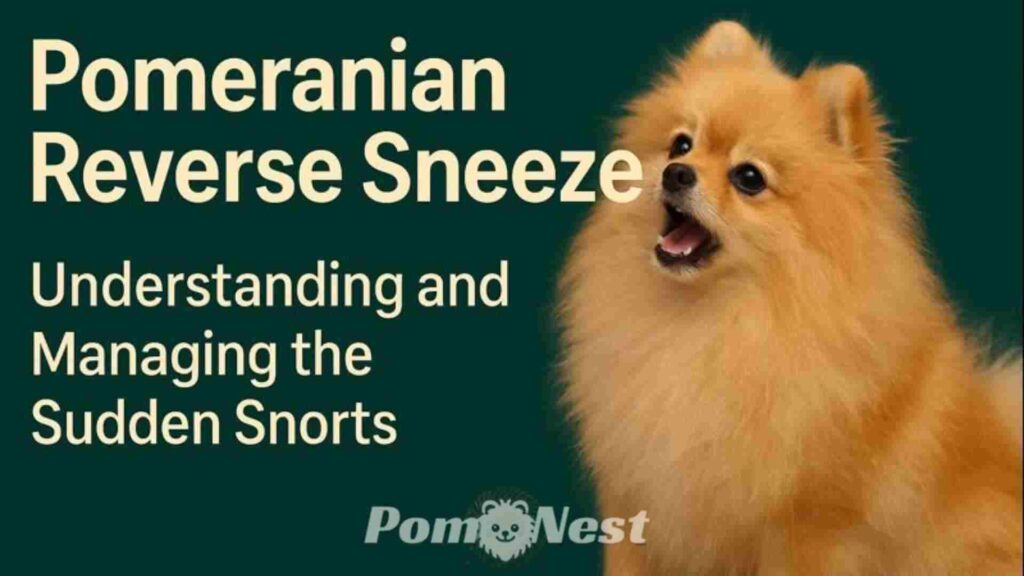
Why Does My Pomeranian Snort?
The short answer is that your dog is trying to clear something irritating from his throat or nasal passages, but he’s doing it backward!
Table of Contents
ToggleWhat is Reverse Sneezing (Paroxysmal Respiration)?
Reverse sneezing, technically known as paroxysmal respiration, is a sudden, rapid, and involuntary inspiration of air through the nose. When a normal sneeze (a reflex exhalation) violently pushes air and irritants out, a reverse sneeze is an attempt at a rapid, forceful inhalation to pull irritants in and then down to the stomach for disposal. This spasm occurs when something tickles the sensitive area of the upper respiratory tract—specifically the larynx and palate region.
Reverse Sneeze vs. Normal Sneeze
The difference between a normal sneeze and a Pomeranian Reverse Sneeze lies in the direction of the air.
Feature | Normal Sneeze | Reverse Sneeze (Paroxysmal Respiration) |
Air Movement | Forceful, explosive Exhalation | Rapid, labored Inhalation |
Sound | “Achoo!” (Short, loud burst) | Snorting, gagging, honking (Prolonged, rhythmic) |
Goal | Expel foreign material from the nostrils | Pull foreign material deep into the pharynx |
When your Pom experiences a reverse sneezing episode, he usually extends his neck, stands still, and pulls air inward repeatedly. It’s definitely dramatic!
Common Sounds Associated with the Episode (Honking, Snorting, Gagging)
The noises can be incredibly concerning if you haven’t heard them before. The most common sounds are harsh, repeated snorting sounds and a rapid sucking of air. Because the laryngeal opening is momentarily narrowed during the spasm, some Poms sound like they are honking, similar to a goose. Sometimes the event is accompanied by gagging as the dog struggles to clear the irritant from the back of his throat.
Reasons for Pomeranian Sneeze Attacks

While reverse sneezing itself is a symptom, not a disease, it’s triggered by underlying irritation. Your small dog’s size and short snout make him particularly susceptible to these attacks.
Primary Causes of Irritation
Many times, a trigger is just a part of everyday life.
Over-excitement or Anxiety
When a Pomeranian gets overly excited, his breathing rate increases, and he may start gulping air. This rapid movement can irritate the delicate lining of the nasal passages and pharynx, triggering the spasm. Similarly, stress or anxiety can lead to changes in breathing patterns that result in a sneeze attack.
Eating or Drinking Too Fast
Gulping down food or water too quickly can allow particles to enter the wrong pathways in the throat, creating instant irritation and causing the reflex to kick in.
Pulling on a Leash or Collar
This is one of the most preventable causes. A tight or poorly fitted collar puts direct pressure on the trachea (windpipe) and larynx. When your dog pulls on the leash, the constant pressure can inflame the area, which easily leads to a reverse sneeze.
Environmental and Health Triggers
Sometimes the cause isn’t about action, but about the atmosphere around your dog.
Airborne Irritants (Perfumes, Dust, Smoke)
Just like people, dogs are sensitive to strong odors and tiny particles. Common triggers include cigarette smoke, pollen, household chemicals, candles, and even strongly scented perfumes. These irritants enter the nostrils and set off the reflex. A dusty home environment is a major culprit.
Post-nasal Drip or Inflammation
Any mild inflammation in the nasal cavity or sinuses can result in an accumulation of mucus that drains down the back of the throat. This post-nasal drip is a frequent trigger for the spasm, especially when your dog is lying down or resting.
Mites, Viruses, or Foreign Substances (Canine nasal mites)
In less common instances, a sneeze attack can be caused by a deeper problem, like a viral or bacterial infection. Parasites, specifically Canine nasal mites (Pneumonyssoides caninum), or a tiny foreign substance lodged in the nasal passages are also rare but possible causes that need a veterinarian’s attention.
Is My Pom in Danger During a Pomeranian Sneeze Attack?

Generally, no. Despite how terrifying a Pomeranian Reverse Sneeze looks and sounds, your dog is almost always getting enough air and is not choking.
When to Be Concerned (Duration and Frequency)
Reverse sneezing is usually benign, lasting only a few seconds up to about two minutes. If the episode is brief and your dog is completely fine afterward—tail wagging and ready to play—you probably shouldn’t worry.
However, you should be concerned if:
- The episodes start lasting longer than a few minutes.
- The frequency dramatically increases (e.g., happening many times a day).
- Your dog shows other signs of illness, like lethargy, fever, or nasal discharge.
When to Call the Vet Immediately
It’s time to contact your veterinarian (vet) without delay if the snorting is accompanied by any of these signs:
- Blue-tinged gums or tongue (a sign of oxygen deprivation).
- Collapse or fainting.
- Sustained, severe difficulty breathing, even between episodes.
Differentiating Reverse Sneezing from Serious Breathing Issues
While reverse sneezing is a rapid, short-lived spasm, other serious conditions can mimic or mask it. If the breathing issues become chronic or happen when your dog is calm, it’s not a simple reverse sneeze.
Heart Disease
Dogs with advanced Heart Disease sometimes display a cough that can sound similar to a snort or a deep cough. This is often worse when they’re lying down. Unlike a reverse sneeze, heart-related issues are typically persistent and often involve an intolerance for exercise.
Collapsed Trachea
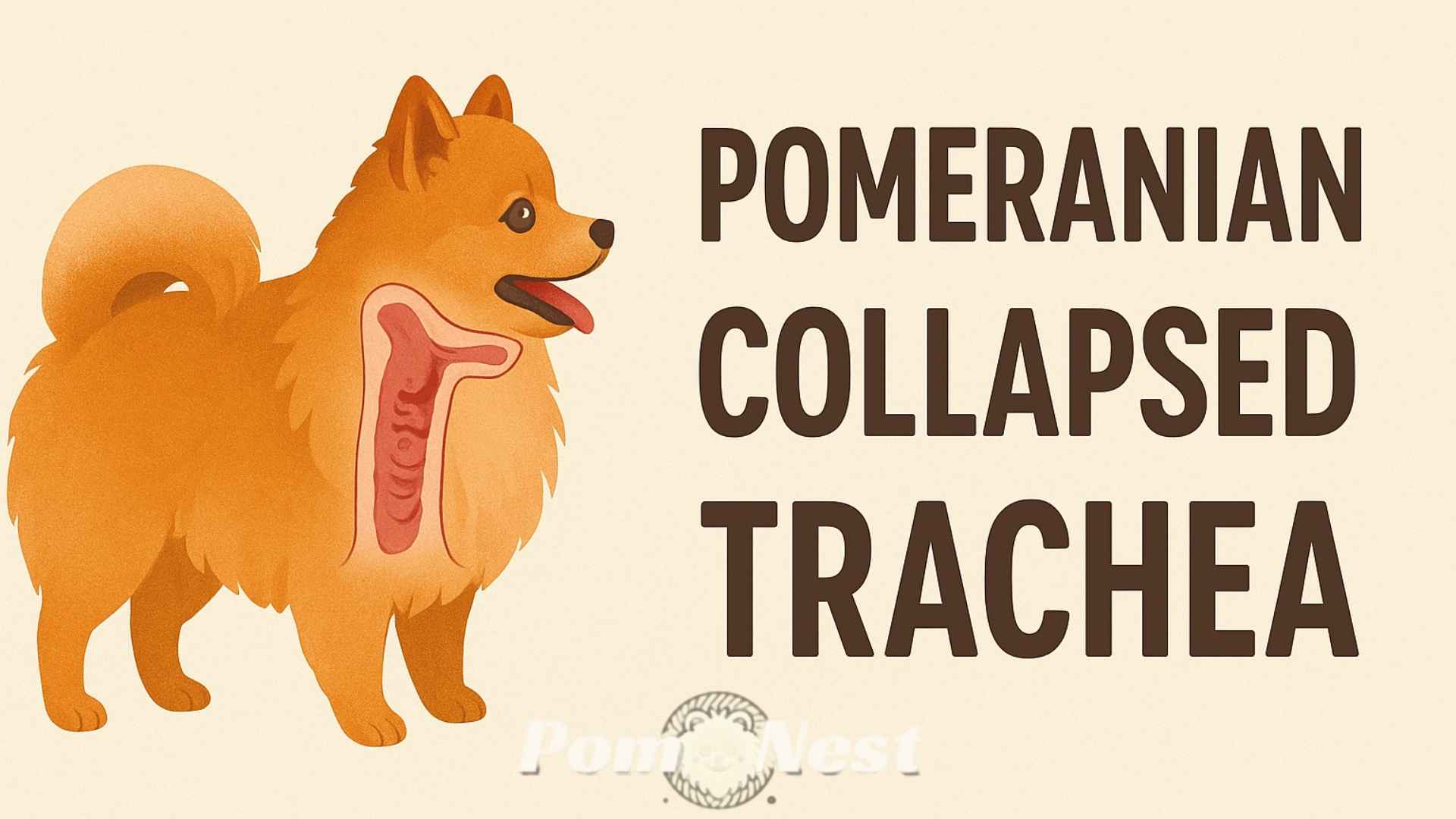
This is a specific concern for small dog breeds like the Pomeranian. Tracheal collapse is a progressive condition where the cartilage rings of the windpipe flatten, obstructing airflow. It produces a loud, dry, harsh honking sound that may be confused with the reverse sneeze, but the cough tends to be more forceful and often triggered by excitement, exercise, or pulling on the leash.
How Do You Diagnose a Pomeranian Reverse Sneeze?

Diagnosis usually begins with ruling out other possibilities, as reverse sneezing is simply a reflex.
Clinical Signs and Medical History
Your veterinarian will first ask for a detailed medical history. If you can, record a video of the event! Seeing the spasm allows the vet to differentiate the event from true breathing distress, a cough, or a seizure. The vet will use your description of the sound and the duration of the episode to help confirm it’s a reverse sneeze.
Differential Diagnosis: Ruling Out Other Causes
Because the symptoms overlap with more serious conditions affecting the upper respiratory tract, your vet will perform tests to rule them out. This process is called Differential Diagnosis.
Nasal Polyps or Tumors
The vet may perform a rhinoscopy (using a tiny camera) or X-rays to check the nasal passages for any growths like nasal polyps or tumors that could be physically blocking airflow and causing constant irritation.
Upper Respiratory Tract Infection (URTI)
The vet will check for signs of a bacterial or viral Upper Respiratory Tract Infection (URTI), which might include discharge from the eyes or nostrils, fever, or overall lethargy. Infections are typically treated with antibiotics or supportive care.
Foreign Bodies in the Nasal Passages
A dog might inhale something small like a blade of grass, a seed, or even a tiny piece of food. The presence of a foreign body in the nasal passages will cause intense, often one-sided, irritation and may require sedation and specialized equipment to remove it.
Tracheal Collapse Assessment
For your Pomeranian, a vet will pay close attention to the Trachea. Chest X-rays are the gold standard for assessing the severity of tracheal collapse. The X-ray lets the vet see if the windpipe is indeed flattening, especially near the larynx and palate where the reverse sneeze originates.
How to Treat Pomeranian Reverse Sneeze Issues

While you usually just need to wait for the spasm to pass, you can try some techniques to shorten the episode and provide comfort.
Immediate At-Home Techniques (The Two Key Words: Understanding & Calm)
The most important thing you can do for a Pom in the middle of a Pomeranian Reverse Sneeze is to stay calm. Your dog will pick up on your anxiety, which can prolong the event.
Gently Massaging the Throat
Often, a light, gentle rub of the dog’s throat area, just under the chin, can help. The act of massaging often encourages your dog to swallow, which shifts the position of the palate and can interrupt the spasm.
Briefly Pinching the Nostrils to Induce Swallowing
Another common technique is to gently hold the dog’s nostrils closed for just a second. This forces the dog to breathe through his mouth, again disrupting the reflex and often causing him to swallow.
Blowing Gentle Air on the Face
A quick puff of air on your dog’s face can be startling enough to make him briefly change his focus and swallow. This change in breathing pattern can end the reverse sneezing episode.
Offering Water or a Small Treat
Getting your dog to lick or swallow can often be enough to end the spasm. Offer a tiny bit of water or a small, enticing treat to encourage swallowing and reset the upper respiratory tract.
Changing the Environment (Moving to Fresh Air)
If the event was triggered by an airborne irritant—like a strong perfume or dust—simply moving your dog quickly to another room with fresh air can bring the spasm to a halt.
Long-Term Management and Prevention
Prevention focuses on reducing exposure to known triggers.
Switching from a Collar to a Harness
For Pomeranians, this is a non-negotiable step. Using a harness completely removes all pressure from the Trachea and greatly reduces the chance of irritation from leash pulling. This is especially vital if your dog has any risk of collapsed trachea.
Allergy Testing and Environmental Control (HEPA Filters)
If your vet suspects allergies, allergy testing can help identify triggers. For environmental control, consider using air purifiers with HEPA Filters to significantly reduce airborne dust, pollen, and irritants. Regularly washing your dog’s bedding can also help control mites.
Veterinary Prescriptions (Antihistamines, Antibiotics)
If the reverse sneezing is due to allergies, your veterinarian may prescribe Antihistamines to reduce the inflammatory response. If an infection is confirmed, a course of Antibiotics will be necessary to clear it up. Long-term steroid use is typically avoided unless necessary for severe inflammation.
Final Thoughts on Pomeranian Reverse Sneezing
Remember that while scary, the sound of a Pomeranian Reverse Sneeze is usually far worse than the event itself.
The Takeaway: It’s Usually Benign
For most Pom owners, this is simply a quirky aspect of the breed. If your dog is happy, healthy, and the episodes are short, you simply need to remain calm and perhaps try one of the immediate at-home techniques.
When Professional Advice is Non-Negotiable
If the episodes become chronic, are accompanied by other signs of illness, or if the breathing issue is more of a cough or sustained difficulty (like that associated with collapsed trachea or Heart Disease), professional veterinary advice is non-negotiable. Always consult your vet to ensure you aren’t overlooking a serious underlying condition.
⚠️ Important Veterinary Disclaimer
The content of this article is for informational purposes only and is not intended to be a substitute for professional veterinary advice, diagnosis, or treatment. Always seek the advice of your veterinarian or other qualified animal health provider with any questions you may have regarding a medical condition. Never disregard professional veterinary advice or delay in seeking it because of something you have read here.
References and Further Reading:
- VCA Animal Hospitals: Confirms that reverse sneezing is also known as paroxysmal respiration and is a generally harmless condition not associated with long-term ill effects.
- PetMD: Notes that smaller breeds and brachycephalic dogs are more susceptible, and suggests taking a video for accurate diagnosis by a veterinarian.
- Cornell University College of Veterinary Medicine: Highlights the differential diagnosis process to rule out serious conditions like tracheal collapse, heart disease, and nasal masses.
- Clarion Animal Hospital: Provides a list of common triggers, including environmental irritants, nasal infections, allergies, and the anatomical factors of small dog breeds.
- Small Door Veterinary: Explains the mechanism of the soft palate irritation causing the temporary narrowing of the trachea during the inward gasp.
People also ask:
No, reverse sneezing itself is a benign reflex that does not cause other health issues or complications; however, frequent episodes can signal an underlying issue that needs to be addressed.
Small and tiny dog breeds (like the Pomeranian) are prone due to their smaller throats, as are brachycephalic (flat-faced) breeds like Pugs and Bulldogs, which often have an elongated soft palate.
No, it is not a direct symptom, but dogs with congestive heart failure may have fluid buildup or a large heart pressing on the trachea, which can sometimes result in a cough mistaken for reverse sneezing.
Unlike the rapid, inward snorting of reverse sneezing, asthma is less common in dogs than cats and presents as an outward, wheezing sound, often signaling narrowed or inflamed lower airways.
No, reverse sneezing is not considered painful; it is a mechanical reflex caused by an irritation or spasm and is typically just alarming or momentarily uncomfortable for the dog.
You may also like


Build the Perfect Care Routine for Your Pomeranian
Select your Pom’s age, coat type, and activity level to instantly get a custom care checklist — it’s fast, free, and made with love!
Give your Pom the daily care they truly deserve.