
How Many Times a Day Should I Feed My Pomeranian? Pomeranian Feeding Guide

Lateef Bhatti
Author
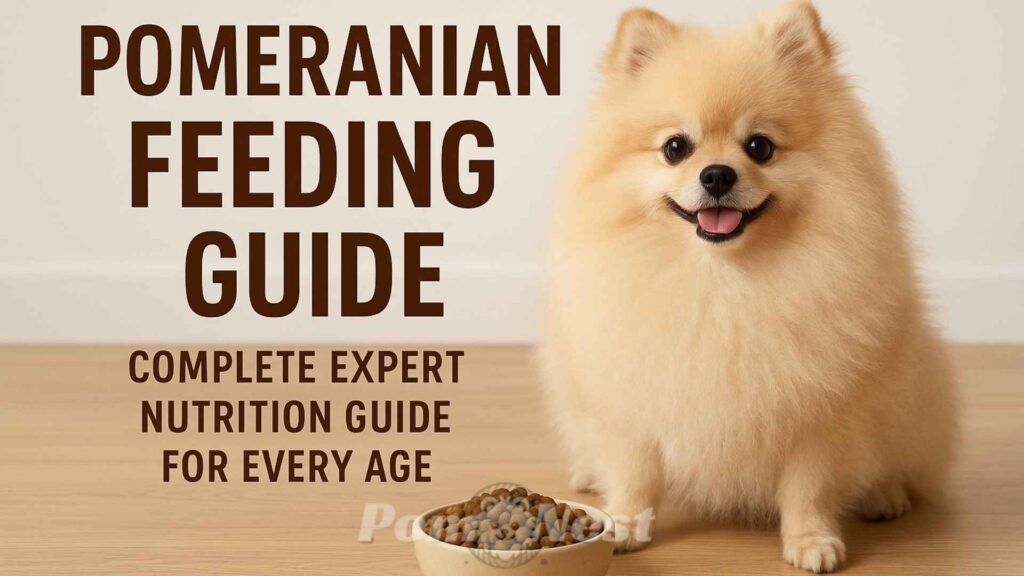
An effective Pomeranian feeding guide focuses heavily on scheduled meals and precise portion control to manage this small breed’s delicate metabolism. Puppies require frequent feedings (3-4 times daily) to prevent hypoglycemia, while adults should transition to a twice-daily schedule to maintain a healthy weight and prevent obesity. Always use high-quality, nutrient-dense small-breed kibble appropriately sized for their tiny jaws.
Overview 🐾
Bringing a Pomeranian into your home means welcoming a tiny dog with huge nutritional requirements. Getting their diet right is the best proactive measure you can take to ensure they live a long, energetic life. This crucial information starts by understanding their unique metabolism as a small breed, which burns energy much faster than larger dogs.
Table of Contents
ToggleYou need to establish a consistent Pomeranian Feeding Guide early on to support both their physical growth and their behavioral training. Our aim is to provide you with the exact tools and knowledge necessary to craft a successful nutrition plan that prevents common problems, ensuring your Pom is always healthy and happy.
Understanding Basic Nutritional Needs
A successful feeding strategy begins with selecting high-quality dog food dense in nutrients. Poms need high levels of quality animal protein to maintain their fluffy coat and lean muscle mass. Additionally, healthy fats, like Omega-3s, are vital for skin health and cognitive function, making up a significant portion of their energy intake.
How To Make Sure Your Pomeranian Stays Healthy and Fit
Preventing obesity should be a top priority for every owner, as extra weight puts undue strain on their tiny joints and heart. You must strictly control portion sizes and measure meals precisely every day instead of guessing the amounts. Combining their careful diet with regular, moderate exercise, like daily short walks, will keep their weight stable and boost their overall immune system health.
Special Considerations
Because of their small size, Poms are inherently vulnerable to certain health issues, most notably hypoglycemia (low blood sugar), especially when they are young puppies. This condition is why frequent meals are non-negotiable for young dogs. Furthermore, Poms can have sensitive digestive systems, so always introduce any new food gradually over several days to avoid painful tummy upsets.
Core Feeding Methods: Debate and Practice

Owners usually choose between two main feeding styles: scheduled meals or free feeding. Each method has pros and cons, and the right choice depends on your dog’s age, personality, and training needs. Understanding both options helps you choose the method that supports your dog’s health and behavior.
Scheduled Meals for Your Pomeranian
Scheduled meals mean you offer food at set times during the day. This method works well for most Pomeranians because it helps with housebreaking, training, and healthy digestion. It also allows you to control calories so your dog stays at a healthy weight.
Scheduled Feeding Pomeranian (Pros and Cons)
Pros:
Helps avoid obesity
Makes housebreak training easier
Encourages better eating habits
Allows portion control
Cons:
Not suitable for dogs with severe hypoglycemia
Requires your daily routine to stay consistent
Free Feeding Pomeranian (pros and cons)
Pros:
Good for dogs that self-regulate
Handy for busy owners
Ideal for dogs with stable digestion
Cons:
High risk of obesity
Makes training harder
You can’t track appetite changes
Food may lose freshness
Is a Pomeranian Feeding Schedule, or is Pomeranian Free Feeding Correct?
A feeding schedule is the safest method for most Pomeranians because it helps control weight and supports training. Free feeding works only when the dog naturally eats small amounts throughout the day. If your dog overeats, scheduled feeding is the better choice.
Age-Specific Requirements and Schedules

Pomeranians need different food, portions, and feeding frequencies depending on age. Puppies require more frequent meals, adult dogs need stable portions, and seniors may need softer kibble or reduced calories.
Age-Specific Feeding Requirements
Puppies need high-calorie meals for growth. Adults need balanced nutrition to maintain their weight and energy. Seniors may need support for joints, digestion, and overall health. Age affects metabolism, which affects how much food your dog needs.
Pomeranian Puppy Feeding Schedule
Pomeranian puppies should be fed 3–4 times a day. Their small stomachs can’t hold large amounts of food at once, and frequent meals prevent drops in blood sugar. A stable feeding schedule supports healthy growth and good eating habits.
How Much Should You Feed a Pomeranian Puppy?
You should feed a Pomeranian puppy small meals throughout the day based on their weight and age. Most puppies need between ¼ to ½ cup of high-quality kibble daily, divided into several meals. Adjust portions if they seem too thin or too chubby.
What Should You Feed Pomeranian Puppies?
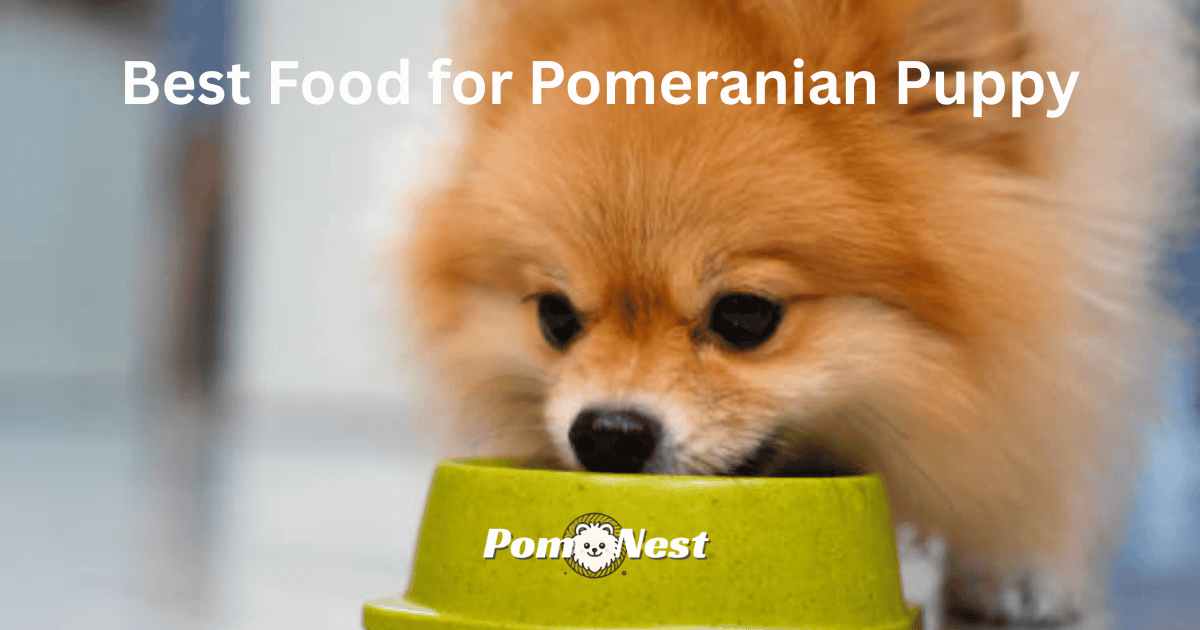
Feed Pomeranian puppies small-breed puppy kibble with high protein and fat. Look for formulas that support brain development, bone growth, and a healthy coat. Avoid large kibble pieces or low-quality food with fillers.
Adult Pomeranian Feeding Schedule
Adult Pomeranians usually do well on two meals a day. This schedule keeps their energy stable and prevents overeating. Feeding early in the morning and early evening works best because it matches their natural activity levels.
How Much Should You Feed an Adult Pomeranian?
Most adult Pomeranians need between ¼ and ¾ cup of food daily depending on activity level, size, age, and metabolism. Some active dogs may need a little more while indoor or lazy dogs may need less.
| Weight of Pomeranian | Daily Food Amount | Meals per Day | Best Feeding Times |
|---|---|---|---|
|
2–3 lbs |
¼ cup |
2 |
8 AM, 6 PM |
|
3–5 lbs |
⅓–½ cup |
2 |
8 AM, 6 PM |
|
5–7 lbs |
½–¾ cup |
2 |
7 AM, 5 PM |
|
Puppy (0–6 months) |
¼–½ cup |
3–4 |
7 AM, 12 PM, 5 PM |
|
Senior |
¼–½ cup |
2 |
9 AM, 5 PM |
How Often Should I Feed My Pomeranian?
Feed puppies 3–4 times a day and adults twice a day. This schedule keeps energy levels even and supports digestion. Seniors may need the same routine but with lighter portions.
How Many Treats Should I Feed My Pomeranian?
Treats should make up no more than 10% of your dog’s daily calories. Too many treats can lead to obesity and digestive issues. Stick to small, healthy snacks like freeze-dried meat or tiny training treats.
Food Selection and Types
Choosing the right food is essential because Pomeranians need nutrient-dense meals. Small-breed formulas are ideal since they match their calorie needs and jaw size. You can choose dry food, wet food, raw, or fresh recipes depending on what suits your dog.
Recommended Dog Food for Pomeranians
Choose high-quality kibble that includes real protein, balanced fats, and limited fillers. Small-breed formulas often include the right nutrients and kibble size. Foods with omega-3s support a healthy coat and brain.
Best Food to Feed a Pomeranian
The best food is one that fits your dog’s age, activity level, and digestive system. Many Pomeranians do well with dry kibble, but you can mix in wet food for flavor or moisture. Avoid low-quality brands that rely on artificial colors or heavy grains.
Pomeranian Food Recipes
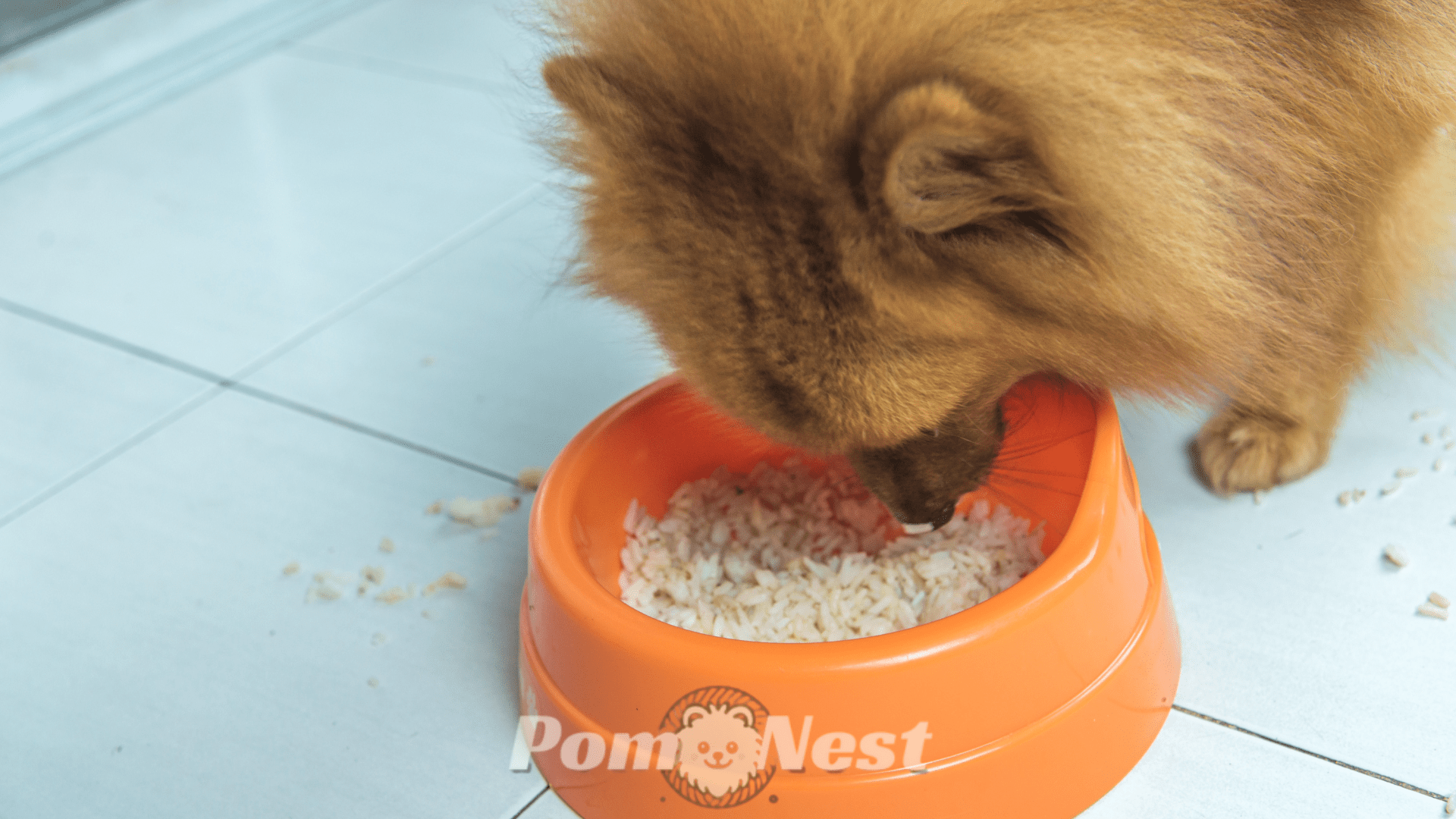
Homemade recipes are an option if you balance nutrients. Simple meals made from chicken, rice, vegetables, and healthy oils can work well. Always ensure your recipe includes protein, fat, vitamins, and minerals.
Wet Food
Wet food offers moisture and flavor, which helps picky eaters. It’s softer, so it works well for senior dogs or those with dental issues. However, it can be more expensive and spoil quickly.
Dry Food
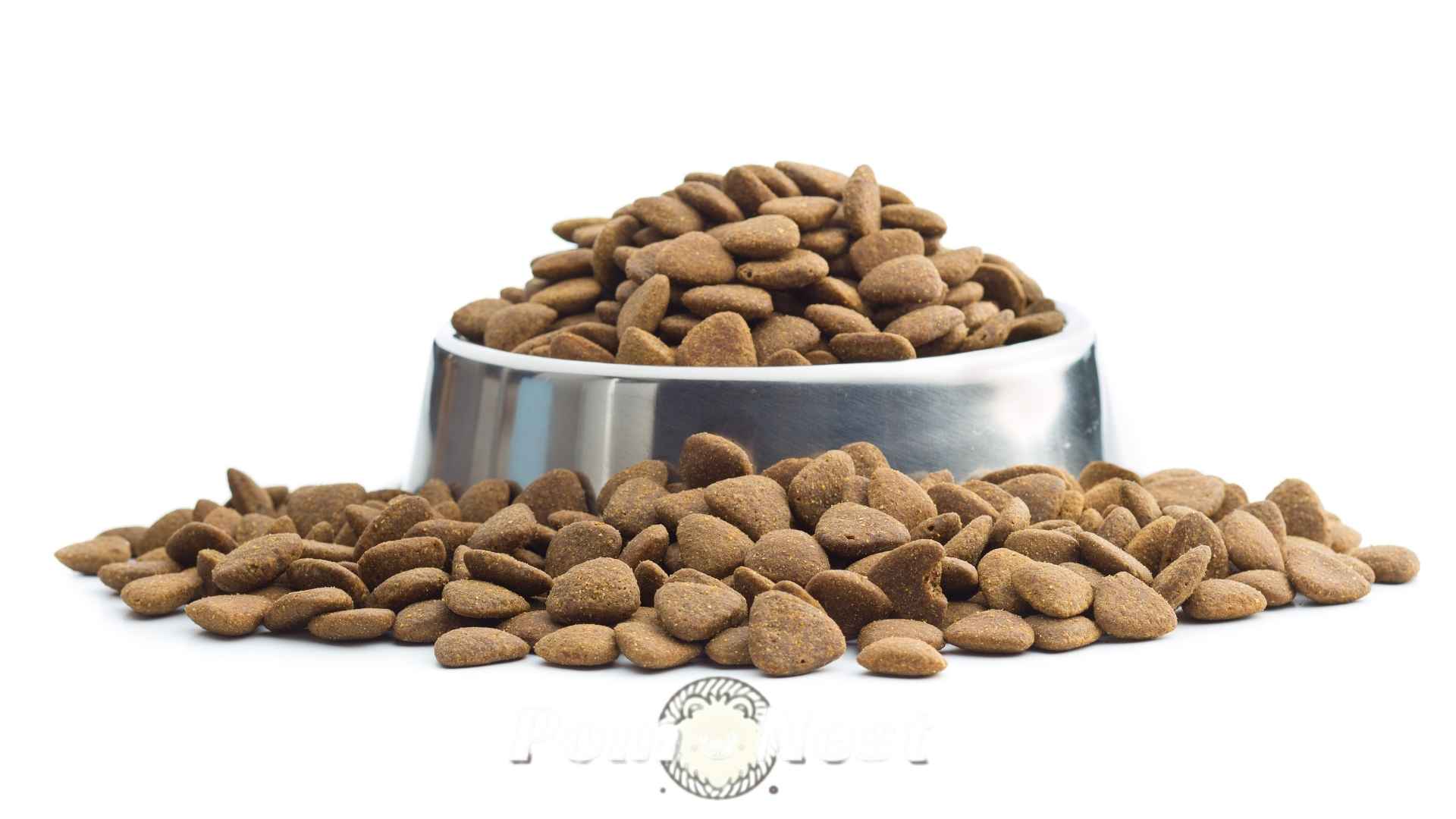
Dry food keeps teeth cleaner and is easy to store. Kibble also helps with portion control and digestion. Small-breed kibble formulas fit Pomeranian jaws perfectly.
Raw Diet
A raw diet can work for some dogs if it’s balanced and safe. Raw meals usually include meat, organs, and bones. Make sure the diet is complete and avoid unsafe ingredients.
Look at : Hill’s Science Diet Pomeranian
Common Issues and Mistakes
Some owners overfeed treats or pick poor-quality food. Others free-feed without realizing it leads to obesity. A common mistake is switching food too quickly, which causes stomach upset. Another issue is skipping meals for stressed dogs, which can affect their blood sugar.
People also ask:
Transition gradually over 7 to 10 days by mixing increasing amounts of the new food with decreasing amounts of the old food to prevent stomach upset and maintain gut health.
Yes, Pomeranians should always eat small-breed kibble; the smaller size prevents choking hazards and is specifically shaped to help reduce dental plaque buildup.
Most Poms should transition from a puppy formula to an adult maintenance diet around 10 to 12 months of age, once they’ve reached their full adult height and weight.
Common signs include excessive itching, scratching, paw licking, chronic ear infections, or recurring gastrointestinal issues like vomiting or diarrhea after eating.
Yes, the senior Pomeranian Feeding Guide suggests switching to a senior formula that is lower in calories to prevent age-related weight gain and often includes added joint support.
You may also like

Build the Perfect Care Routine for Your Pomeranian

Select your Pom’s age, coat type, and activity level to instantly get a custom care checklist — it’s fast, free, and made with love!
Give your Pom the daily care they truly deserve.