
How Much Does a Pomeranian Cost? 2026 Price & Ownership Guide

Lateef Bhatti
Author
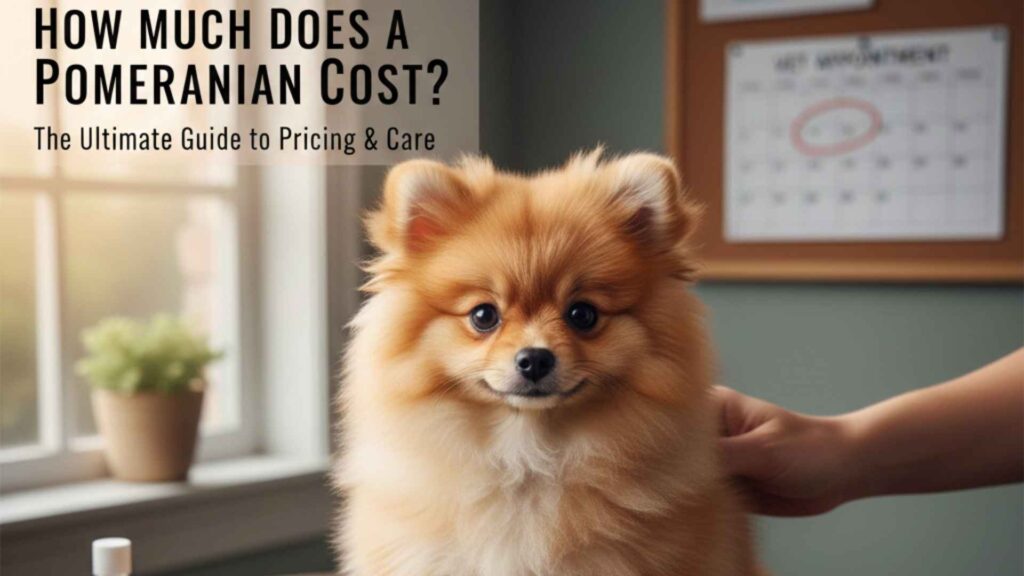
A Pomeranian costs between $1,000 and $5,500 to buy from a breeder, though adoption is much cheaper at $100 to $500. Beyond the starting price, you should plan to spend about $100 to $200 every month on food, toys, and professional haircuts. Because these dogs live a long time and need special health care, the total cost to own one for its whole life can reach over $20,000.
What Is the Actual Purchase Price of a Pomeranian in 2026?
Most pet-quality Pomeranians from ethical, health-testing breeders cost between $1,500 and $3,500. If you are seeking “Teacup” sizes or rare “lavender” or “blue” coats, expect to pay a premium of $4,000 to $10,000 due to the extreme demand and specialized breeding care required.
Table of Contents
ToggleA higher price tag from a Senior Breeder isn’t just a “brand name” markup. It covers critical expenses that save you money in the long run. These breeders invest in genetic screenings for the parents, such as OFA clearances for knees and hearts.
They also prioritize early socialization. This is the difference between a confident dog and one that spends its life shaking under a sofa. When you buy a $2,000 puppy, you are paying for the peace of mind that the dog’s temperament has been shaped by experts from day one.
Information Gain: The “Big Dog” Sledding History
Most owners don’t realize that Pomeranians are miniaturized Sled Dogs. Descended from the German Spitz, their ancestors once weighed 30 pounds and pulled sleds across snowy terrain.
This “hidden” history explains why your 5-pound Pom thinks they can take on a Doberman at the dog park. They aren’t just being “bossy”; they still have the working-class soul of an Arctic traveler.
Why Is the Initial Setup Cost Higher Than Expected?

Your first month of ownership will likely run you an additional $800 to $1,200 beyond the purchase price. This “New Puppy Tax” includes the essential gear required to keep a fragile toy breed safe.
Pomeranians have very specific needs. You cannot just buy a standard collar; their tracheas are prone to collapse, meaning a high-quality Y-frame harness is a mandatory safety expense.
You will also need a “safe zone.” Because they are so small, Poms are easily stepped on or injured by falling objects. Investing in a sturdy exercise pen (X-pen) and a plush, high-walled bed helps them feel secure while protecting them from household foot traffic.
The Essential New Pom Checklist
- Safety Harness: $25 – $40 (Avoid collars to protect the windpipe).
- Professional Grooming Kit: $100 – $150 (Slicker brushes, combs, and detanglers).
- High-Calorie Puppy Paste: $15 (Essential for preventing hypoglycemia in tiny pups).
- Travel Carrier: $50 – $80 (Poms should always be contained in cars for safety).
- Initial Vet Exam & Boosters: $150 – $300.
How Much Does a Pomeranian Cost Per Month?
A healthy Pomeranian typically costs $100 to $200 per month. This budget covers high-quality small-breed kibble, monthly heartworm/flea prevention, and a professional grooming session every six weeks.
The Reddit community at r/Pomeranians often notes that dental health is the “silent” monthly cost. Because of their tiny mouths, Poms are prone to overcrowding and rapid plaque buildup. Budgeting for dental chews, water additives, or even professional cleanings is non-negotiable for the breed.
Monthly Expense Comparison Table

Does Coat Color and "Type" Affect the Price Tag?
Yes, color is one of the biggest price drivers in the 2026 market. While traditional “Orange” or “Sable” Poms remain popular and more affordable, the “Exotic” colors come with a massive markup.
Merle Pomeranians—which feature mottled patches of color—are currently the most expensive. However, as an expert auditor, I must warn you: breeding two merles together can lead to “Double Merle” puppies, which are often born blind or deaf. Always ask a breeder for genetic color testing results before paying a $5,000+ premium for a rare coat.
The “Fox” vs. “Teddy Bear” Face
You will often see breeders advertise “Teddy Bear” Poms. These have shorter muzzles and rounder heads. While adorable, these features can sometimes lead to increased respiratory issues. The “Fox Face” (the traditional breed standard) is often slightly cheaper and generally healthier due to better airflow.
What Are the Hidden Health and Genetic Costs?

Potential health costs can range from $500 for minor issues to $5,000+ for surgeries. Pomeranians are genetically predisposed to several conditions that require a “rainy day” fund.
Luxating Patella is the most common issue. This occurs when the kneecap slips out of place. While some dogs live with it comfortably, severe cases require surgery costing $2,000 to $3,500 per knee.
Black Skin Disease (Alopecia X) is another breed-specific quirk. It causes patches of hair loss. While not painful, treating it involves expensive hormonal supplements and specialized dermatological shampoos to keep the skin healthy.
Health & Genetics Safety Note:
- Tracheal Collapse: If you hear a “honking” cough, seek a vet immediately.
- Hypoglycemia: Tiny puppies can have sudden drops in blood sugar; keep Nutri-Cal on hand.
- OFA Clearances: Always ask to see the parents’ knee and heart scores.
- Consult with a veterinarian for a personalized health plan.
The Owner’s Perspective: What Is It Like to Live With a Pom?
Living with a Pom is like living with a very small, very fluffy shadow. They are “Velcro dogs” who will follow you from the kitchen to the bathroom, often performing the famous “Pom-Pom Spin”—a dizzying 360-degree dance—when they are excited.
The Bark Factor: We have to be honest: Poms are vocal. They are “alert barkers,” meaning they will notify you if a leaf blows across the driveway or a neighbor shuts their car door three houses down. This can be managed with training, but if you live in a thin-walled apartment, this is a “cost” of time and training you must factor in.
The Shedding Reality: They have a double coat. This means they don’t just shed; they “blow” their coat twice a year. During these months, your house will be covered in fine, white tumbleweeds of fur. Daily brushing isn’t just a suggestion; it’s a requirement to prevent painful matting near the skin.
Can You Own a Pomeranian on a Budget?
You can save over $1,000 annually by mastering the art of DIY maintenance. While the initial purchase price is hard to avoid, the upkeep is flexible.
Grooming: A professional groomer costs $60-$90 per visit. By investing in a high-velocity dryer and a professional-grade slicker brush, you can extend the time between appointments.
Adoption: If the $3,000 price tag is too high, look into breed-specific rescues like Pawsitively Pom Rescue. Adoption fees are usually $250 to $500 and often include the cost of spaying/neutering, which would otherwise cost you $300-$600 at a private clinic.
Information Gain: The “Monkey Stage” Discount
If you are looking for a deal from a breeder, ask about “older puppies” (5–7 months). This is the “Pomeranian Monkey Stage.” At this age, puppies lose their baby fluff and look gangly, with patchy fur and long ears. Many people want the 8-week-old “puffball,” so breeders may lower the price for these “ugly ducklings” who are just weeks away from growing into stunning adults.
What Is the Lifetime Financial Commitment?

When you add up the purchase price, food, medical care, and grooming over a 15-year lifespan, the numbers are eye-opening.
- Purchase Price: $2,500
- Annual Care ($1,500 x 15 years): $22,500
- Senior Medical Care (Years 12-15): $3,000
- Total: $28,000
This figure might seem daunting, but spread over 15 years, it represents the price of a daily cup of high-end coffee. For most Pom owners, the “Return on Investment” in the form of loyalty, protection (barking!), and constant companionship is priceless.
Training and Socialization Costs
Pomeranians are surprisingly smart—they rank high in agility and can learn complex tricks. However, they are also famously stubborn.
Investing in a Professional Puppy Kindergarten class ($150–$250) is highly recommended. Because Poms are so small, owners often let them get away with “Small Dog Syndrome” (biting, excessive barking, or jumping). Training ensures your $3,000 investment is a well-behaved member of society rather than a tiny terror.
Social Proof: The Community Verdict
On forums like Quora and specialized breed clubs, the consensus is clear: Never skip the harness. Veteran owners report that the cost of treating a collapsed trachea due to collar use far outweighs the $30 cost of a premium harness. Community data also suggests that Poms who receive daily dental brushing live, on average, 2 years longer than those who don’t.
Final Thoughts: Is the Price Tag Worth It?
The question of “How much does a Pomeranian cost?” is really about more than just the dollars. It is about whether you are ready for the lifestyle. You are paying for a companion that will treat you like the center of the universe.
Whether you choose a “show-stopper” with a champion lineage or a senior rescue who just needs a warm lap, the Pomeranian offers a unique blend of sass and sweetness. If you can handle the grooming and the vocal nature, you will find that a Pom is the best investment you’ll ever make.
People also ask:
In 2026, a well-bred Pomeranian puppy typically costs between $1,500 and $4,000. This price includes health testing of the parents, initial vaccinations, and a health guarantee.
“Teacup” is a marketing term for Poms that fall below the standard 3–7 pound weight range. They are expensive (often $5,000+) because they are difficult to breed safely and require intensive around-the-clock care during their first few months of life.
Yes, compared to other small breeds. Their double coat requires professional grooming every 4-6 weeks ($60-$90 per session), and their susceptibility to dental issues and luxating patellas can lead to high veterinary costs as they age.
Adoption is the most cost-effective route. Breed-specific rescues or local shelters often have Poms or Pom-mixes for an adoption fee of $100 to $400, which usually covers their spay/neuter and shots.
They are generally healthy but are prone to specific genetic issues like Tracheal Collapse, Luxating Patella, and Alopecia X. Purchasing from a breeder who performs OFA and CERF testing can significantly reduce the risk of these expensive conditions.
Highly recommended. Given their fragility and propensity for knee issues, a monthly premium of $30-$50 can save you from a surprise $3,000 surgery bill later in the dog’s life.
You may also like









Build the Perfect Care Routine for Your Pomeranian

Select your Pom’s age, coat type, and activity level to instantly get a custom care checklist — it’s fast, free, and made with love!
Give your Pom the daily care they truly deserve.