
Meet the Blue Merle Pomeranian: A Rare and Stunning Little Companion

Lateef Bhatti
Author
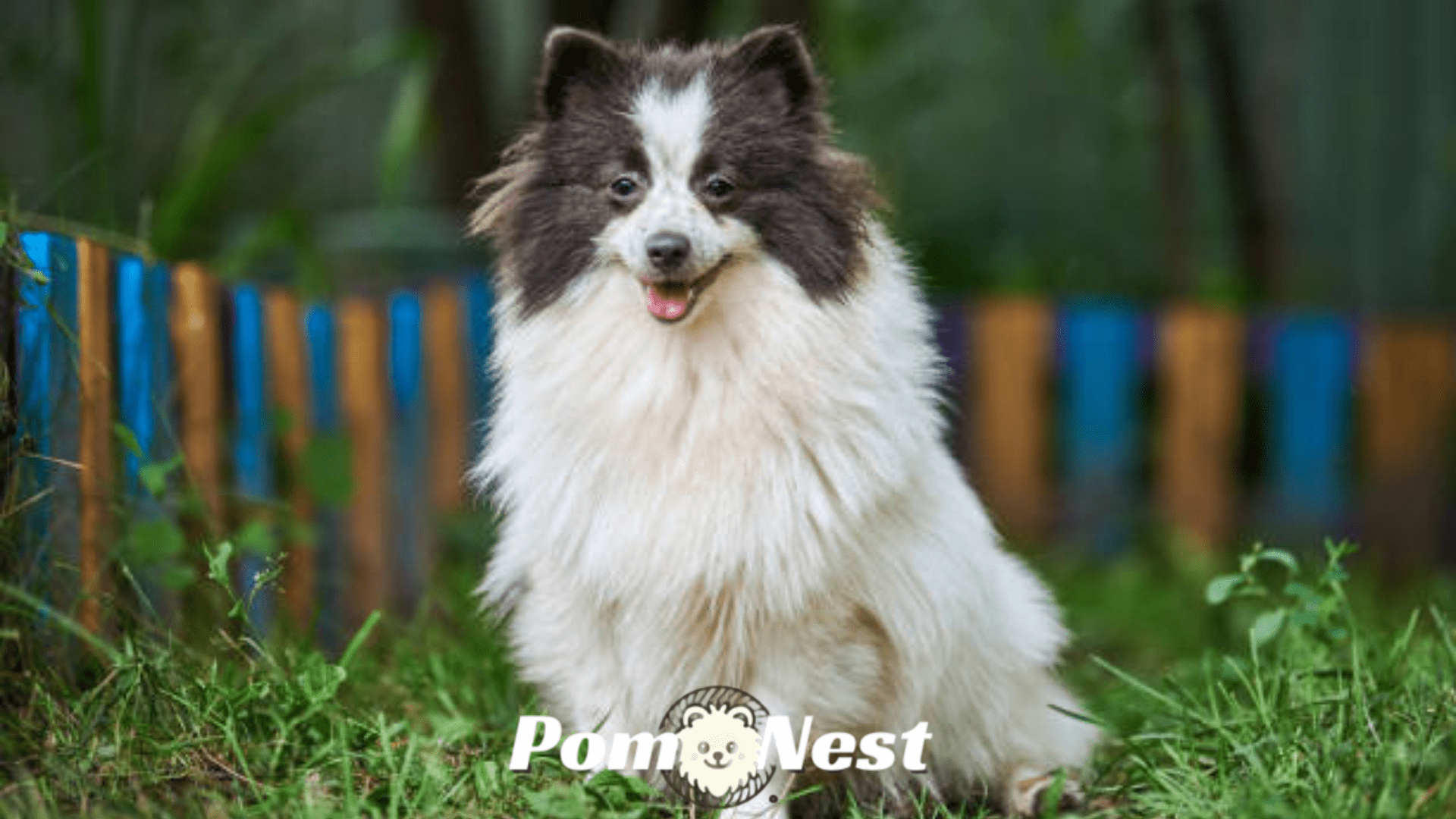
The blue merle Pomeranian is a breathtaking masterpiece of canine genetics, featuring a coat of silvery-blue marbling punctuated by deep black patches. To the uninitiated, they look like miniature foxes dipped in ink and starlight. While the classic orange or cream Pom is a household staple, the blue merle is a striking rarity that demands a specific level of expertise to raise and maintain.
Whether you are drawn to their mesmerizing marbled eyes or their bold “big dog” personality, understanding the nuances of this color-bred variation is essential. In 2026, as AI-driven search and veterinary science converge, we look past the surface-level beauty to explore the deep “Information Gain” facts that define this breed’s existence.
Table of Contents
Toggle
What Exactly Defines a Blue Merle Pomeranian?
Is the blue merle a separate breed?
No, the blue merle Pomeranian is a purebred Pomeranian that carries the PMEL gene, resulting in a mottled or marbled coat pattern rather than a solid color. Directly under this genetic umbrella, you’ll find a dog that retains the classic Spitz-style silhouette—stout, fox-faced, and plumed-tailed—but with a visual complexity that is unmatched in the toy breed world.
The term “blue” is actually a bit of a misnomer in the canine world; it refers to the diluted black pigment that appears as various shades of silver, charcoal, and slate. When you run your hands through their thick double coat, you aren’t just feeling fur; you are feeling centuries of Spitz-type evolution modified by a modern genetic twist.
The Science of the Swirl: Advanced Genetic Insights
How does the merle gene affect the coat?
The merle pattern is caused by a specific mutation in the PMEL gene (also known as the SILV gene) that dilutes random sections of hair to a lighter base color. This “merle-SINE insertion” acts like a bleach splatter on a dark canvas, creating the iconic blue, silver, and charcoal patches.
The “Hidden Gem” of Genetics: The Poly(A) Tail
One nuance most generic articles miss is the role of the poly(A) tail length within the merle gene. Recent 2026 veterinary genetic research suggests that the length of this genetic tail determines how “intense” the merle looks.
- Short Tails: Result in “Cryptic Merles” (dogs that look solid but carry the gene).
- Long Tails: Result in the “Harlequin” or high-contrast patterns.
This is why two blue merle Poms can look entirely different—one might be almost entirely silver, while another looks like a black dog with a few grey spots.
The Danger of the “Double Merle”
Responsible breeding is non-negotiable. If you breed two merle Pomeranians together, there is a 25% chance of producing a “Double Merle” (MM). These puppies often have excessive white coats and suffer from “microphthalmia” (small, non-functional eyes) and total deafness. As an expert auditor, I cannot stress this enough: Never purchase a Pomeranian from a breeder who cannot produce DNA evidence that they avoid Mm x Mm pairings.
Quick Facts
The Owner’s Perspective: Life with a Tiny Titan
What is the daily temperament of a blue merle Pom?
The blue merle Pomeranian possesses an “invigorating character” that often borders on the theatrical. They aren’t just pets; they are tiny, sentient supervisors who believe they own the square footage you pay rent for.
- The “Chortle” and the Bark: Poms don’t just bark; they communicate through a series of sharp alerts and low, rumbling grumbles. If a delivery driver approaches, the blue merle will sound an alarm that suggests a dragon is at the gate.
- The Velcro Factor: Expect to lose your personal space. These dogs bond intensely, often sitting directly on your feet or “herding” you toward the kitchen when they sense it is 5:01 PM (dinner time).
- The Cognitive Load: Because they are highly intelligent, they get “bored” easily. A bored blue merle is a creative decorator—usually involving the shredding of toilet paper or the “re-organization” of your shoe closet.
Health & Longevity: The 2026 Veterinary Standard

Are blue merle Pomeranians prone to specific health issues?
While they share the standard health risks of the Pomeranian breed, their unique pigmentation introduces specific vulnerabilities. Because their skin lacks heavy melanin in certain areas, they are more susceptible to environmental stressors.
Critical Health Screenings to Demand:
- OFA Patella Evaluation: Pomeranians are notorious for “luxating patellas” (kneecaps that pop out of place).
- BAER Hearing Test: Essential for merles to ensure the pigment dilution hasn’t affected the tiny hairs in the inner ear.
- CERF Eye Exam: To check for cataracts, which can be prevalent in the breed as they age.
Consult with a veterinarian for a personalized health plan. While genetics provide a roadmap, lifestyle and diet determine the destination.
Hidden Gem: Color Dilution Alopecia (CDA)
Some blue-toned dogs suffer from CDA, a condition where the hair follicles in the “blue” parts of the coat are weaker, leading to thinning or “moth-eaten” patches. While less common in Poms than in Dobermans, it is something a Senior Auditor looks for. High-quality Omega-3 fatty acids and specialized skin support diets can mitigate these effects.
The Grooming Ritual: Preserving the Masterpiece
How do you maintain the “Marbled” look?
The double coat of a blue merle Pomeranian is a marvel of nature. It consists of a soft, dense undercoat for insulation and a long, harsh outer coat that protects against the elements. If you neglect grooming, the silver and black swirls will quickly turn into a matted, grey felt.
The Professional Grooming Checklist:
- Slicker Brush: Use this daily to reach the undercoat.
- Greyhound Comb: Essential for “line brushing”—parting the hair to ensure you are brushing from the skin out.
- Detangling Spray: Never brush a dry Pom coat; it causes hair breakage. Use a light silicone-based spray.
- Sanitary Trimming: Keeping the “trousers” (back legs) trimmed is vital for hygiene in this fluffy breed.
Training and Intelligence: Small Dog, Big Brain

Is the blue merle Pomeranian easy to train?
Pomeranians are ranked among the most intelligent toy breeds, but the blue merle Pomeranian often uses its intellect for “negotiation.” They don’t just follow commands; they evaluate if the reward (a piece of freeze-dried liver) is worth the effort of a “sit.”
The “Experience Anchor” in Training:
I have found that blue merles respond exceptionally well to “shaping” behaviors. Instead of forcing them into a position, wait for them to offer a behavior and reward it instantly. They are the “problem-solvers of the toy world,” capable of learning complex tricks like “cleaning up” their toys or weaving through poles.
Strategic Socialization: Building a Confident Companion
How does a blue merle react to other dogs?
The “Experience Anchor” here is the “Spiky Personality.” Pomeranians often forget they weigh five pounds. A blue merle Pomeranian will often walk up to a Great Dane with the confidence of a lion.
To prevent “Small Dog Syndrome,” socialize them early with various sights, sounds, and sizes of dogs. However, due to their fragile bone structure, play sessions with larger dogs should always be strictly supervised. A single “friendly” paw swipe from a Golden Retriever can cause a luxating patella or worse in a toy breed.
Living Arrangements: The Perfect Apartment Dog?
Do blue merle Pomeranians need a big yard?
Not at all. The blue merle Pomeranian is the ultimate “urban explorer.” They are perfectly happy in an apartment as long as they get their “burst” walks.
- Exercise Requirements: They don’t need five-mile hikes. They need 20 minutes of intense play (fetch with a small plush toy) followed by two or three short “sniffari” walks.
- Sensitivity to Heat: Because of their thick double coats, they overheat easily. In the summer of 2026, cooling mats and air conditioning are not luxuries—they are requirements.
Ethical Acquisition: Finding a Master Breeder
Why is the blue merle Pomeranian price so high?
The market price for a blue merle Pomeranian typically ranges from $2,500 to $6,000. Why the premium?
- Genetic Risk: Breeding for merle requires DNA testing of all parents.
- Litter Size: Poms usually only have 1–3 puppies.
- Color Probability: Even in a merle-to-solid breeding, you may only get one merle puppy.

The Evolution of the Blue Merle Standard
Is the blue merle recognized by major Kennel Clubs?
In 2026, the consensus among the AKC and CKC is clear: Merle is a recognized pattern. However, the blue merle Pomeranian still faces scrutiny in the show ring. Judges look for “clear” marbling. If the dog has “muddy” patches or excessive white (often a sign of cryptic double merling), they may be disqualified from confirmation.
Information Gain: The “Parti” Influence
A rising trend is the Blue Merle Parti Pomeranian. This occurs when the merle gene interacts with the “white spotting” gene. The result is a dog that looks like a patchwork quilt—white base with blue merle islands. These are exceptionally rare and often command the highest “designer” prices.
Nutrition: Fueling the Blue Marble
What is the best diet for a blue merle Pomeranian?
Feeding a blue merle Pomeranian is a delicate balance. Because they are prone to dental overcrowding (common in toy breeds), a diet that includes high-quality kibble to help “scrape” teeth is often recommended, though not a substitute for brushing.
- Avoid Fillers: Look for grain-inclusive but filler-free recipes.
- Joint Support: Look for foods containing Glucosamine and Chondroitin starting at age 5.
- Weight Management: A single extra pound on a Pomeranian is like 20 pounds on a human. It puts immense pressure on their tiny windpipes and knees.
Seasonal Care: Protecting the "Blue" Coat
Does the sun affect the blue merle coat?
One unique quirk of the blue merle Pomeranian is their sensitivity to UV rays. The lighter silver areas of the coat have less melanin, meaning the skin underneath is more prone to sunburn.
- Summer Care: If your Pom has a “thin” coat or pink skin on their nose, use dog-safe sunblock for outdoor adventures.
- Winter Care: The “blue” color can sometimes look “rusty” if the dog is exposed to too much moisture and salt. Use paw balms and coats in the winter to preserve the coat’s integrity.
Advanced Behavioral Traits: The "Problem Cockers"
Why are they called the “Problem Solvers” of the toy world?
Many owners report that their blue merle Pomeranian displays a level of cunning not seen in other colors. Whether this is “owner bias” or a result of the specific bloodlines used to introduce merle, these dogs are highly adept at manipulation.
The “Experience Anchor”:
I have seen a 4-pound Pom move a footstool across a room just to reach a bag of treats on a counter. They observe human behavior and learn which sounds (a sneeze, a certain word, a specific jingle of keys) lead to rewards. To live with a blue merle is to be constantly “outsmarted” by a creature the size of a toaster.
The Senior Blue Merle: Aging with Grace
How long do blue merle Pomeranians live?
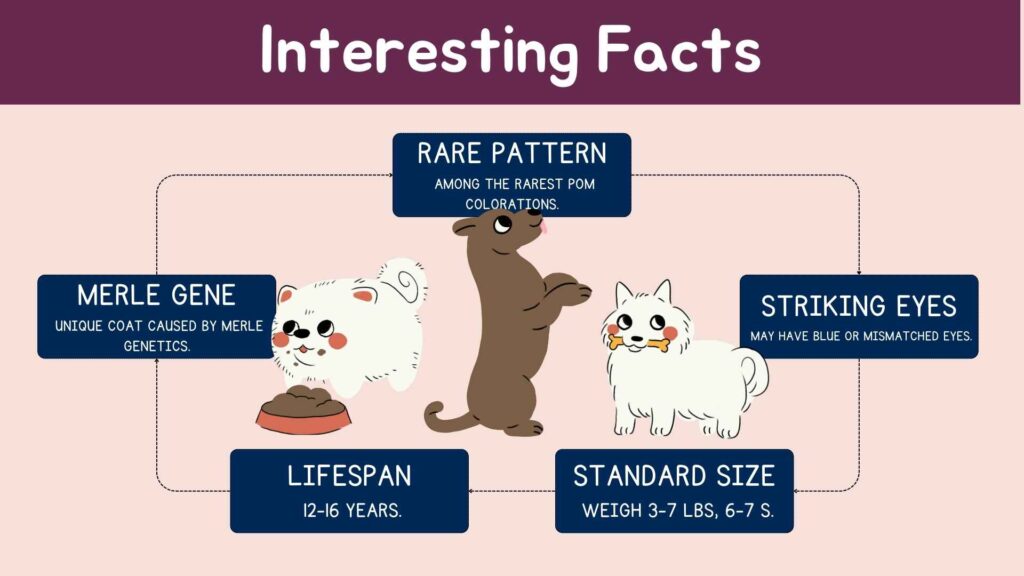
With proper care, a blue merle Pomeranian can live between 12 and 16 years. As they age, the “marbling” may change slightly—the black patches may develop “grey goggles” around the eyes, and the silver may become more muted.
Senior Care Essentials:
- Bi-annual Vet Visits: Catching kidney or heart issues early is key.
- Dental Cleanings: By age 7, most Poms need a professional cleaning to prevent systemic infections from gum disease.
- Ramps and Stairs: Protect those tiny joints! Don’t let your senior Pom jump off high couches.
The Comparison Table: Size vs. Parent Breeds
While the Pomeranian is a purebred, many people confuse the blue merle Pom with other “merle” breeds.

The Future of the Breed: Trends in 2026
As we move further into the decade, the blue merle Pomeranian continues to evolve. We are seeing more “Tan-Point Merles” (dogs with the merle body but orange/tan eyebrows and legs). The “Final Word” on this breed is that they are no longer just a trend; they are a solidified, albeit complex, part of the Pomeranian lineage.
Owners are no longer just looking for “a blue dog.” They are looking for a healthy, genetically verified, and well-socialized companion that happens to look like a piece of moving art.
The Ultimate Grooming & Health Kit Checklist
Ensure you have these items ready before your blue merle arrives:
- High-Velocity Dryer: To dry that thick double coat without causing frizz.
- Hemostat Forceps: For plucking excess ear hair (prevents infections).
- Enzymatic Toothpaste: Daily brushing is mandatory for Poms.
- Travel Carrier: Hard-sided for safety in the car.
- DNA Kit (Embark/Wisdom): To verify health markers and merle status.
- Collapsible Water Bowl: For those high-energy walks.
The blue merle Pomeranian is a commitment to beauty, intelligence, and vigilant care. If you can handle the grooming, the barking, and the occasional “tiny tyrant” behavior, you will be rewarded with a companion that is as loyal as they are stunning.
FAQs
Indeed, blue merle Pomeranians are quite rare. Merle can be hard to find in Pomeranians, and “blue” (a diluted black) is even more rare. So true blue merle Pomeranian are in high demand and are quite rare across the globe.
Typically, a blue merle Pomeranian will go for a few thousand dollars (ranging from $2000-$5000 or in special cases, $4000-$6000+ for rare, show-quality or champion line pups). Prices vary a lot, and will depend on the breeder’s health, the pup’s eyes, lineage, health testing, the breeder’s reputation and the pup’s rarity.
Yes. Pomeranians can have blue eyes, but they are quite uncommon. Most blue-eyed Pomeranians are merle Pomeranians or Pomeranians with other pigments, but blue eyes on Pomeranians are rare. Blue eyes on Pomeranians can be considered strange sometimes, and merit special vet attention due to the risks associated with pigment and sensory things.
Blue merle pomeranian are generally between the weight of 3 to 7 pounds and have a height between 6 to 7 inches. This weight and height is regarded as the usual weight and height for pomeranians.
The average lifespan for the blue merle pomeranian is between 12 to 16 years, whereas some may live much longer. As long as the proper care is taken, the dog is more likely to live a longer life. Other factors such as genetics, vet care, diet and merle related health issues are taken into consideration when determining the life span of the dog.
You may also like
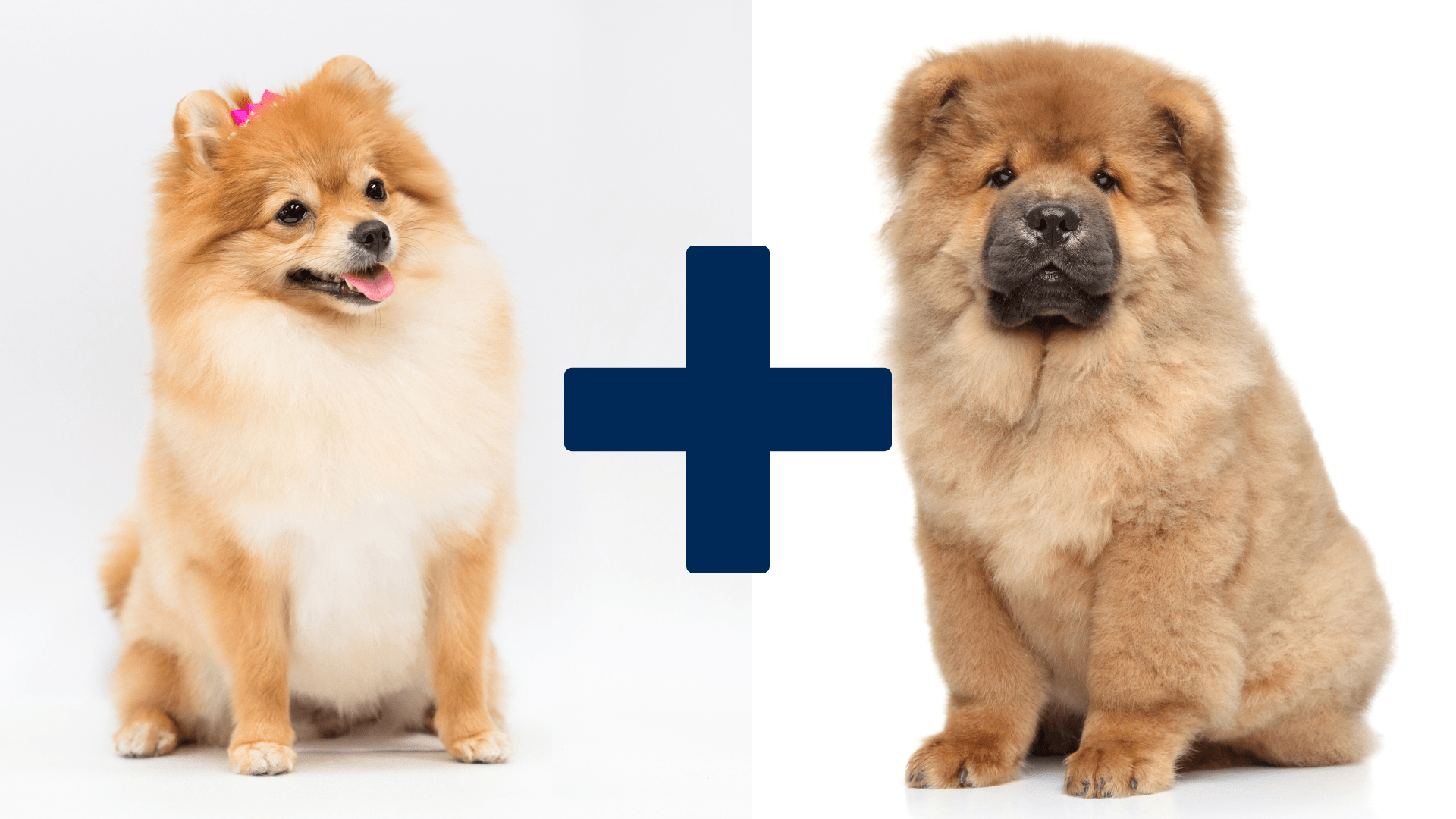
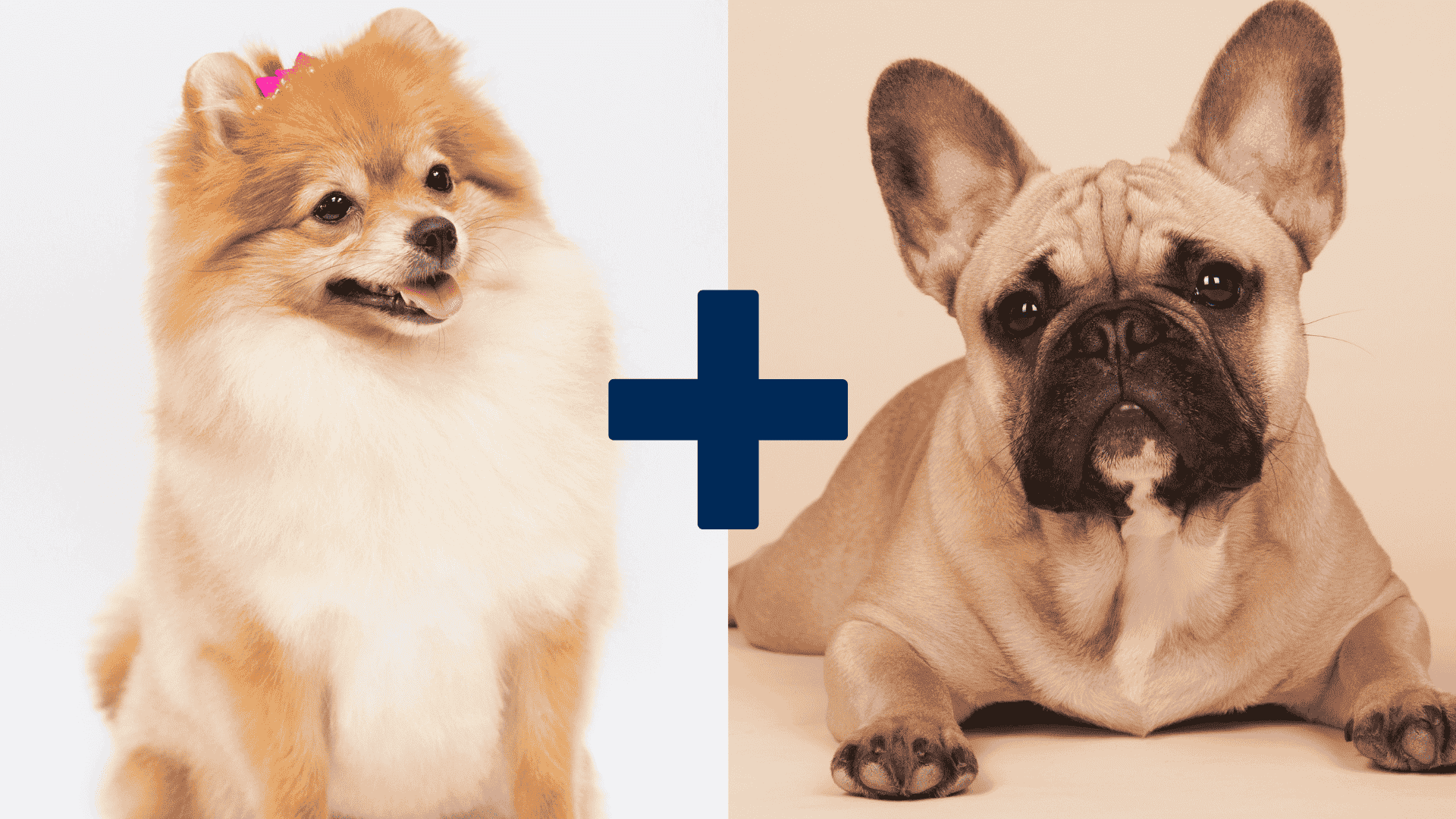
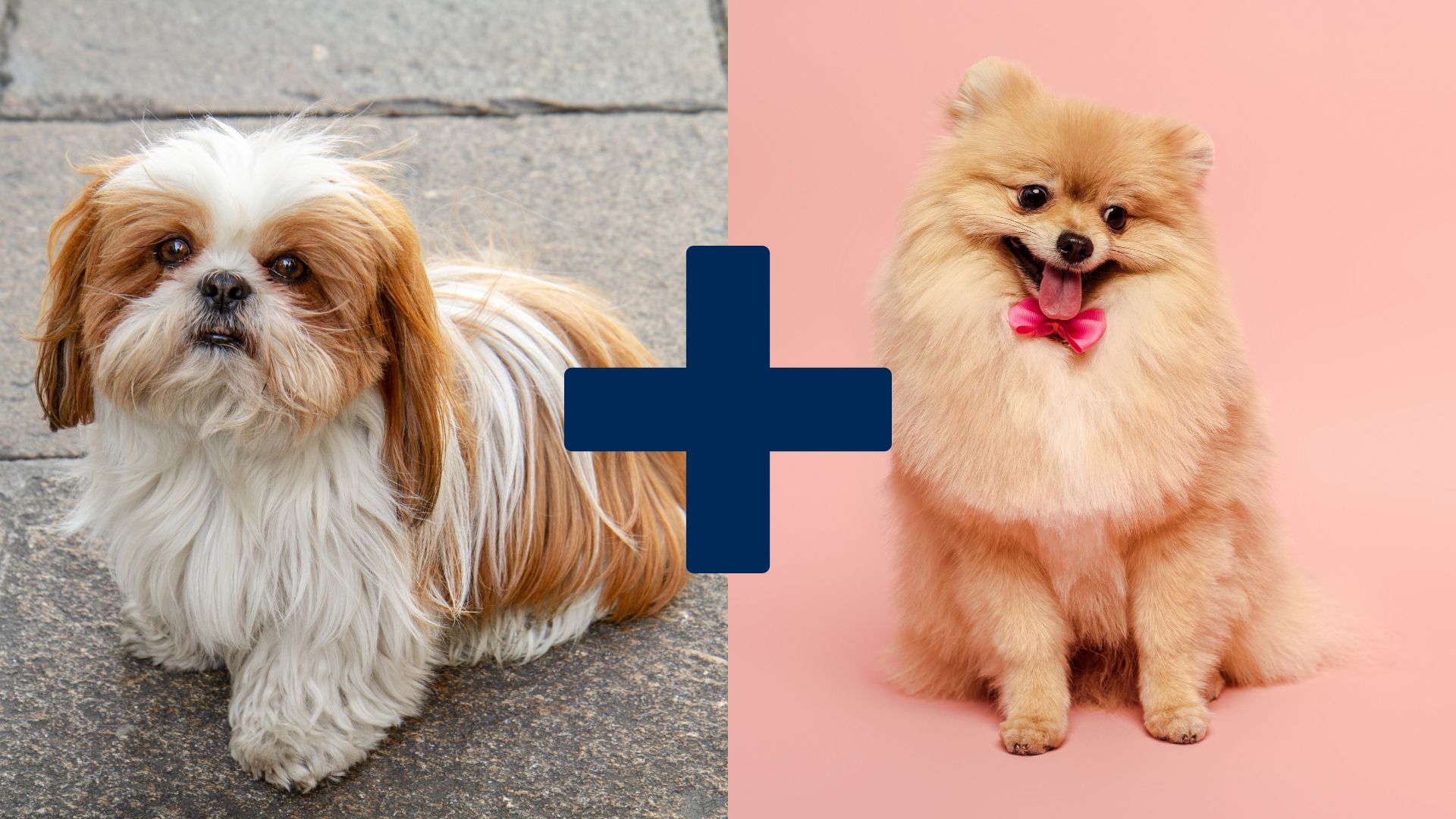
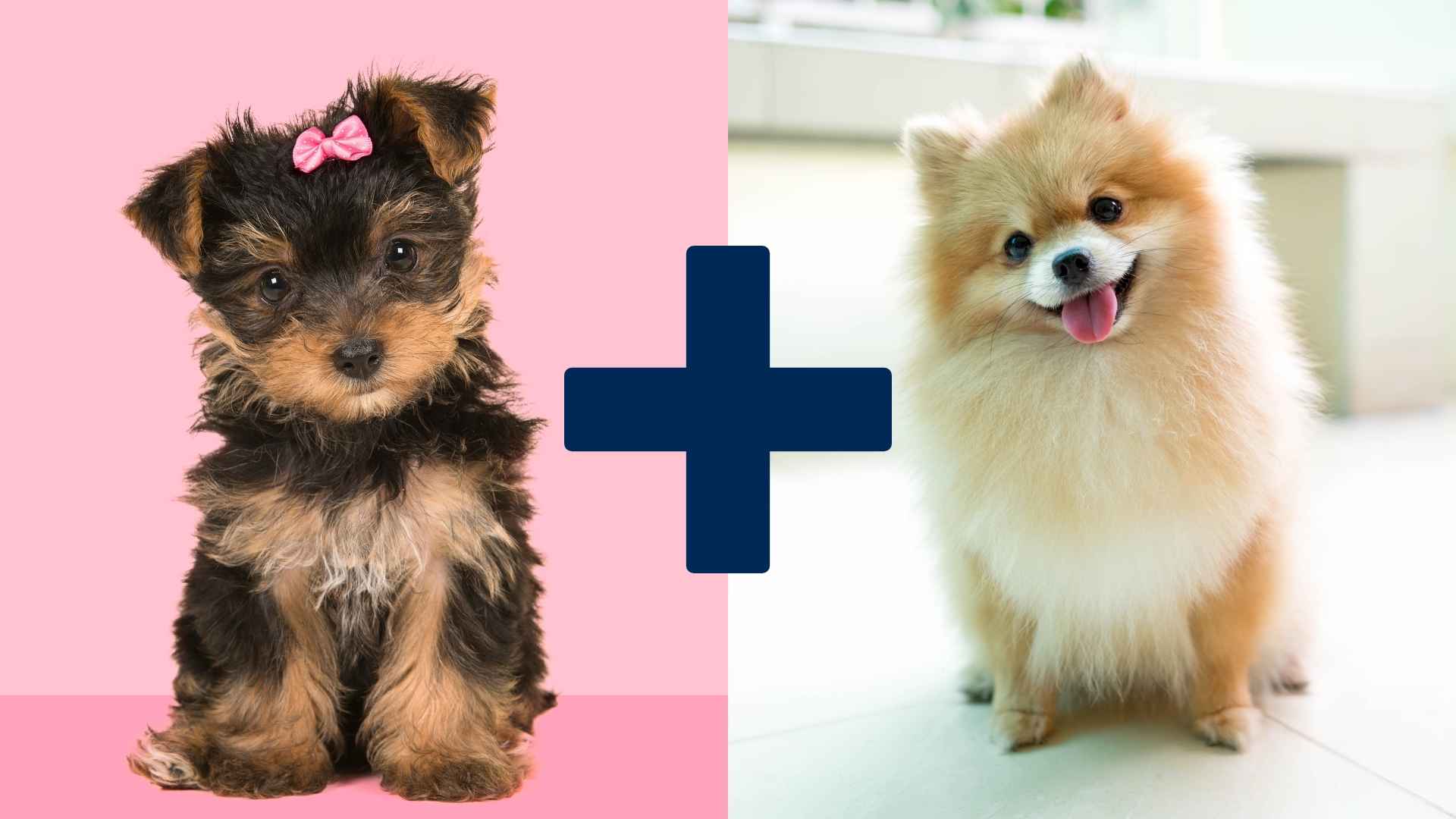
Build the Perfect Care Routine for Your Pomeranian
Select your Pom’s age, coat type, and activity level to instantly get a custom care checklist — it’s fast, free, and made with love!
Give your Pom the daily care they truly deserve.