
🐾 Full Grown Chihuahua Pomeranian Mix (Pomchi) – Small Dog, Huge Heart

Lateef Bhatti
Author
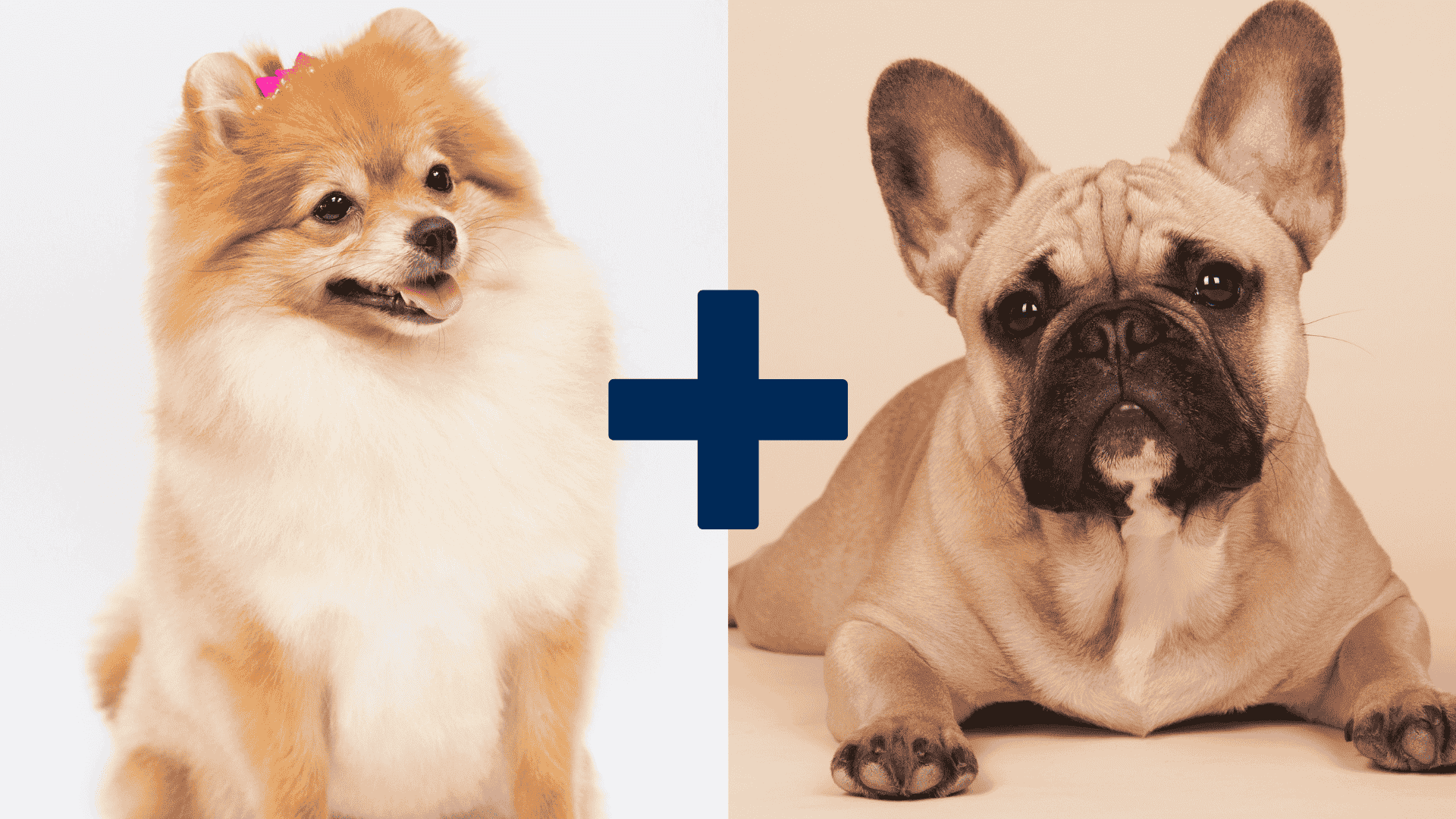
A full grown Chihuahua Pomeranian mix, affectionately known as the Pomchi, is the quintessential “big dog in a small body.” Weighing between 4 and 12 pounds, these spunky hybrids combine the aristocratic elegance of the Pomeranian with the sassy, ancient spirit of the Chihuahua.
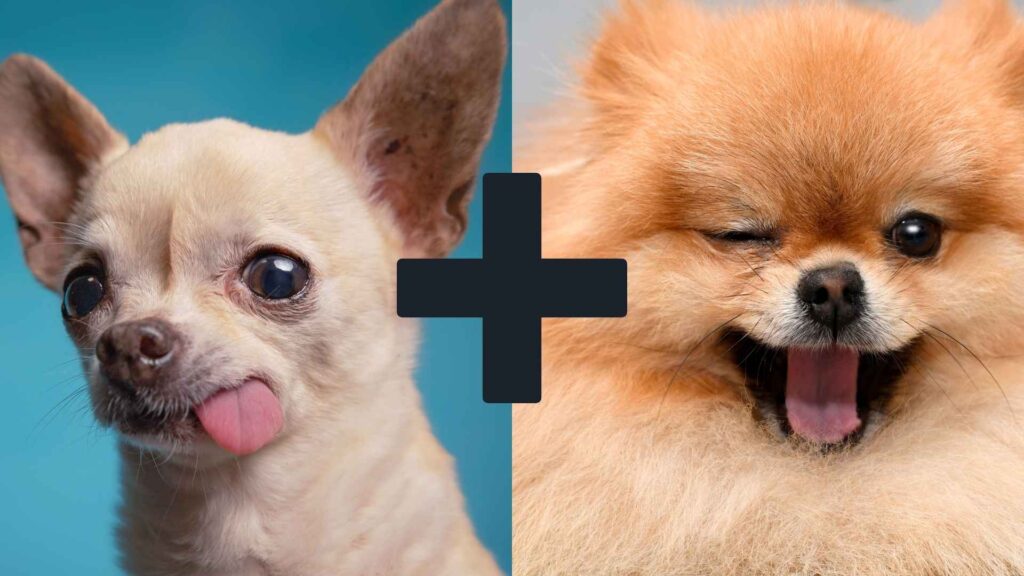
Whether you are an apartment dweller or have a sprawling backyard, the Pomchi adapts to your lifestyle, provided you are ready for a shadow that follows you from room to room. In the world of designer dogs, this mix stands out as a “Final Word” in companionship, blending two of history’s most beloved toy breeds into one compact, high-energy package.
Table of Contents
Toggle🐾 What Is a Full Grown Chihuahua Pomeranian Mix?
The Pomchi is a “designer dog” that emerged in the late 1990s and gained massive popularity by 2026. Breeders sought to create a companion that retained the fox-like beauty of the Pomeranian but with the sleek agility and intense loyalty of the Chihuahua.
Why are Pomchis called “Velcro dogs”?
This breed is famous for its extreme devotion. A full grown Chihuahua Pomeranian mix often picks one “favorite” human and will stick to them like glue. They don’t just want to be in the same room as you; they want to be on your lap, your feet, or tucked into your sweater. This trait makes them excellent emotional support animals but can lead to vocal protests if they feel ignored.
How big does a Pomchi get?
Typically, an adult Pomchi stands 5 to 9 inches tall at the shoulder. Their weight fluctuates based on which parent’s genetics dominate, but most stay within the toy breed category. Because of their tiny stature, every pound matters—a two-pound gain on a Pomchi is equivalent to a thirty-pound gain on a Golden Retriever.

🧠 Temperament: Small Size, Huge Personality
Is the Pomchi aggressive or just protective?
While they aren’t inherently aggressive, Pomchis are “vocal watchdogs.” They possess an inflated sense of size and will fearlessly alert you to the mailman, a passing leaf, or a suspicious-looking dust bunny.
Early socialization is the “secret sauce” to ensuring their protective nature doesn’t turn into unnecessary yapping. If they are introduced to strangers and sounds early, they learn to discern a real threat from a neighbor walking by.
What is “The Owner’s Perspective” on Pomchi quirks?
Living with a Pomchi means learning the “Pomchi Purr”—a soft, grumbling sound they make when they’re happy, which is distinct from a growl. You’ll also notice they have a specific “zoomie” style.
They run in tight, frantic circles, often banking off the back of the sofa, followed by a dramatic flop onto their back for belly rubs. They are also notorious “sun seekers.” You will find your Pomchi moving across the floor throughout the day to stay perfectly aligned with any available sunbeam.
Quick Facts about Full Grown Chihuahua Pomeranian Mix

🥗 The "Hidden Gems" of Pomchi Nutrition
How much should I feed a full grown Chihuahua Pomeranian mix?
Most adults require 1/2 to 1 cup of high-quality, small-breed kibble daily, split into two or three meals. Because they have tiny stomachs, they cannot handle one large meal. If they eat too much at once, they risk bloat or indigestion.
What are the hidden nutritional risks for this mix?
One nuanced fact many owners miss is the Pomchi’s susceptibility to hypoglycemia (low blood sugar), even as adults. Their fast metabolism means they shouldn’t skip meals.
If your Pomchi becomes lethargic or shaky, it could be a sugar crash. Keeping a small tube of Nutri-Cal or even a bit of honey on hand is a professional tip for emergency sugar boosts.
- Hidden Gem 1: Use a slow-feeder bowl. Pomchis are prone to “reverse sneezing” if they eat too fast and inhale air.
- Hidden Gem 2: Incorporate a drop of salmon oil. Pomeranian genetics often lead to “black skin disease” (Alopecia X) or dry coats; Omega-3s are a lifesaver for their skin barrier.
🩺 Health & Genetics: The Deep Dive

While hybrid vigor often makes mixes heartier than purebreds, the full grown Chihuahua Pomeranian mix has specific genetic predispositions that require your attention.
What are the most common health issues in Pomchis?
The three biggest concerns are dental crowding, patellar luxation, and tracheal collapse. Because their mouths are so small, teeth often overlap, trapping bacteria and leading to early tooth loss.
- Patellar Luxation: This is a fancy term for a kneecap that pops out of place. If you see your dog “skip” or hold a hind leg up for a few steps, this is likely the cause.
- Tracheal Collapse: If your dog makes a “honking” sound when excited, their windpipe may be weakened. Always use a harness, never a collar, to protect their fragile throat.
- PDA (Patent Ductus Arteriosus): This is a rare but serious heart condition seen in both parent breeds. Ensure your vet performs a thorough cardiac auscultation (listening to the heart) at every checkup.
Which health screenings are essential?
If buying from a breeder, ask for OFA (Orthopedic Foundation for Animals) clearances for the parents’ knees and CERF (Canine Eye Registration Foundation) exams for vision issues like Progressive Retinal Atrophy (PRA).
Disclaimer: Consult with a veterinarian for a personalized health plan. These insights are based on breed trends and do not replace professional medical advice.
Grooming: Beyond the Fluff
Does a Pomchi shed a lot?
Yes, especially if they inherit the Pomeranian’s double coat. They “blow” their coat twice a year, meaning you’ll find tufts of fur in every corner of your home during spring and fall. Even the short-haired varieties shed more than you might expect.
What is the ideal grooming kit for a Pomchi?
Regular maintenance is cheaper than a trip to the groomer for mat removal. You should aim to brush your Pomchi at least three times a week.
Grooming Kit Essentials Checklist:
- Slicker Brush: To penetrate the dense undercoat and remove dead hair.
- Metal Comb: For detangling the fine hair behind the ears (the “matting zone”).
- Enzymatic Toothpaste: Essential for daily brushing to prevent $2,000 vet dental bills.
- Stain Remover: For “tear stains” common in the Chihuahua-dominant Pomchi.
- Grinder or Small Clippers: Their nails grow fast and can curl into the pad if not trimmed every 3 weeks.
🎓 Training: Overcoming the "Napoleon Complex"
Are Pomchis hard to housebreak?
To be honest: Yes. Small bladders mean they can’t “hold it” as long as a Lab. In colder climates, a Pomchi may refuse to go outside entirely because they hate the cold on their paws.
How can I make training sessions more effective?
Consistency is your best friend. A Pomchi is highly intelligent but can be stubborn. If they think they can get away with a behavior, they will.
- The 15-Minute Rule: Take them out 15 minutes after every meal, nap, or play session.
- Positive Reinforcement: Harsh corrections backfire. A Pomchi will simply hide under the sofa and become fearful.
- Mental Stimulation: Use puzzle toys. A bored Pomchi is a destructive Pomchi. They love “hide and seek” games with treats hidden around the living room.
🏠 Living With a Full Grown Chihuahua Pomeranian Mix: Space and Energy

Is a Pomchi suitable for apartment living?
Absolutely. They are the kings and queens of small spaces. However, their vocal nature can be a problem with thin walls. Training the “Quiet” command early is essential for harmonious neighbor relations.
How much exercise does a full grown Pomchi need?
While they are energetic, they don’t need five-mile hikes. Two 15-minute walks per day plus some indoor play is usually sufficient. They are excellent candidates for indoor agility or “fetch” in a long hallway.
🐕 Male vs. Female: Does Gender Matter?
Is a male or female Pomchi better for me?
In the full grown Chihuahua Pomeranian mix, gender differences are subtle but present. Males are often described as more “affectionate” and eager to please. They tend to stay in the “puppy phase” longer than females.
Females are often more independent and “bossy.” A female Pomchi may decide she is the ruler of the household and expects you to follow her schedule. If you have other dogs, a male Pomchi often integrates more easily into the existing pack dynamic.
🌡️ The "Heat Seeker" Phenomenon
Do Pomchis need sweaters in the winter?
Yes. Because they have very little body fat and their surface-area-to-mass ratio is high, they lose heat rapidly. Even a Pomchi with a thick Pomeranian coat will struggle in temperatures below 50°F (10°C).
You will notice your Pomchi shivering even in a drafty room. Investing in a high-quality fleece or a puffer vest is not just a fashion choice; it’s a health necessity for this breed. They are also known to burrow under blankets—always check a pile of laundry before sitting down!
🛡️ Socialization and Safety Protocols
Why is early socialization so critical?
A Pomchi who isn’t socialized can develop “Small Dog Syndrome.” This isn’t a cute personality trait; it’s anxiety manifesting as aggression. They may snap at strangers or bark uncontrollably at other dogs out of fear.
Take your Pomchi to “puppy socials” and introduce them to people wearing hats, carrying umbrellas, and making different noises. The more they see as a puppy, the more confident they will be as a full grown Chihuahua Pomeranian mix.
How do I keep my Pomchi safe in public?
Because they are so small, they are at risk from “predatory drift.” This occurs when a large dog suddenly views a small dog as prey. Always keep your Pomchi on a leash in unenclosed areas, and avoid dog parks where large and small dogs are mixed. Additionally, be mindful of hawks or owls if you live in a rural area; a 4-pound dog is an easy target for a bird of prey.
💎 3 "Hidden Gems" of the Pomchi World

- The “Teacup” Myth: Avoid anyone selling a “Teacup Pomchi.” These are often the runts of the litter with severe health issues. A healthy, full grown Chihuahua Pomeranian mix should never weigh less than 3–4 pounds.
- Longevity Secrets: Many Pomchis live well into their late teens. The secret to their longevity is a combination of weight management and dental care. A lean Pomchi with clean teeth will almost always outlive an overweight one with gum disease.
- The “Bark-to-Size” Ratio: A Pomchi has a bark that sounds like it belongs to a dog three times its size. This “deep” bark is a trait often inherited from the Pomeranian side, making them surprisingly effective at deterring intruders—until the intruder sees how cute they are.
📋 The "Is the Pomchi Right for You?" Final Checklist
Before you commit to this 15-year journey, review this checklist. If you can’t say “yes” to these points, you may want to reconsider the breed.
- Time: I am home enough to prevent separation anxiety.
- Budget: I can afford regular dental cleanings and high-quality food.
- Environment: My home is relatively quiet and safe for a fragile pet.
- Patience: I am willing to spend months on housebreaking.
- Grooming: I enjoy brushing my dog or can afford a professional groomer every 6 weeks.
- Safety: I will always use a harness and supervise my dog around larger animals.
🏺 A Brief History: From Royalty to the Living Room
To truly appreciate the full grown Chihuahua Pomeranian mix, you have to look at the parents. The Pomeranian was once a 30-pound sled dog from the Baltic region. Queen Victoria is credited with breeding them down to the “toy” size we see today.
The Chihuahua, meanwhile, is a native of Mexico. They are descendants of the Techichi, a dog often buried with its owners to help guide their souls through the afterlife. When you mix these two, you aren’t just getting a “cute dog.” You are getting a blend of Arctic endurance and ancient Aztec spirit.
This history explains why your Pomchi might be both a stubborn survivor and a pampered lap-dweller. They are the result of centuries of human companionship, refined into a tiny, modern masterpiece.
🏥 Emergency Signs: When to Call the Vet
Because small dogs can decline rapidly, you should know the “red flags” for your Pomchi.
- Lethargy and Shaking: Could indicate hypoglycemia or a sudden drop in body temperature.
- Honking Cough: A sign of tracheal distress that needs immediate attention.
- Refusing Food: For a breed that loves to eat, skipping two meals is an emergency.
- Squinting or Cloudiness: Pomchis are prone to glaucoma; eye issues should never wait.
- Sudden Lameness: If they stop using a leg, it could be a grade 3 or 4 patellar luxation.
The Pomchi isn’t just a pet; they are a lifestyle. If you want a tiny, vocal, fiercely loyal partner who will defend your lap with their life, the full grown Chihuahua Pomeranian mix is your perfect match. They demand much in the way of attention and care, but the love they return is boundless.
People also ask:
Of course, Pomchi is a good mix. Pomeranian Chihuahuas break up a family’s routines with their spirited manner; their size and attachment, however, are a good fit for families with toddlers. Families with toddlers need to be careful since their size is easily breakable. Toddlers can be rough, so Pomchi should be placed in gentler families.
With good nutrition, regular dental care, check-ups, and a bit of luck, Pomchi can be cherished for up to 15 years.
Prices for Pomchi can be as low as 500$ and up to 3000$ depending on the buyer, location, and pedigree. Rescues cost a lot less.
It is named a Pomchi. This can be written as Pomeranian-Chihuahua mix as well.
Like any small breed Pomchi can have dental, heart, and eye issues as well as patellar luxation, tracheal collapse, and patent ductus arteriosus.
You may also like












Build the Perfect Care Routine for Your Pomeranian
Select your Pom’s age, coat type, and activity level to instantly get a custom care checklist — it’s fast, free, and made with love!
Give your Pom the daily care they truly deserve.