
Pomeranian Mixed With Pitbull: The Ultimate 2026 Guide to the Rare "Pompit" Hybrid

Lateef Bhatti
Author
The Pomeranian Mixed With Pitbull (often affectionately called the “Pompit”) is perhaps one of the most surprising and rare designer dogs in the canine world. By crossing the diminutive, spirited Pomeranian with the powerful, loyal American Pit Bull Terrier, breeders have created a hybrid that defies expectations.
While they may seem like total opposites, these two breeds share a common “spitz” and “terrier” tenacity. This results in a companion brimming with personality. This guide explores everything from genetic quirks to daily living requirements for this unique crossbreed.
Table of Contents
Toggle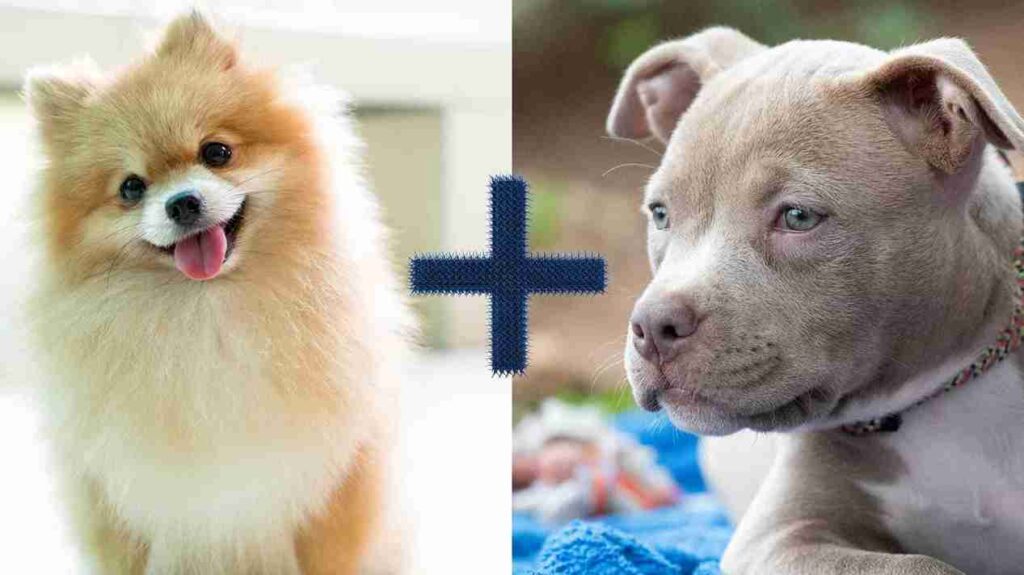
What is a Pomeranian Pitbull Mix?
A Pompit is a designer crossbreed resulting from the mating of a Pomeranian and an American Pit Bull Terrier. Because of the significant size difference, this hybrid is usually achieved through artificial insemination.
Ethical breeders prioritize using a Pitbull mother to ensure a safe pregnancy and birth. A Pomeranian mother would likely face life-threatening complications carrying puppies of this hybrid size.
Because this mix is so rare, you won’t find a “standard” look. Some Pompits inherit the blocky head and muscular frame of the Pitbull but in a miniaturized, 20-pound package. Others may sport the fox-like face and “lion’s mane” ruff of the Pomeranian while possessing the athletic drive of a terrier.
Hidden Gem: The “Gameness” Factor
Many owners don’t realize that both parent breeds have histories of incredible persistence. Pomeranians were originally downsized from large, Arctic sled dogs (the German Spitz). Pitbulls were bred for endurance and “gameness.”
A Pomeranian Mixed With Pitbull often possesses a “never-quit” attitude. They aren’t just lap dogs. They are high-drive athletes that require a specific job or activity to feel mentally fulfilled.
Is a Pomeranian Pitbull Mix easy to train?
Pompits are highly intelligent but can be notoriously stubborn. They respond best to positive reinforcement and firm, consistent leadership. This helps them navigate the “independent streak” inherited from the Pomeranian side.
Personality & Temperament Highlights
- Velcro Dogs: Expect a shadow. This mix thrives on human contact and can develop separation anxiety if left alone for 8+ hours.
- The “Big Dog” Complex: Pompits often forget their size. They may attempt to “boss” much larger dogs, making early socialization a non-negotiable requirement.
- Alert Barking: From the Pomeranian lineage comes a keen sense of hearing. They will let you know the mailman has arrived—and perhaps a leaf has blown across the driveway.
The Nuance of “Terrier Brain”
When the Pitbull genes dominate, the dog may have a high prey drive. This means they might chase squirrels, cats, or even moving bicycles. Training “focus” commands like “Look at Me” is essential from a young age to manage this instinct.
What are the physical traits of a Pompit?
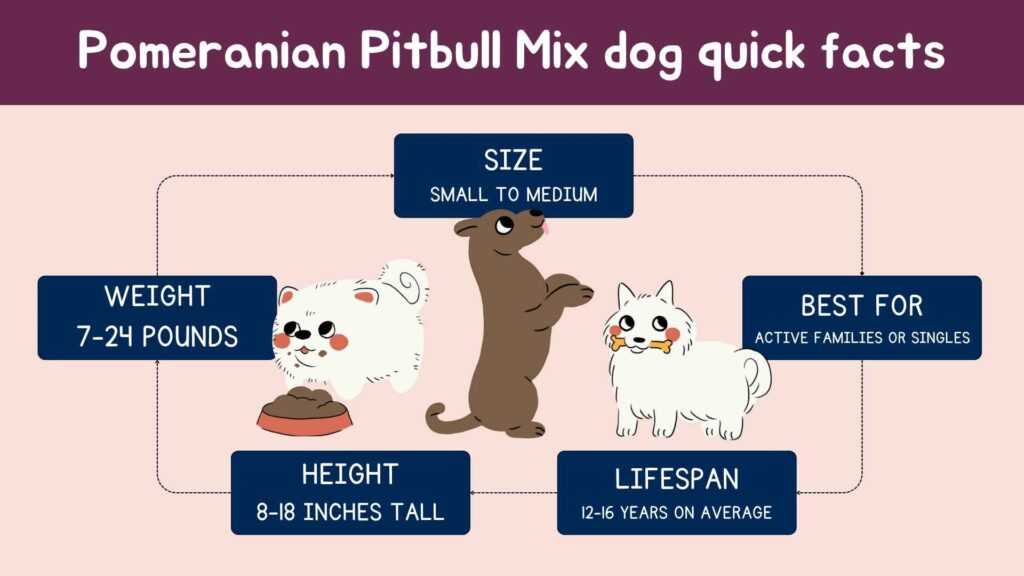
Most Pompits weigh between 15 to 35 pounds and stand 12 to 16 inches tall. Their coat can range from the short, sleek fur of a Pitbull to a dense, medium-length double coat that requires frequent brushing.
Comparison Table: Size & Energy

Coat Variations and Colors
You might see colors ranging from blue, fawn, and brindle (Pitbull traits) to orange, cream, or sable (Pomeranian traits). The “merle” pattern is rare and should be approached with caution, as it can sometimes be linked to hearing and vision issues if not bred responsibly.
Does a Pomeranian Pitbull Mix have health problems?
Like all hybrids, Pompits can inherit genetic predispositions from both parents. These include hip dysplasia and luxating patellas. Regular veterinary screenings and maintaining a lean weight are the best ways to prevent these orthopedic issues.
Critical Health Screenings
To ensure your Pomeranian Mixed With Pitbull lives a long life, look for breeders who test for:
- OFA Hip & Elbow Evaluation: To rule out dysplasia inherited from the Pitbull side.
- CERF/OFA Eye Examination: To check for cataracts and PRA (Progressive Retinal Atrophy).
- Cardiac Evaluation: Pitbulls can be prone to congenital heart disease; early detection is vital.
- Thyroid Testing: Hypothyroidism can lead to skin issues and weight gain in both parent breeds.
Disclaimer: Consult with a veterinarian for a personalized health plan for your specific pet.
How much grooming does a Pompit require?

Grooming needs vary wildly based on the dominant coat gene. If the dog has a double coat, you must brush them at least 3 times a week. If they have a short coat, a weekly session with a rubber curry brush is sufficient.
The Owner’s Perspective: Living with the Shed
I’ve found that Pompits often experience “seasonal blowouts.” Even if they look like a short-haired Pitbull, that Pomeranian undercoat can hide deep within.
You’ll notice “tumbleweeds” of fur in the corners of your home during spring and fall. Keeping a high-quality vacuum and a de-shedding tool on hand is part of the lifestyle. Their skin can also be sensitive, a common Pitbull trait, so using oatmeal-based shampoos is often a wise choice.
Essential Grooming Kit Checklist
- Slicker Brush: For those with longer, “fluffy” patches.
- Rubber Curry Brush: To remove loose hair from short-coated areas.
- Enzymatic Toothpaste: Smaller mouths (from the Pom side) are prone to dental crowding.
- High-Quality Nail Clippers: Terriers have fast-growing, strong nails.
- De-shedding Tool: Essential for the biannual coat “blowout.”
How much exercise does a Pompit need daily?
Plan for at least 60 minutes of vigorous activity. This should include a brisk walk and mental stimulation, such as puzzle toys or obedience training, to prevent destructive chewing.
The Importance of Mental Enrichment
A bored Pompit is a destructive Pompit. Because they are so intelligent, they can figure out how to open cabinets or “remodel” your sofa. Use lick mats, snuffle mats, and hide-and-seek games to burn off mental energy.
Hidden Gem: Temperature Sensitivity
One nuance many owners miss is that the Pompit can be sensitive to both heat and cold. If they have the thick Pom coat, they can overheat quickly during summer hikes.
Conversely, if they have the thin Pitbull coat, they will need a sweater for winter walks. Always monitor their panting levels and paw pad temperature. They are not “outdoor” dogs and should live inside with their family.
Are Pompits good with children and other pets?
Pompits are generally affectionate with family but can be “mouthy” or reactive if not socialized. Because of their high prey drive (Pitbull) and low tolerance for rough handling (Pomeranian), they do best in homes with older children.
Reddit & Quora Insights: Community Consensus
Searching through breed-specific forums, a common thread emerges: the Pomeranian Mixed With Pitbull is a “big dog in a small body.”
Users on Reddit’s r/DogBreeds often note that these dogs are surprisingly good at agility and nose work. However, they also warn that “same-sex aggression” can occasionally surface if the Pitbull lineage is strong. Early and frequent puppy playdates are essential to mitigate this.
What are the nutritional requirements for a Pompit?
Feeding a Pompit requires a balance that supports high energy without causing obesity. Because they can inherit the Pitbull’s muscular frame and the Pomeranian’s tendency to gain weight, portion control is key.
Choosing the Right Kibble
Look for a high-protein formula where the first ingredient is a whole meat source like chicken, beef, or lamb. Avoid heavy fillers like corn or soy, which can trigger skin allergies—a common issue in Pitbull mixes.
Managing Joint Health Through Diet
Since both parent breeds are prone to joint issues, consider a diet or supplement rich in Glucosamine and Chondroitin. Omega-3 fatty acids (fish oil) can also help maintain that glossy coat and support brain health.
How do you find a reputable Pompit breeder?
Finding a Pomeranian Mixed With Pitbull is difficult because they are not a standard designer mix like a Goldendoodle. You must be wary of “backyard breeders” who are simply looking to make a quick profit on a “rare” dog.
Signs of an Ethical Breeder
- They allow you to meet the mother (the Pitbull) and see her living conditions.
- They provide documentation of health clearances for both parents.
- They ask you questions to ensure you are a fit for the dog.
- They have a “return policy” stating they will take the dog back if you can no longer care for it.
The Adoption Option
Many Pitbull mixes in shelters have a “touch” of small breed in them. While finding a 50/50 Pompit in a rescue is rare, checking specialized Pitbull or Pomeranian rescues is a great place to start. You might find a “pocket Pittie” that fits the exact size and temperament profile you’re looking for.
What is the history of the parent breeds?
To truly understand the Pompit, you have to look at where they came from. The history of these two dogs is a study in contrasts that somehow works in harmony.
The Pomeranian: From Sleds to Laps
The Pomeranian was once a much larger dog, weighing up to 30 pounds. They worked in the Arctic as sled pullers. It wasn’t until Queen Victoria took an interest in the breed and began breeding them down in size that they became the “toy” dogs we know today. This explains their “big dog” bravery—it’s literally in their DNA.
The Pitbull: The Misunderstood Nanny
The American Pit Bull Terrier has a complicated history, but they were once known as “Nanny Dogs” in England and the U.S. due to their extreme loyalty and gentleness with their owners’ children. They are athletes, protectors, and clowns all rolled into one. When you mix this with the Pom’s sass, you get a dog that is endlessly entertaining.
The Owner's Perspective: The Daily "Zoomies"
Living with a Pompit means accepting the “Zoomies” as a daily ritual. Usually around 7:00 PM, my Pompit mix will suddenly tuck his tail and sprint laps around the living room.
It’s a hilarious display of Pitbull power and Pomeranian speed. He doesn’t just bark; he “talks” in a series of grumbles and high-pitched yaps that perfectly reflect his dual heritage. Visitors are often met with a “tough guy” bark at the door, followed immediately by a submissive wiggle and a request for belly rubs.
Is the Pomeranian Mixed With Pitbull right for you?
You should get a Pompit if:
- You want a loyal “velcro” dog that stays by your side.
- You have an active lifestyle and want a portable adventure partner.
- You are an experienced owner comfortable with setting firm boundaries.
- You enjoy the challenge of a dog that is smarter than it lets on.
You should avoid a Pompit if:
- You are away from home for long periods.
- You live in a building with strict “Pitbull-type” breed bans.
- You prefer a low-energy dog that only needs a backyard for exercise.
- You are sensitive to shedding or alert barking.
Final Thoughts on the Pompit
The Pomeranian Mixed With Pitbull is a masterpiece of contrast. It is a dog that offers the ferocity of a guardian and the sweetness of a lap dog. While finding one is a challenge, the bond they form with their owners is famously unbreakable.
They require a dedicated owner who can handle their energy, grooming, and occasional stubbornness. If you can provide that, you will be rewarded with one of the most unique and devoted companions in the canine kingdom.
People also ask:
Yes, though it is uncommon and risky, due to significant size and health factors related to natural versus ethical breeding which involves some form of veterinary assistance.
Yes, Pomeranians can be safe around babies, especially when supervised. Socialized, and gently handled, they can be safe around babies, and while they can be gentle, their small size means defensive behaviors and nips can be provoked if babies do not move gently.
Yes, adult Pomeranians can be left alone for around 6 to 8 hours. Even then, Pomeranians should be left with suitable arrangements as separation anxiety is common so owners should build independence slowly.
Pitbulls are banned in 12 countries due to breed specific legislation that is meant to lower attack severity and protect public safety. Critics of this legislation argue that it is blunt and that owner behavior is the main cause.
Yes, Pomeranians live for a long time. With good care, they can live on average 12 to 16 years and this is long for dogs. Genetics and weight management, along with preventive veterinary care greatly impact their longevity.
You may also like
Build the Perfect Care Routine for Your Pomeranian
Select your Pom’s age, coat type, and activity level to instantly get a custom care checklist — it’s fast, free, and made with love!
Give your Pom the daily care they truly deserve.