
Balanced Homemade Food for Pomeranian Puppy Health

Lateef Bhatti
Author
🕐 13 min read · Updated: May 27, 2026
Making homemade food for Pomeranian puppy health is one of the most powerful decisions you can make for your tiny companion. A well-structured home diet built around high-quality proteins like chicken or turkey, slow-release carbs like pumpkin, and healthy fats from salmon oil gives your Pom exactly what their sensitive system needs. When you cook at home, you eliminate the chemical preservatives, mystery meat by-products, and artificial dyes hiding in most commercial bags. Your puppy gets real fuel — and you get peace of mind knowing every bite was made with intention.
Table of Contents
Toggle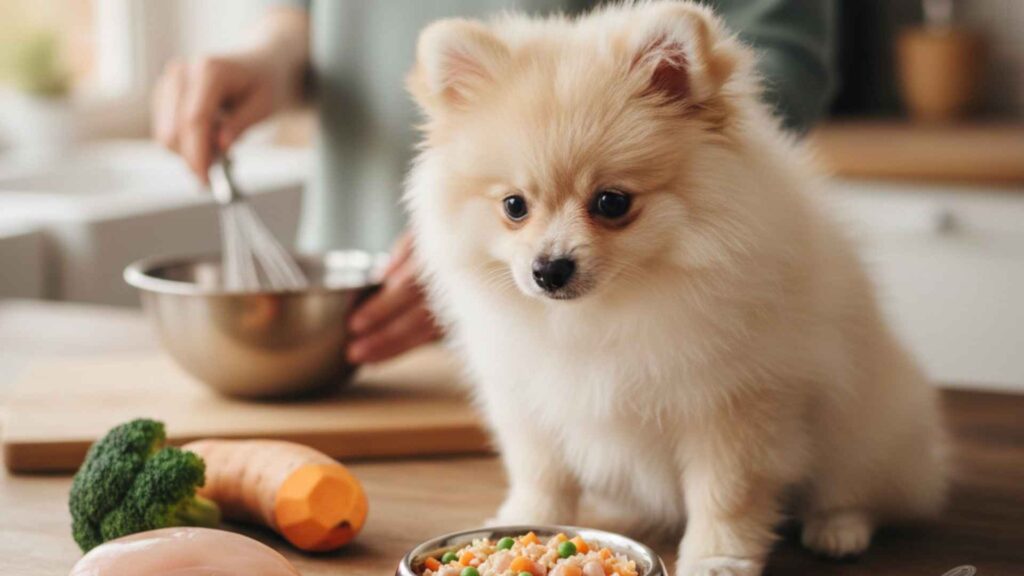
Why Should You Switch to Homemade Food for Your Pomeranian?
Homemade meals deliver superior bioavailability. Your puppy’s small digestive tract absorbs nutrients from whole foods far more efficiently than from processed kibble — often 20 to 30 percent more efficiently, according to comparative digestibility studies on toy breeds.
Here is what most guides skip: Pomeranians are technically a “spitz” breed, descended from large Arctic sled dogs. Despite being miniaturized to under seven pounds, their metabolic demands remain remarkably high. They are not low-energy lap dogs in disguise. They are compressed athletes. Feeding them the “inner sled dog” with human-grade fuel is not a luxury. It is breed-appropriate nutrition.
Commercial kibble was never designed with the Pomeranian in mind. It is formulated for a generic 30-pound dog. When a 3-pound puppy eats from a bag engineered for a Golden Retriever, the nutrient ratios are simply wrong. Too much filler, not enough targeted protein, and far too many synthetic additives the Pom liver struggles to process.
The switch to homemade food for Pomeranian puppy health also addresses a cosmetic problem that frustrates hundreds of owners every week: tear staining. Those stubborn reddish-brown streaks under the eyes are often an allergic reaction to the dyes and fillers in commercial food. Many owners report the stains fade noticeably within two to three weeks of removing processed food from the diet.
The “Junk Food” Problem with Commercial Kibble
Walk down any pet store aisle and you will see bags with reassuring words like “natural” and “wholesome.” The reality printed in tiny font on the back tells a different story. “Meat by-products” legally includes beaks, hooves, and rendered material. “Corn syrup” appears in some budget brands as a palatability booster. BHA and BHT are synthetic preservatives flagged by several international food safety bodies.
None of that belongs in your Pomeranian’s bowl. Ever.
What Homemade Food Actually Does for a Pom’s Body
Beyond avoiding harmful ingredients, a well-constructed home diet actively supports several Pomeranian-specific health functions. The digestive enzymes preserved in lightly cooked or raw proteins support gut health. The natural moisture content (typically above 70 percent in fresh food versus under 10 percent in dry kibble) keeps the kidneys flushed and reduces the risk of urinary crystals. The absence of synthetic additives reduces the inflammatory load on the skin and immune system — critical for a breed already prone to skin sensitivities.
What Is the Best Food for a Pomeranian Puppy?
The ideal Pomeranian puppy diet consists of 50 to 70 percent high-quality animal protein, 15 to 20 percent healthy fats, and the remainder from fiber-rich vegetables and complex carbohydrates. Puppies specifically require higher calcium and phosphorus ratios to support their rapid skeletal development.
Because Pom puppies have such tiny mouths and immature digestive tracts, texture matters enormously. Finely mincing or lightly pureeing ingredients ensures they do not choke on pieces larger than their throat can safely manage. It also accelerates nutrient absorption in a gut that is still developing its microbiome.
Top Ingredients for Your Homemade Recipe List
Proteins — Lean ground beef, skinless chicken breast, ground turkey, or white fish such as cod or tilapia. These provide complete amino acid profiles without the saturated fat load that strains a small liver.
Carbohydrates — Pureed pumpkin, cooked oatmeal, quinoa, or brown rice. Each of these offers fiber alongside complex sugars that release energy slowly, supporting blood sugar stability across the hours between meals.
Vitamins and Minerals — Grated carrots, steamed peas, zucchini, or finely chopped spinach. These deliver beta-carotene, potassium, folate, and antioxidants without the oxalate concerns of raw spinach in large quantities.
Fats — A teaspoon of coconut oil, extra virgin olive oil, or wild-caught salmon oil per serving. Salmon oil in particular is the gold standard for Pomeranians given their genetic predisposition to coat and skin problems.
Understanding Macro Ratios for a Growing Puppy
Puppies are not small adult dogs. They are building an entire body from scratch. Their protein requirements per kilogram of body weight are roughly double those of an adult dog. Skimping on protein during the first year leads to stunted muscle development and a compromised immune system. On the other hand, overfeeding fat during puppyhood creates adipose tissue that becomes nearly impossible to lose once set.
The practical ratio that works consistently is approximately 60 percent protein, 15 percent fat, and 25 percent carbohydrates for a growing Pom puppy. Once they hit their adult weight — usually between seven and twelve months — you can adjust to 50 percent protein and allow carbs to drop slightly.
Why Isn’t Manufactured Dog Food the Best for Pomeranians?
Most commercial formulas are engineered for an “average” dog that does not exist. The high-heat rendering process used to create kibble destroys natural enzymes and denatures proteins, forcing manufacturers to add back synthetic vitamins that a Pomeranian’s liver processes less efficiently than natural sources.
The numbers tell the story clearly. Standard commercial kibble has a digestibility rate of 60 to 70 percent. High-quality fresh homemade food sits at 90 percent or above. That gap matters profoundly when you are feeding a dog that weighs less than a bag of flour. Every calorie and every nutrient has to count. There is no margin for filler.
Beyond digestibility, the moisture content disparity creates long-term health risk. Kibble contains roughly 10 percent moisture. A fresh homemade meal contains 70 percent or more. Pomeranians are notoriously poor water drinkers. A diet of dry kibble alone creates a chronically dehydrated dog, which over years contributes to kidney strain and urinary tract problems.
Comparison: Homemade vs. Commercial "Fast Food"

The column on the left describes what you can make in your kitchen in 30 minutes. The column on the right describes what most Poms eat every day of their lives. That gap is why homemade food for Pomeranian puppy health is not a trend. It is a return to what actually works.
Should Pomeranians Eat Grain-Free Dog Food?
While many Poms appear to thrive on grain-free diets that reduce skin allergy triggers, the 2026 veterinary consensus has shifted toward “grain-inclusive” approaches using ancient grains like quinoa and oats, unless a specific grain allergy has been formally diagnosed.
Here is the nuanced truth that online Pomeranian groups rarely discuss: going completely grain-free without compensating with adequate healthy fats can actually cause coat problems. Carbohydrates play a role in producing the oils that keep a Pomeranian’s double coat dense and plush. A diet that is too low in complex carbohydrates can lead to a brittle, thin coat — the opposite of what most Pom owners want.
One specific condition demands particular attention here. Pomeranians are genetically predisposed to Alopecia X, also called Black Skin Disease. It is a cosmetically devastating condition that causes progressive hair loss and skin darkening. A diet consistently rich in Omega-3 fatty acids from fresh fish is your strongest nutritional defense against this condition. If grain-free eating means you are also skimping on fatty fish or salmon oil, you are trading one problem for another.
The practical answer for most Pom owners: use ancient grains in moderation, include generous amounts of salmon oil daily, and reserve strict grain elimination for dogs with confirmed allergies diagnosed through elimination diet trials or veterinary allergy testing.
How to Handle a Teething Pomeranian Puppy?
During the teething phase, which runs from approximately 3 to 6 months of age, transitioning to softer and even chilled homemade foods reduces pain and maintains consistent nutrition through a period when eating becomes uncomfortable.
The teething window is also a period of elevated immune system stress. The body is simultaneously growing new teeth, reshaping the jaw, and dealing with the inflammatory discomfort of tooth eruption. A homemade diet gives you precise control over both texture and nutritional support during this sensitive time.
Freeze small portions of a bone broth and pureed carrot mixture into “puppy pops.” These chilled treats soothe inflamed gums while delivering calcium, collagen, and beta-carotene. They turn a painful developmental phase into a meal your puppy actually looks forward to.
Adding Probiotics During the Teething Phase
A small amount of plain, unsweetened Greek yogurt — roughly half a teaspoon per meal — provides live probiotic cultures that stabilize gut flora during the teething period. The digestive microbiome undergoes real disruption during this phase, and the stress hormones associated with teething pain further compromise gut integrity. Probiotics from food sources are gentler and more bioavailable than supplement capsules for small puppies.
Health & Genetics: The Safety Checklist

Before committing to a 100 percent homemade diet, ensure your Pom has been screened for these breed-specific conditions. Nutrition is powerful, but it works best as a complement to professional veterinary care, not as a replacement.
Pomeranians carry several genetic health vulnerabilities that directly influence nutritional strategy. Here is what every owner should know before redesigning their puppy’s diet:
OFA Patella Evaluation — Luxating patella is extremely common in toy breeds. Joints must be assessed to ensure they can handle the energy levels a high-protein growth diet supports.
CERF Eye Exam — Early-onset cataracts and Progressive Retinal Atrophy (PRA) occur in the breed. Antioxidant-rich foods like blueberries and carrots support ocular health, but baseline screening establishes what you are working with.
Bile Acid Test — Liver shunts, while rare, require a very specific low-protein dietary approach. Feeding a high-protein homemade diet to a dog with an undiagnosed liver shunt can cause serious harm. This test is inexpensive and eliminates that risk.
Cardiac Screening — Mitral Valve Disease monitoring is standard practice for the breed. Dogs with early cardiac changes may need sodium restriction in their homemade meals.
Disclaimer: Always consult with a veterinarian before implementing a homemade diet. Ensure your recipes meet AAFCO nutritional standards for your dog’s specific life stage and health status.
The Owner's Perspective: The "Happy Dance" That Proves It Works
If you have lived with a Pom, you already know they do not just eat. They inspect. A bowl of dry kibble gets a single suspicious sniff and a look of genuine offense. A warm bowl of shredded turkey and zucchini gets the spin-dance — that frantic, joyful circle that Pom owners know means unconditional approval.
Their barking is not always at the door. Sometimes it is a demand for the smell coming from your kitchen. Pomeranians are “vocal” dogs, and their appetite for home-cooked food has a distinctly emotional quality. When your Pom does the happy dance before the bowl hits the floor, that is not just enthusiasm. It is biological recognition of real food.
This matters practically, not just emotionally. Picky eating is one of the most common complaints in Pomeranian owner communities. Dogs that refuse kibble, skip meals, and hover between underweight and fine are almost universally transformed by the switch to homemade meals. The palatability of fresh, warm, real food eliminates the food-refusal battle entirely for most owners.
Master Recipe: The "Pom-Power" Growth Bowl
This recipe is designed specifically for the energy demands and developmental needs of a growing Pom puppy. It is soft, highly palatable, and nutritionally balanced for the 8-week to 6-month growth window.
Ingredients (makes 3 to 4 days of meals for one puppy):
- Protein: 1 lb Ground Turkey (fully cooked and drained of excess fat)
- Fiber: 1/2 cup Steamed Broccoli (finely chopped or pureed)
- Carbs: 1/2 cup Mashed Sweet Potato (peeled and cooked until soft)
- Supplement: 1 teaspoon Salmon Oil and a pinch of finely ground eggshell for calcium
Instructions:
Mix all ingredients thoroughly in a large bowl. Ensure the turkey is broken down into very small pieces no larger than a pea. Serve in small, frequent portions — three to four times daily — to maintain steady blood sugar levels. Refrigerate unused portions for up to three days, or freeze individual daily portions in small containers or silicone molds. Warm each portion to body temperature before serving. Cold food from the refrigerator can cause digestive upset in small puppies.
Why Each Ingredient Was Chosen
Ground turkey is lower in saturated fat than beef while still providing a complete amino acid profile ideal for muscle development. Sweet potato provides the complex carbohydrate base that stabilizes blood glucose between meals. Broccoli delivers sulforaphane, a compound with demonstrated anti-inflammatory properties. Salmon oil provides EPA and DHA — the Omega-3 fatty acids that directly support brain development, coat quality, and immune function. The ground eggshell provides a natural, bioavailable calcium source to balance the high phosphorus content of the meat.
Can Pomeranians Eat Raw Meat?
Raw feeding (the BARF approach — Biologically Appropriate Raw Food) is popular in Pomeranian enthusiast communities for its reported dental and energy benefits. However, the risk calculus is different for a 3-pound puppy than it is for a 60-pound dog.
The core safety issues with raw feeding for Pomeranian puppies are threefold. First, the salmonella and campylobacter risk is genuinely elevated in a dog with an immature immune system. Second, small raw bones that seem harmless to a medium breed become choking hazards for a puppy whose esophagus is roughly the diameter of your finger. Third, raw meat sold as “pet grade” legally contains higher bacterial counts than human-grade meat, and a Pom puppy’s immune defenses cannot reliably neutralize those loads.
If you choose raw feeding, source only human-grade meat. Grind everything finely. Freeze meat for at least 72 hours at minus 20 degrees Celsius before serving to reduce pathogen risk. And introduce raw feeding only after your puppy has passed the 6-month mark and has a more robust immune response.
The safer middle path for most owners is lightly cooked meat — just enough heat to eliminate surface pathogens while preserving the natural enzyme activity that raw advocates value.
Understanding the "Collapsing Trachea" Diet Connection

Pomeranians are genetically predisposed to tracheal collapse, a condition where the cartilage rings supporting the windpipe weaken and cause the airway to flatten during breathing. Weight management is the single most powerful dietary intervention for preventing or delaying symptoms.
Commercial kibble causes what I call “stealth obesity” in Pomeranians. The hidden starches and sugars in many budget brands cause gradual weight gain so slow that owners do not notice until their Pom is visibly “round.” Every extra ounce of body weight increases the pressure on an already vulnerable trachea.
With homemade food for Pomeranian puppy health, you control every ingredient and every calorie. You can see and measure what goes into the bowl. There are no hidden sugars, no mystery starches, and no palatability enhancers that override the dog’s natural satiety signals. Keeping your Pom lean — ideally at the lower end of healthy weight for their frame — is not vanity. It may literally extend their life.
Identifying Healthy Weight in a Pomeranian
A healthy Pom should have a visible waist when viewed from above and ribs that you can feel but not see. If you cannot feel the ribs without pressing firmly through a thick fat layer, the dog is overweight. If the ribs are visually prominent and the spine juts out, the dog needs more caloric density in their meals. The digital kitchen scale is your most valuable feeding tool.
Seasonal Feeding Adjustments
Your Pom’s nutritional needs genuinely shift with the seasons, and most guides never acknowledge this.
Winter Adjustments — Their small bodies work harder to maintain core temperature during cold months. Their metabolic rate increases. Adding an extra half-teaspoon of coconut oil to their daily meals provides the additional caloric density needed to fuel that thermoregulation without increasing meal volume significantly.
Summer Adjustments — Pomeranians are prone to overheating due to their thick double coat. Their summer homemade food for Pomeranian puppy meals can incorporate naturally cooling foods like cucumber (seeded and finely diced) or watermelon flesh (seeds and rind completely removed). These increase meal moisture content and provide electrolytes to replace what is lost through panting.
A practical summer tip: freeze a portion of their regular meal in a small silicone mold and serve it semi-frozen on hot days. It extends mealtime, keeps them cool, and is endlessly entertaining to watch.
The Importance of Calcium-to-Phosphorus Ratios
Meat is inherently high in phosphorus. Puppies building bone density need calcium in a ratio of approximately 1.2 to 1.4 parts calcium for every 1 part phosphorus. Without deliberate calcium supplementation, a meat-heavy diet creates the conditions for skeletal deformities.
Ground eggshell is the most practical natural solution. Thoroughly wash empty eggshells, dry them in a low oven at 93 degrees Celsius (200 degrees Fahrenheit) for 10 minutes, then grind them to a fine powder in a coffee grinder reserved for this purpose. Add approximately half a teaspoon per pound of meat in your recipe. This restores the calcium-phosphorus balance and ensures the growing skeleton receives the minerals it needs.
Bone meal powder is an alternative, but quality varies significantly between suppliers. If you use commercial bone meal, choose a product specifically formulated for companion animals and verify it has been tested for heavy metals.
What Happens Without Proper Calcium Balance
Hypocalcemia in growing puppies leads to soft, pliable bones that deform under the mechanical loads of normal activity. In a Pom that jumps, bounces, and plays with the energy of a breed three times its size, improperly mineralized bones represent a genuine injury risk. Getting the calcium right is not optional in a homemade diet.
Why a Pomeranian Trusts You to Make the Right Food Choices?

Pomeranians are called “Velcro dogs” for good reason. They bond intensely with one person and mirror that person’s emotional state with uncanny accuracy. When you spend time in the kitchen preparing their homemade food for Pomeranian puppy nourishment, you are not just filling a bowl. You are engaging in the pack bonding ritual that this breed is wired to respond to.
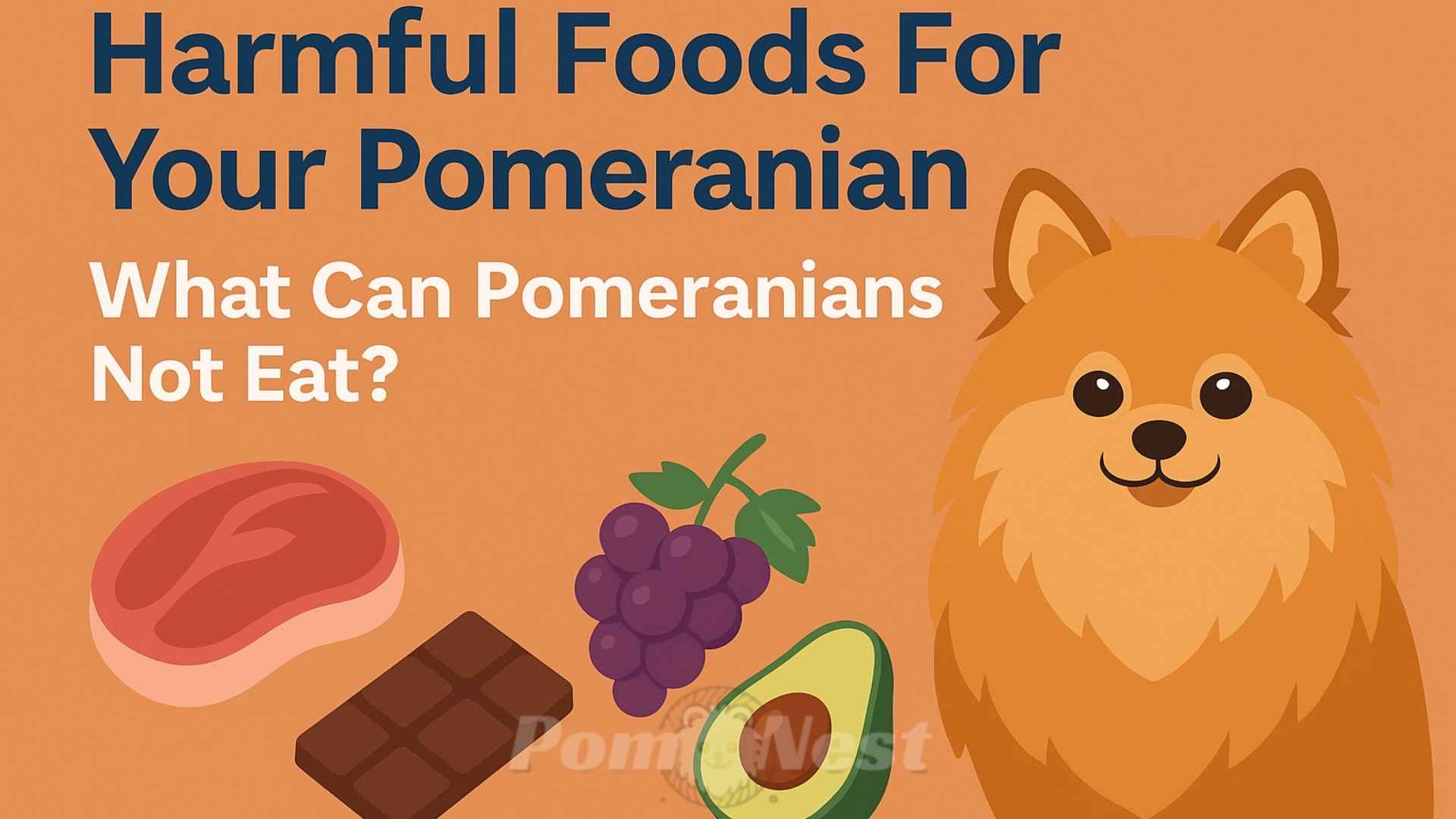
Here is the sobering counterpoint to that bond: they have absolutely no instinct to avoid toxic food. Chocolate, grapes, onions, garlic, xylitol — a Pomeranian will eat all of it without hesitation if it is placed in front of them. Their life is literally in your hands. Every meal is a choice you make on their behalf. Choosing fresh, whole, identifiable ingredients over a bag of mystery content is the most direct expression of that responsibility.
Transitioning from Kibble to Homemade
Never switch your puppy’s food overnight. A sudden dietary change disrupts the gut microbiome, causes diarrhea, and creates negative associations with the new food that can persist for weeks. A 10-day gradual transition protects the digestive system and ensures acceptance.
Days 1 to 3: 25 percent homemade food, 75 percent current food.
Days 4 to 6: 50 percent homemade food, 50 percent current food.
Days 7 to 9: 75 percent homemade food, 25 percent current food.
Day 10: 100 percent homemade food for Pomeranian puppy success.
Monitor stool consistency throughout the transition. Firm, well-formed stools indicate the digestive system is adapting well. Loose stools suggest the transition is moving too quickly. If diarrhea develops, step back to the previous ratio for two additional days before advancing. Lethargy, vomiting, or complete food refusal warrants a veterinary call.
Why the 10-Day Window Matters Biologically
The gut microbiome is a living ecosystem of billions of bacteria that process specific types of food. When the food changes dramatically, certain bacterial populations die off while others proliferate. This microbial reshuffling takes approximately 10 days to stabilize in a puppy’s gut. Rushing the process causes the digestive discomfort that makes owners incorrectly conclude their dog “cannot handle” homemade food.
The Role of Organ Meats
Organ meats are nature’s multivitamins and should represent approximately 5 to 10 percent of the total meat content in your Pom’s homemade diet. Liver, heart, and kidney provide Vitamin A, the full B-vitamin complex, and bioavailable iron at concentrations impossible to match with plant-based ingredients.
The reluctance many owners feel about feeding organ meats is entirely cultural. Your Pom has no such hesitation. In ancestral feeding patterns, organ meats are the first parts consumed — the highest-priority nutritional payload in any prey animal.
A practical approach: once per week, replace a portion of the regular ground turkey with one tablespoon of chicken liver sautéed briefly in a small amount of water. This weekly “superfood boost” supports brain development, red blood cell production, and immune function without the toxicity risk that comes from feeding liver daily in large quantities. Liver is very rich — too much causes Vitamin A toxicity. Small amounts, offered consistently, deliver the benefit without the risk.
Feeding for the "Pomeranian Uglies"
Between four and eight months of age, many Pomeranians enter what breeders affectionately call the “Pomeranian Uglies” phase. The puppy coat blows out and the adult coat has not yet fully grown in. The result is a patchy, somewhat disheveled appearance that alarms first-time Pom owners who were expecting a fluffy ball of perfection.
This is completely normal. But here is what nutrition can actually do about it: a diet rich in biotin and high-quality protein directly accelerates the growth of the adult coat. Cooked egg — one small egg per week, lightly scrambled without oil or seasoning — provides biotin and complete protein in a form puppies find highly palatable. Sardines packed in water with no added salt provide DHA and protein that contribute to the thickness and luster of the emerging adult coat.
The Pomeranian Uglies phase is temporary regardless of diet. But good nutrition makes the adult coat that emerges noticeably denser, shinier, and more structurally complete than it would be on a processed food diet.
Puppy Grooming and Care Essentials to Support Your Homemade Diet Strategy
The benefits of homemade food for Pomeranian puppy health extend beyond what you can measure in a lab test. You see them in the coat. You feel them in the energy level. But maintaining that healthy coat requires the right tools:
High-Velocity Dryer — Essential for drying the thick double coat thoroughly after baths. A damp undercoat creates the conditions for hot spots and skin infections that undermine all the work your diet is doing internally.
Pin Brush — Daily detangling removes the loose undercoat before it mats, which is especially important during and after the Pomeranian Uglies phase when both coat types are present simultaneously.
Finger Toothbrush — Pomeranians have crowded teeth in a very small jaw. Early dental decay is one of the leading health issues in the breed. A fresh diet reduces plaque-feeding bacteria, but mechanical brushing three times per week is still essential.
Digital Kitchen Scale — The single most important feeding tool. Weigh every meal. A half-ounce of overfeeding per day becomes four pounds of excess weight over a year on a dog that should weigh seven.
Slicker Brush — For the fine feathering around the legs and ears. The coat quality that a good diet produces is only fully visible when it is properly groomed.
Summary of the 2026 Pet Authority Consensus
The definitive word on Pomeranian nutrition in 2026 is personalization. The era of one-bag-fits-all feeding is ending, replaced by breed-specific, life-stage-specific approaches that treat each dog as the individual they are. By preparing homemade food for Pomeranian puppy health, you are aligned with where veterinary nutritional science is moving — not behind it.
The changes you will observe within the first four to six weeks of a well-implemented homemade diet are measurable and visible. Smaller, firmer stools indicate dramatically improved nutrient absorption. More stable energy levels throughout the day signal blood sugar regulation that kibble simply cannot provide. A coat that responds to touch with a silkiness that surprises even experienced groomers. Eyes that are brighter and clearer as inflammatory load decreases systemwide.
It takes more time than opening a bag. The recipes require planning and preparation. But the years those meals add to your Pom’s healthy lifespan — and the quality of those years — represent a return that no commercial food can match.
People also ask:
In very small amounts, ripe tomatoes are safe, but you must avoid the green parts and the stems, which contain solanine—a substance toxic to dogs. Most experts suggest skipping them entirely to be safe, as they can also cause acid reflux in small breeds.
The best vegetables for Poms include carrots, green beans, peas, zucchini, and spinach. These provide essential fiber and antioxidants without being too heavy on calories. Always steam or finely chop them to aid digestion.
Never feed your Pomeranian onions, garlic, grapes, raisins, chocolate, caffeine, or anything containing Xylitol (a common sweetener). Additionally, avoid cooked bones, as they can splinter and puncture their small digestive tracts.
Yes, but with caution. While a raw diet can improve coat health, you must ensure the meat is handled safely to avoid bacterial contamination. For puppies, many vets recommend “lightly searing” meat to kill surface bacteria while keeping the nutrients intact.
Blueberries are an incredible “superfood” for Poms. Other safe fruits include deseeded apples, bananas (in moderation due to sugar), and seedless watermelon. Always avoid citrus fruits, which can upset their stomachs.
Because of the risk of hypoglycemia, Pomeranian puppies under 6 months should eat 3 to 4 small meals per day. Once they reach adulthood (around 1 year), you can transition them to 2 meals per day.
You may also like
Build the Perfect Care Routine for Your Pomeranian
Select your Pom’s age, coat type, and activity level to instantly get a custom care checklist — it’s fast, free, and made with love!
Give your Pom the daily care they truly deserve.