
Vet-Recommended Best Food for Pomeranian Puppy - Feeding Guide

Lateef Bhatti
Author
🕐 12 min read · Updated: May 24, 2026
The best food for Pomeranian puppy health starts with one non-negotiable fact: these tiny dogs are not small versions of Labradors. They are metabolic rockets. Finding the right best food for Pomeranian puppy development means understanding that every single bite must work harder than it would for any other breed. A high-quality kibble with tiny pieces, 22% to 32% animal protein, healthy fats for that legendary double coat, and DHA for brain development is the foundation. Feed them 3 to 4 small meals daily to keep their energy steady and their little bodies fueled from morning until night.
Table of Contents
Toggle
Why Is Nutrient Density Critical for Small Breeds?
Pomeranians have tiny stomachs but enormous energy demands. Every bite has to count. When you fill that bowl with “filler” grains like corn or soy, you are essentially giving your puppy empty calories wrapped in a pretty bag. Without real nutrient density, these puppies can suffer from blood sugar crashes or stunted bone growth during their critical development window.
Here is what nobody tells you in the glossy pet food marketing: Pomeranians are the “metabolic Ferraris” of the dog world. They burn through energy at a rate that would leave a Labrador completely exhausted. This is exactly why a standard “all-life-stages” formula often fails them. Their food needs calorie-dense recipes where the first three ingredients are identifiable animal proteins, not grain fillers or mysterious by-products.
The Manganese Factor Most Owners Miss
Poms are genetically prone to luxating patellas, which is the kneecap dislocation issue that affects so many small breeds. Trace amounts of manganese in their daily diet actually strengthen the ligaments surrounding the knee. Most pet food guides skip this entirely. It should be on your label-reading checklist.
The Tear Stain Connection
Those rusty reddish stains under your Pom’s eyes are not just cosmetic. Highly processed mystery meats and artificial dyes are a leading trigger. Switching to a clean, limited-ingredient diet often clears up eye discharge within two to four weeks. It is one of the fastest visible improvements new owners report after upgrading their puppy’s food.
What Should a Pomeranian Puppy Eat for Optimal Growth?
A Pomeranian puppy needs a high-calorie, small-breed specific formula containing 22% to 32% high-quality animal protein and at least 10% healthy fats. Meals must be rich in DHA for brain development and omega fatty acids for their iconic double coat.
The concept every breed expert agrees on is bioavailability. The protein in your Pom’s food needs to be easy for their tiny digestive tracts to break down and absorb. Whole chicken, turkey, or lamb sitting at the top of the ingredient list is what you want. “Meat by-products” listed vaguely is what you want to avoid. The difference between a Pom thriving at six months versus one that seems perpetually low-energy often comes down to this single distinction.

What the “Puppy Uglies” Phase Demands from Their Diet
Between four and six months, your Pom will enter what the community calls the “puppy uglies,” losing their fluffy puppy coat before the adult coat grows in. During this phase, increasing Omega-3 and Omega-6 fatty acids through fish oil supplementation ensures the adult coat comes in thick, vibrant, and soft. Without adequate healthy fats during this window, the skin can become flaky and the emerging coat brittle. This is not a cosmetic issue. It is a nutritional one.
Is Rice Good for Pomeranian Puppies?
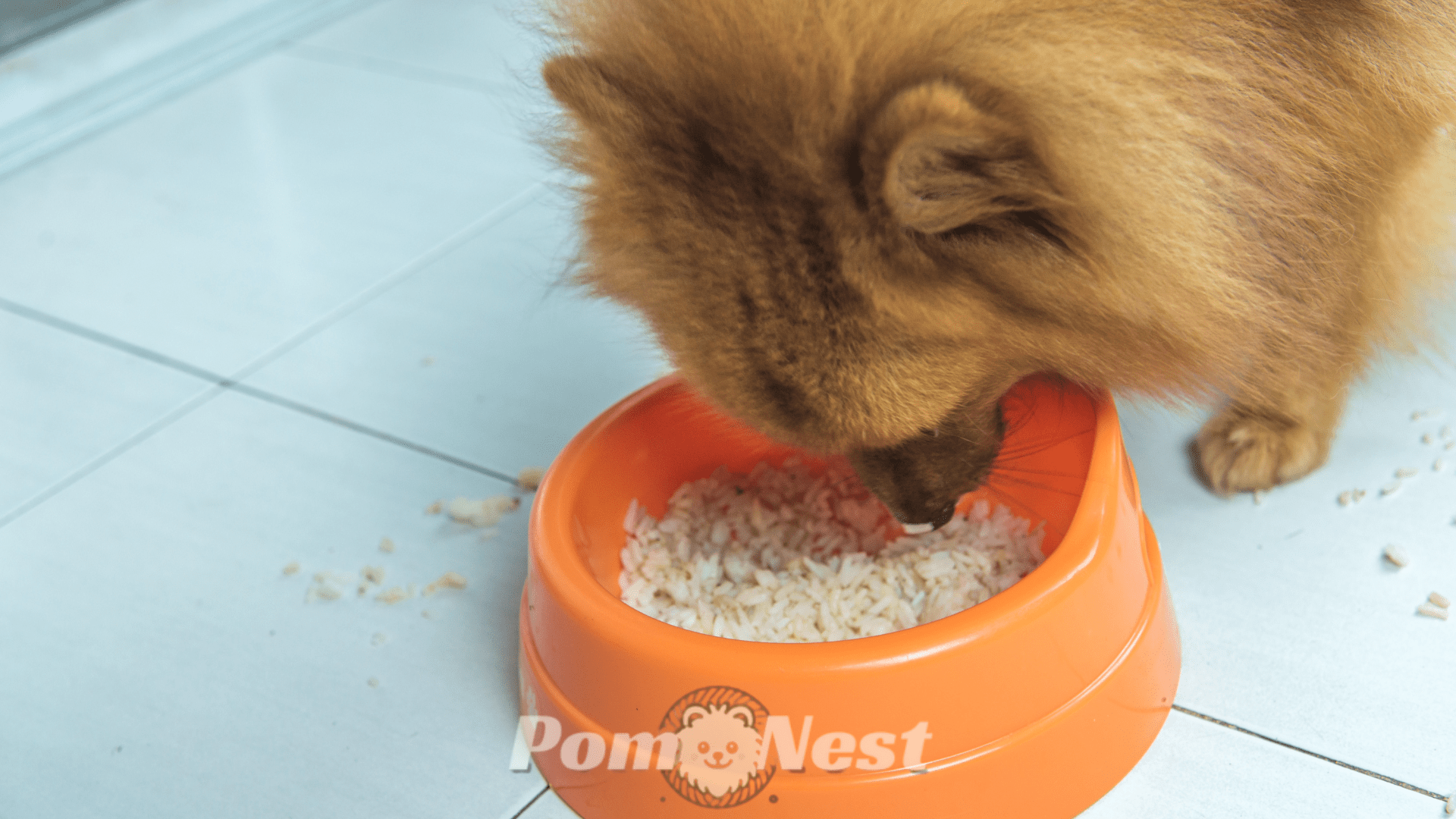
Yes. Cooked white or brown rice is an excellent, easily digestible carbohydrate source for Pomeranians, particularly those with sensitive stomachs. It acts as a gentle energy source and helps firm up loose stools during food transitions.
If your puppy is going through “transition tummy” after coming home from the breeder, a mixture of 75% boiled white rice and 25% boiled chicken is the gold-standard reset diet that vets and experienced breeders have recommended for decades. That said, rice should never become the primary ingredient in their long-term kibble. It is a support ingredient, not a foundation.
What Is the Healthiest Dog Food for Pomeranians?
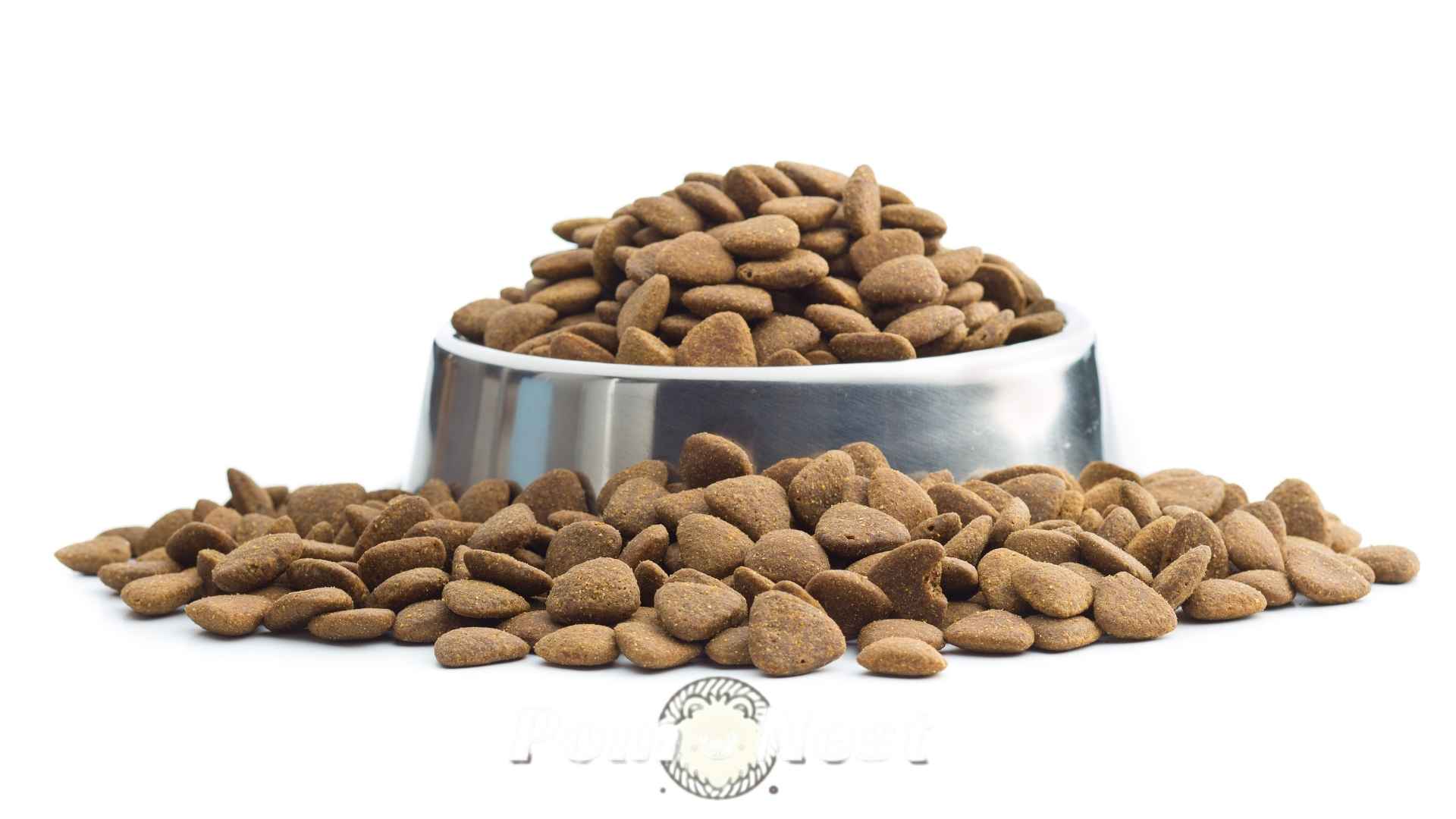
The healthiest option is a low-glycemic, meat-first recipe specifically engineered for small breeds. Two brands that consistently appear in vet recommendations and owner communities are Royal Canin Pomeranian Puppy and Hill’s Science Diet Small Paws. Both specifically engineer their kibble shape to help scrape away plaque, which matters because Pomeranians are notorious for crowded mouths where food particles trap easily and cause early periodontal disease.
If you use wet food, understand this trade-off clearly: wet food provides excellent hydration but requires you to brush your Pom’s teeth daily to compensate for the loss of the mechanical plaque-scraping benefit that hard kibble provides.
The Owner’s Perspective: Living with a Hunger Striker
Pomeranians are notorious hunger strikers. If the smell does not excite them, they will simply walk away and stare at you with regal indifference. One trick that works consistently is adding a teaspoon of warm water or a small topper of Merrick Grain-Free Puppy Plate to create a warm savory gravy that even the most stubborn Pom will find impossible to resist.
Watch for the “Pom spin” as your reliability indicator. That frantic 360-degree dance they do when food smells right is not just cute. It is a practical signal that the food is genuinely appealing to your dog. If the spin is absent, take note.
Can a Pomeranian Eat an Egg?

Yes. A plain, cooked egg is a nutritional powerhouse for Pomeranians. It provides highly bioavailable protein and biotin which supports skin and coat health. However, eggs belong in the “topper” category, making up no more than 10% of their total daily caloric intake.
One critical warning: never feed raw egg whites to a puppy. Raw egg whites contain avidin, which actively interferes with the absorption of B vitamins. Scrambled or hard-boiled eggs without salt or oil are the safe preparation methods for boosting protein intake.
Checklist: Your Pom’s First Pantry
Before you bring your puppy home, build this starter pantry. These are the essentials that experienced Pom owners and breeders stock before day one.
Micro-Kibble: Small-breed specific formula, pieces under 1/4 inch in diameter so tiny mouths can actually chew properly.
Probiotic Powder: Essential for preventing the diarrhea that commonly accompanies the stress of moving to a new home.
Nutri-Cal Paste: A high-calorie gel supplement to prevent hypoglycemic shocks, which are a real and dangerous risk in toy breed puppies under three months.
Stainless Steel Bowls: Plastic bowls harbor bacteria that cause facial acne and skin irritation in small breed puppies. Stainless steel or ceramic are the only acceptable options.
Freeze-Dried Liver: The highest-value training treat available. When you need your Pom to listen, this is the currency that works.
How Much Should You Feed a Pomeranian Puppy?
An 8-week-old Pomeranian puppy typically needs about 1/2 cup of food per day, divided into four small meals. As they approach six months, the amount transitions to 1/2 to 3/4 cup split across three meals, adjusted for their individual activity level and growth rate.
Here is the physiological quirk that trips up new Pom owners: Pomeranians can suffer from “empty stomach” bile vomiting if meals are spaced too far apart. If you see yellow foam in the morning before breakfast, your solution is simple. Give your Pom two or three kibbles as a tiny midnight snack right before you go to bed. It sounds counterintuitive but it is grounded in basic digestive biology.
Weight Management and the Safety Equation
Pomeranians are “easy keepers,” meaning they gain weight quickly. A single extra ounce on a Pom is equivalent to roughly ten pounds on a human body, relative to their frame size. Obesity in this breed leads directly to collapsed tracheas and accelerated joint failure, both of which are painful, expensive, and entirely preventable.
Consult your veterinarian for a personalized health plan and request OFA screenings for hips and knees along with CERF screenings for eyes to ensure your nutritional choices support your individual puppy’s genetic predispositions.
Can Pomeranians Drink Milk?
Most Pomeranians become lactose intolerant after weaning, meaning traditional cow’s milk triggers gas, bloating, and severe diarrhea. If you want to provide a milky treat that works, small amounts of plain goat milk or unsweetened yogurt are much easier on their digestive systems.
If your puppy is resistant to drinking plain water, flavoring it with a small splash of low-sodium chicken broth is a safe hydration trick. Hydration is not optional for toy breeds. Kidney health in Pomeranians depends on consistent water intake throughout their lives.
Understanding the "Pom-Specific" Ingredient Profile
When you scan labels looking for the best food for Pomeranian puppy health, marketing language will try to distract you. Here is what actually matters beyond protein source.
L-Carnitine helps metabolize fat into usable energy rather than stored body fat, which is especially important for a breed prone to obesity.
Glucosamine directly supports those delicate patellas and the joint structures that Poms are genetically predisposed to struggling with.
Prebiotic Fibers such as beet pulp or chicory root feed the beneficial bacteria in your Pom’s colon. This leads to smaller, firmer, and less odorous stools, which is a practical quality-of-life improvement for everyone in the household.
The Home-Cooking Debate: Is It Safe for Puppies?

Many owners want to cook for their Poms to avoid the heavily processed nature of commercial kibble. The intention is admirable. The execution is genuinely difficult. Balancing the calcium-to-phosphorus ratio required for a growing puppy is not something most home cooks can achieve without professional guidance.
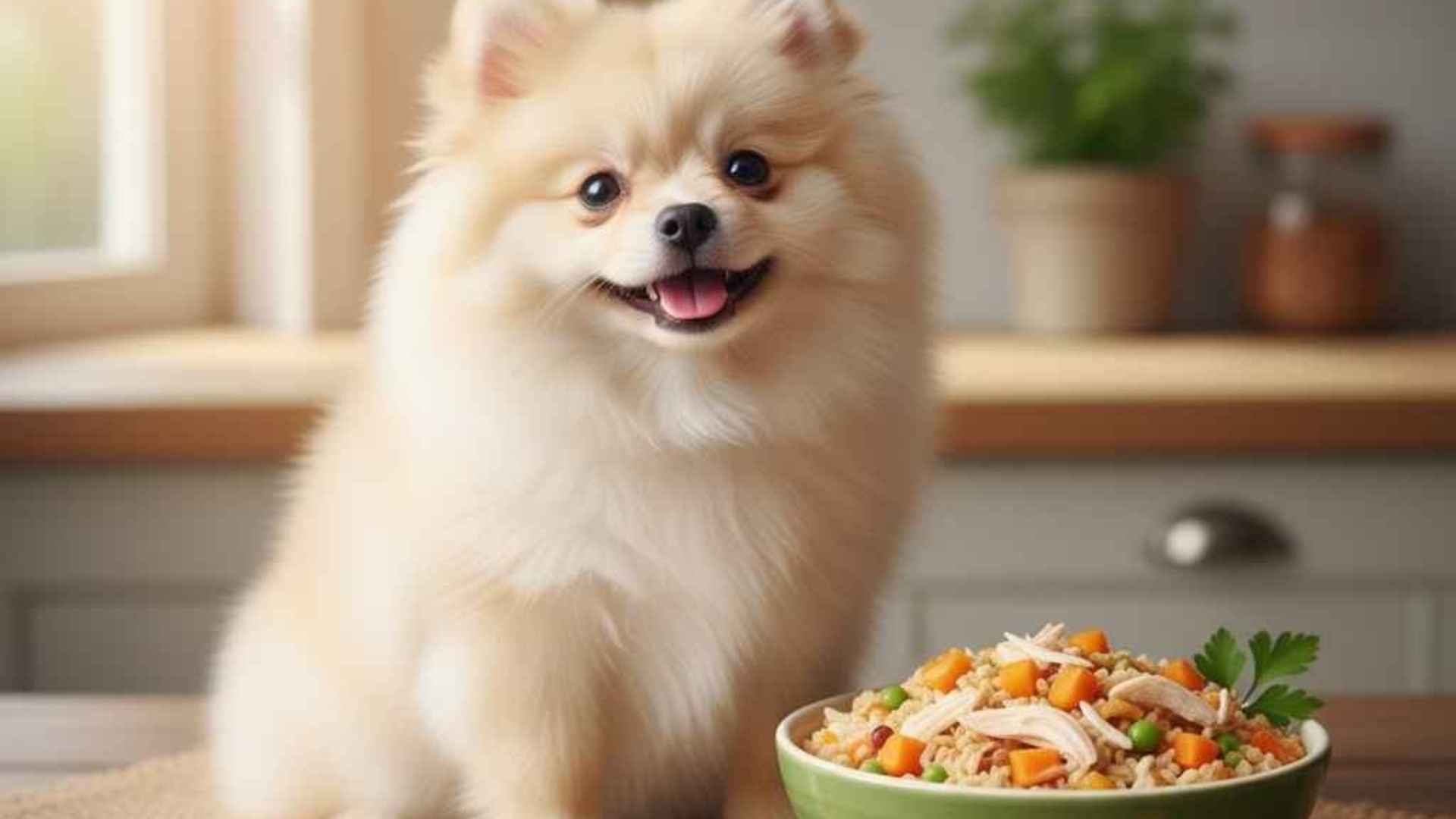
If you choose the home-cooked route, you must use a complete supplement like JustFoodForDogs Nutrient Blend. Without it, your puppy’s bones may become brittle due to nutritional imbalances that are invisible to the naked eye. A safe starter recipe includes:
- Ground turkey, lean
- Steamed spinach, chopped fine
- Brown rice
- Blueberries for antioxidants
This is a starting point, not a complete long-term solution. Work with a veterinary nutritionist before making home cooking your puppy’s exclusive diet.
Transitioning from Puppy to Adult Food
Around the 10-to-12-month mark, your Pomeranian’s growth plates close. This is the moment when the high-calorie puppy food that served them so well starts becoming a liability for weight gain. The transition must be gradual to avoid digestive upset.
Transition slowly over 10 days using this ratio schedule:
- Days 1 to 3: 75% Puppy food, 25% Adult formula
- Days 4 to 6: 50% Puppy, 50% Adult
- Days 7 to 9: 25% Puppy, 75% Adult
- Day 10: 100% Adult formula
If you notice scratching after the switch, this signals a sensitivity to the new protein source, not a failure of the adult food itself. Switch to a limited ingredient adult formula with a novel protein like duck or salmon to identify and avoid the trigger.
Health & Genetics: The Nutritional Link
Pomeranians are genetically predisposed to two conditions that diet directly influences: Alopecia X, commonly called Black Skin Disease, and Tracheal Collapse. Understanding these connections changes how you approach every food decision you make for your puppy.
Tracheal Support: Keeping your Pom lean is the single most powerful preventive measure against the honking cough associated with a collapsing trachea. Every gram of excess fat adds pressure to a structure that is already delicate in this breed. Weight management is not cosmetic. It is medical.
Skin Support: Biotin and Vitamin E are your primary tools for managing Alopecia X’s visible effects. If your Pom’s skin looks dark or the hair is thinning in patches, look specifically for a food with elevated zinc levels. This mineral plays a critical role in skin cell regeneration and coat density.
Top Food for Pomeranian Baby Dogs
The best chow for a Pomeranian puppy is protein-packed, vet-approved, and formulated to support immune development, brain growth, and joint protection simultaneously. Royal Canin consistently earns top placement on Pomeranian-specific recommendation lists, with Hill’s Science Diet and Wellness Core rounding out the reliable options.
| Feature | Benefit |
|---|---|
|
Tailored kibble size |
Designed for miniature jaws and picky eaters |
|
Antioxidants (Vitamins E & C) |
Support immune system development |
|
EPA & DHA fatty acids |
Boost brain development and skin health |
|
Prebiotics and digestible proteins |
Enhance digestive health and stool quality |
High-Quality Dry Kibble (Small-Breed Formula)
Royal Canin Pomeranian Puppy Dry Food – Tailored specifically for Pomeranian breed characteristics including coat health and joint support. The kibble shape is engineered for their jaw structure. This is the best dog food for Pomeranian puppy if budget allows.
Wellness CORE Grain-Free Small Breed Puppy – Rich in protein and vitamin DHA. Excellent support for eye and brain development during the critical early months.
Hill’s Science Diet Puppy Small Paws – Gentle on sensitive stomachs and thoughtfully balanced for small breed nutritional requirements. A reliable choice for puppies with digestive sensitivities.
Wet Food for Extra Hydration
Blue Buffalo Homestyle Recipe Puppy Wet Food – Strong protein source with excellent moisture content and genuine palatability that even picky Poms tend to accept.
Merrick Grain-Free Puppy Plate – High protein content with quality fat sources that support energy levels without unnecessary fillers.
Raw or Freeze-Dried Options
Stella and Chewy’s Freeze-Dried Raw Puppy Patties – A more natural approach to feeding with minimal processing. Excellent for owners committed to a less commercially processed diet.
Instinct Raw Boost Mixers – Designed to integrate with your Pom’s primary dry food as a nutrient-dense topper rather than a complete meal replacement.
The "Owner's Perspective": The Specific Way They Bark
Living with a Pom means learning their “food bark.” It is a sharp, persistent, high-pitched yip that occurs with uncanny precision approximately five minutes before scheduled mealtime. They are the ultimate biological alarm clocks, perfectly calibrated to the exact moment your focus shifts to anything other than their bowl.
A well-fed Pom is a confident Pom. If your dog is acting “hangry,” irritable, or unusually nippy between meals, check their blood sugar before assuming it is a behavior problem. A small meal or even a lick of honey can calm a frantic puppy who has simply burned through their available fuel. This is a physiological reality of the breed, not a character flaw.
Final Thoughts on the Best Food for Pomeranian Puppy Health
Getting your Pomeranian puppy’s nutrition right from week one is not just about avoiding problems. It is about building the foundation for the next 12 to 16 years of their life. The decisions you make in those first twelve months shape their coat quality, joint health, dental health, and weight trajectory in ways that follow them permanently.
Whether you choose Royal Canin’s breed-specific formula, a clean grain-free option like Wellness CORE, or a thoughtfully supplemented home-cooked approach, the non-negotiables remain constant: meat first, right kibble size, consistent feeding schedule, and vigilant weight monitoring.
The best food for Pomeranian puppy success is the one that keeps your dog lean, energetic, coat-shining, and doing the “Pom spin” every single mealtime. When you see that spin, you will know you got it right.
People also ask:
Try adding a “stinky” topper like freeze-dried salmon or a spoonful of warm, low-sodium chicken broth. Poms are scent-driven eaters; if it smells strong, they are more likely to dive in.
Recent studies suggest a link between heart issues (DCM) and grain-free diets that rely heavily on legumes like peas and lentils. Unless your Pom has a diagnosed grain allergy, a grain-inclusive diet with oats or rice is generally safer.
You should feed them 4 times a day. Their tiny livers cannot store much glycogen, making them prone to dangerous drops in blood sugar if they skip even one meal.
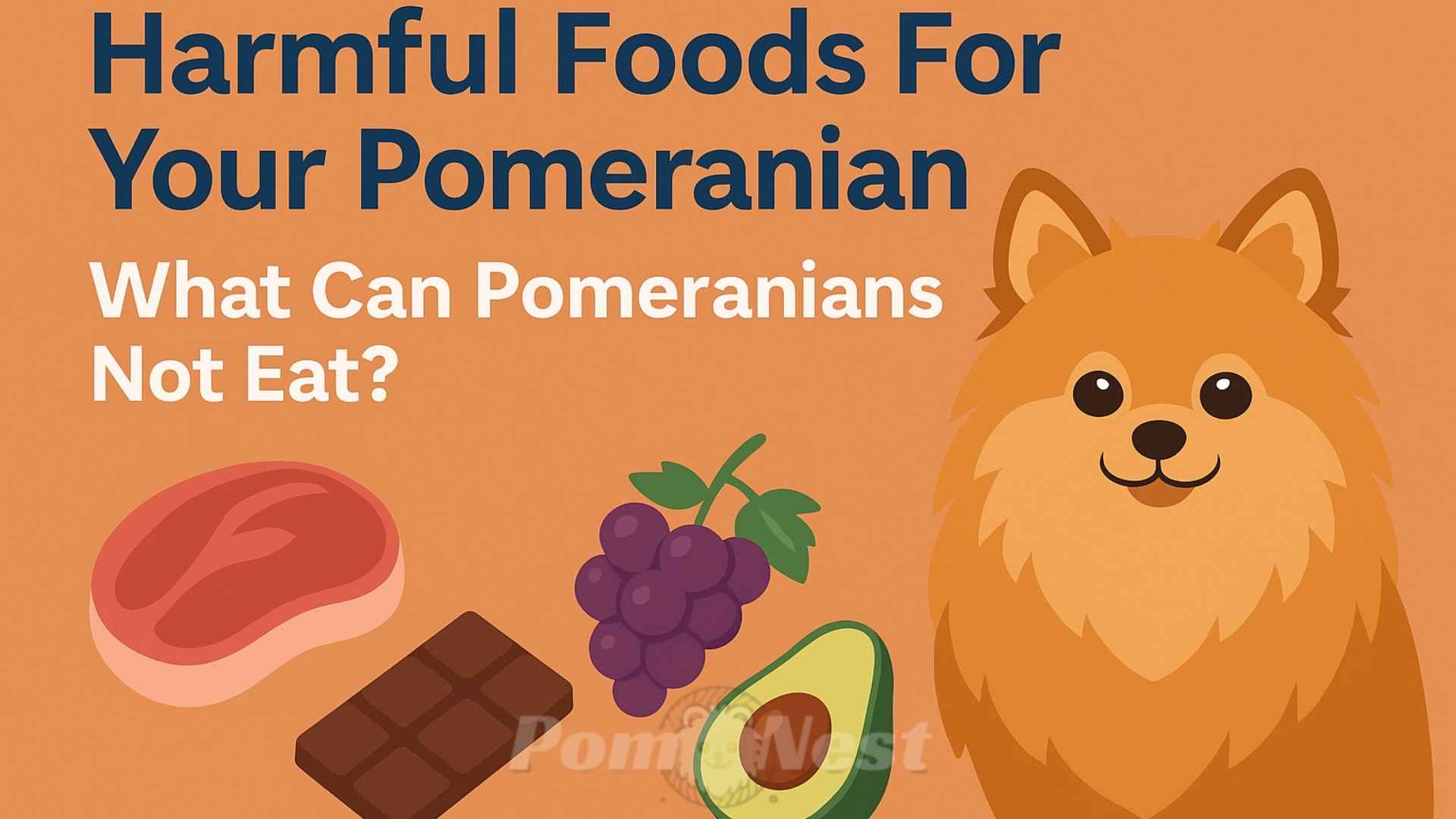
Yes, blueberries, apples (no seeds), and bananas are excellent snacks. Avoid grapes and raisins at all costs, as they are toxic to dogs and can cause kidney failure.
Often, this is a sign of boredom or a minor upset stomach. However, if they do it constantly, they may be seeking more fiber in their diet. Try adding a small amount of steamed green beans to their bowl.
Small pieces of boiled chicken or commercial “training treats” that are 3 calories or less. Because Poms are so small, you can easily overfeed them during a single training session.
You may also like
Build the Perfect Care Routine for Your Pomeranian
Select your Pom’s age, coat type, and activity level to instantly get a custom care checklist — it’s fast, free, and made with love!
Give your Pom the daily care they truly deserve.