
Hill’s Science Diet Pomeranian Nutrition: The Gold Standard for Your Fluff

Lateef Bhatti
Author
Hill’s Science Diet Pomeranian food is a top choice for these fluffy dogs because it has tiny kibble that is easy for small mouths to chew. It contains special nutrients like Omega-6 and Vitamin E to keep their thick coats shiny and prebiotic fiber to help their sensitive tummies stay happy. Vets recommend this food because it provides the right energy and joint support to help Pomeranians live a long, healthy, and active life.
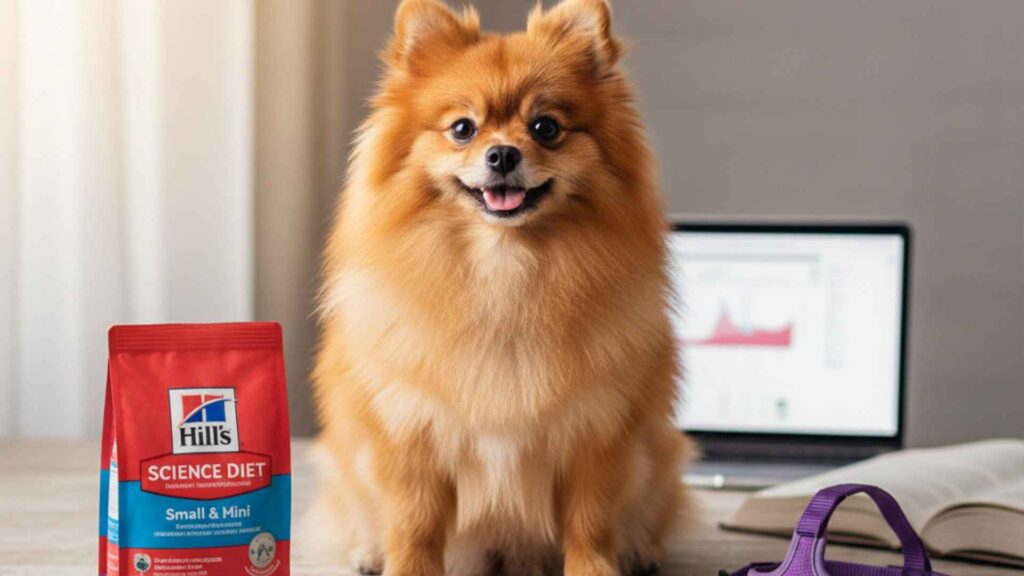
Choosing the right fuel for a three-pound fireball of fur isn’t just about filling a bowl. It’s about managing a high-performance metabolism trapped in a tiny, delicate body. Hill’s Science Diet Pomeranian formulas are engineered to address the physiological hurdles unique to this Spitz descendant—from luxating patellas to the dreaded “black skin disease” (Alopecia X).
Table of Contents
TogglePoms are not “small versions of big dogs.” They are biologically distinct. Their hearts beat faster. Their skin is more prone to dryness. Their windpipes are as fragile as a glass straw.
In this deep dive, we explore why this specific veterinary-backed diet has become the benchmark for the breed. We draw on clinical data and community insights from specialized hubs to provide the final word on feeding your fox-faced friend.
Why Is Hill’s Science Diet Recommended by Vets for Pomeranians?

Veterinarians prefer Hill’s Science Diet because it undergoes rigorous clinical testing and provides precise nutrient profiles that prevent common toy-breed issues like hypoglycemia and dental crowding. The “Small & Mini” kibble is specifically shaped to accommodate the Pomeranian’s brachycephalic-leaning jaw structure, ensuring safe chewing and effective plaque reduction.
Poms are prone to Tracheal Collapse, a condition where the cartilage rings of the windpipe weaken. Heavy, low-quality fillers in bargain brands can lead to obesity, which puts fatal pressure on that tiny airway. Hill’s uses high-quality poultry proteins and controlled fiber to maintain a lean physique. This keeps the pressure off their throat and joints.
💎 Hidden Gem: The “Second-Shed” Secret
Did you know Pomeranians have a “puppy ugly” phase? Between 4-8 months, they lose their baby coat. Science Diet’s inclusion of high levels of Linoleic Acid (Omega-6) and Vitamin E doesn’t just make the coat “shiny.” It provides the lipid building blocks necessary for the adult double coat to grow in thick and resilient, potentially mitigating future skin issues.
Is Science Diet Good for Poms with Sensitive Stomachs?
The Hill’s Science Diet Sensitive Stomach & Skin Small & Mini formula is highly effective for Pomeranians because it utilizes prebiotic fiber (beet pulp) to fuel beneficial gut bacteria. This stabilization prevents the “gurgly gut” and intermittent diarrhea often seen in high-strung toy breeds.
The “Owner’s Perspective”: The Reality of the Pom Bark
If you live with a Pom, you know the “alert bark.” It’s sharp, frequent, and loud. While diet doesn’t stop the barking, the L-Tryptophan and magnesium levels in premium diets like Hill’s can help support a steadier nervous system.
A Pom on a high-sugar, filler-heavy diet often displays “zoomie-crashes”—periods of hyper-activity followed by lethargy. A steady glycemic index in Science Diet keeps their energy levels consistent. This means fewer 3:00 AM sprints across your face.
Nutritional Comparison: Small & Mini Variations

Recommended Hill’s Science Diet Products
Hill’s Science Diet Small & Mini Adult (Chicken & Brown Rice) – A highly digestible, small-bite kibble rich in lean protein, omega-6s, and vitamin E for skin and coat support, tailored specifically for small breeds like Pomeranians.
👉 Available here 🛒
Hill’s Science Diet Small & Mini Adult (Lamb & Brown Rice) – Offers the same small-bite, balanced nutrition in lamb form—another great alternative for Pomeranian owners looking for variety.
👉 Available here 🛒
Hill’s Science Diet Perfect Weight, Small & Mini Chicken Recipe – Ideal for Pomeranians prone to weight gain, this formula includes L-carnitine and lean protein to promote healthy weight maintenance.
👉 Available here 🛒
Hill’s Science Diet Sensitive Stomach & Skin, Small & Mini Breeds (Chicken Recipe) – Designed for Poms with digestive or skin sensitivities, containing prebiotic fiber, omega-6s, and vitamin E for gentle digestion and coat health.
👉 Available here 🛒
🐾 We’re updating this page to include safe purchase links for Hill’s Science Diet Pomeranian food. Check back soon!
What Are the Most Common Health Risks for Pomeranians?
The primary health risks include Luxating Patella (kneecap dislocation), Collapsing Trachea, and Hypoglycemia. A diet rich in Glucosamine and Chondroitin (found in Hill’s specialty lines) supports joint health. Frequent, nutrient-dense meals prevent dangerous drops in blood sugar.
💎 Hidden Gem: The “Tiny Tooth” Crisis
Pomeranians often retain their “baby” teeth alongside adult ones, leading to massive plaque buildup. Hill’s Science Diet kibble uses a specific fiber matrix technology that acts like a toothbrush.
Unlike soft “grocery store” kibble that shatters instantly, these pieces resist breaking just long enough to scrub the tooth surface as the dog bites down. This is critical because Poms are highly susceptible to early-onset periodontal disease.
How Does Hill’s Support the "Pomeranian Personality"?
Pomeranians are famously “big dogs in small bodies.” This psychological trait requires a diet that supports cognitive health. Hill’s incorporates antioxidants like Vitamin C and E, which have been shown in clinical trials to support brain function in aging small breeds.
When a Pom feels physically well, their temperament stabilizes. A dog with a sour stomach or itchy skin is a nippy dog. By addressing the “Small Breed Syndrome” through nutrition, you are effectively investing in a more social, happy pet.
Your Pomeranian Care Checklist: Essentials for Success

- The Grooming Kit: A slicker brush, a metal “greyhound” comb, and high-quality detangling spray.
- Dental Defense: Enzymatic toothpaste and Hill’s Small & Mini dental-friendly kibble.
- Safety Gear: A Y-shaped harness (never use a collar on a Pom’s neck to avoid tracheal damage).
- Health Tracking: Annual OFA (Orthopedic Foundation for Animals) screenings for knees and CERF exams for eyes.
- High-Calorie Gel: Keep a tube of Nutri-Cal handy in case of a hypoglycemic episode, especially for puppies.
Safety First: Always consult with a veterinarian for a personalized health plan. Pomeranians are prone to idiosyncratic reactions; a professional can help you transition diets safely.
The Role of DHA in Pomeranian Puppy Development
If you are raising a Pom puppy, the Small Paws Puppy formula is non-negotiable. It contains DHA from fish oil. DHA is a structural fat in the brain and retina.
In toy breeds, where brain-to-body mass ratios are high, this fatty acid is vital for “trainability.” Poms are smart but stubborn. A brain fueled by DHA is a brain that listens better during potty training.
Managing the "Senior Slide": When to Switch to Age-Defying Nutrition?

Most Poms reach their senior years around age 7 or 8. At this stage, their caloric needs drop, but their need for joint support sky-rockets. Hill’s Science Diet Senior Vitality is designed for this transition.
The “Owner’s Perspective”: The Senior Snore
As Poms age, they might develop a slight “honk” or snore. This is often related to the soft palate or trachea. Weight management becomes the #1 health priority here. Even an extra half-pound on a Pom is equivalent to 20 pounds on a human. Hill’s “Perfect Weight” formula uses high protein and low calories to keep that pressure off the heart and lungs.
Why Is Kibble Shape Crucial for Toy Breeds?
A Pomeranian’s mouth is tiny. Large kibble isn’t just a choking hazard; it’s a deterrent. If a Pom finds it difficult to eat, they may simply stop, leading to a dangerous drop in blood sugar.
Hill’s “nibble-sized” kibble is designed for the specific bite force of a toy breed. It’s light enough to be crushed by delicate jaws but firm enough to provide the mechanical scraping needed for dental health.
Is Grain-Free Better for Pomeranians?
Current veterinary consensus, supported by the FDA, suggests that grain-inclusive diets like Hill’s Science Diet are generally safer than grain-free options. Grain-free diets have been tentatively linked to Dilated Cardiomyopathy (DCM).
Poms already have a predisposition to heart valve issues. Adding a grain-free risk is usually unnecessary unless your dog has a scientifically confirmed grain allergy (which is rare). Hill’s uses high-quality grains like brown rice and barley to provide stable energy without the heart risks.
The 7-Day Transition Plan
Pomeranians have notoriously sensitive “diva” stomachs. Swapping food overnight is a recipe for disaster.
- Days 1-2: 25% Hill’s, 75% old food.
- Days 3-4: 50% Hill’s, 50% old food.
- Days 5-6: 75% Hill’s, 25% old food.
- Day 7: 100% Hill’s Science Diet.
Observe their stool during this time. It should remain firm. If it softens, slow the transition down.
People also ask:
The best diet is a calorie-dense, small-kibble formula specifically designed for toy breeds, such as Hill’s Science Diet Small & Mini. It should prioritize real animal protein, include Omega-6 fatty acids for the double coat, and contain controlled minerals to prevent bladder stones.
Yes, Hill’s is one of the most frequently recommended brands by veterinarians worldwide. This is due to their “Evidence-Based Clinical Nutrition,” meaning they employ full-time board-certified veterinary nutritionists and Ph.D. scientists to formulate their meals.
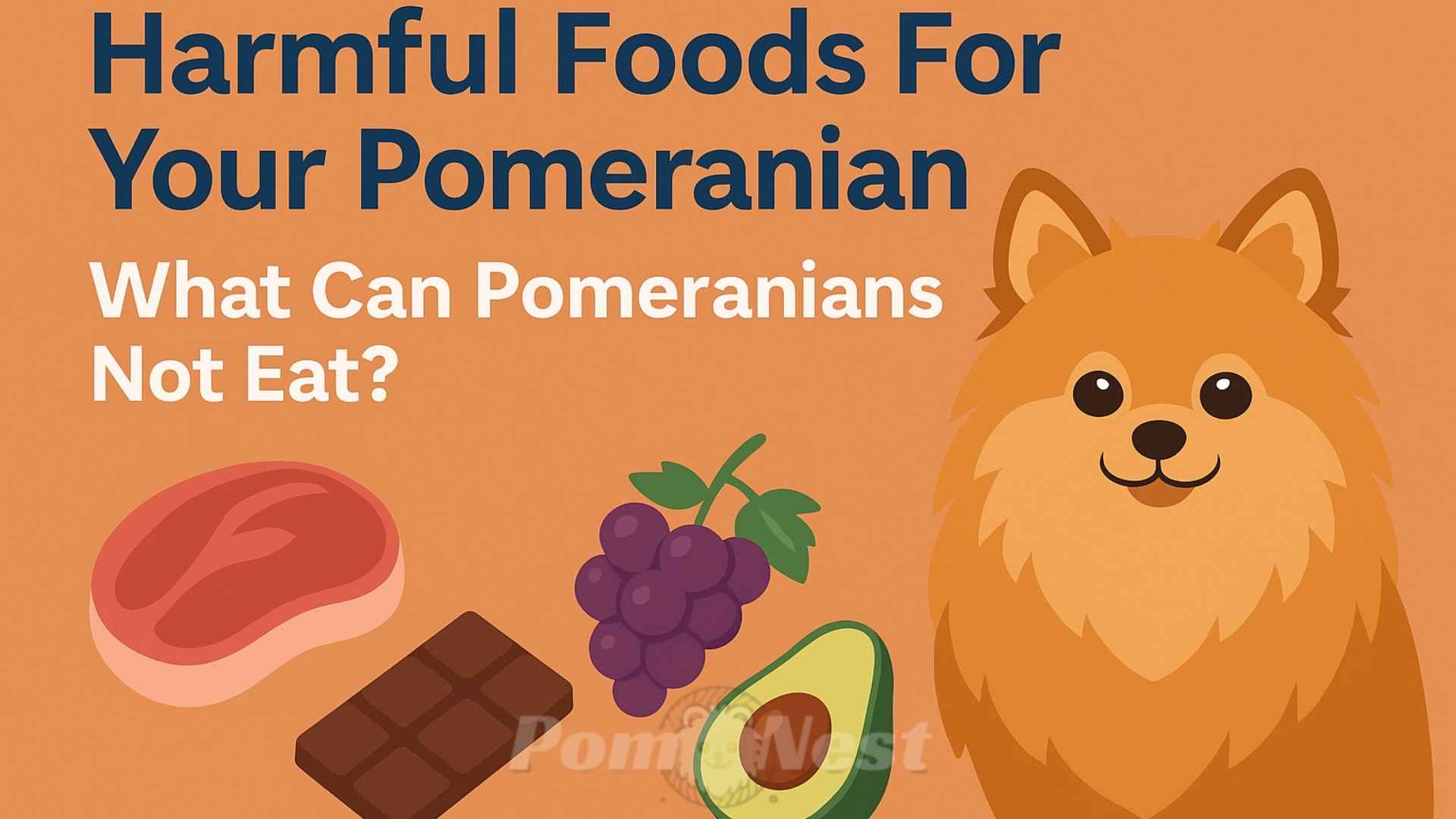
Avoid grapes, raisins, onions, garlic, chocolate, and anything containing Xylitol (often found in peanut butter). Additionally, avoid “boutique” exotic protein diets that lack long-term nutritional trials, as these can lead to heart deficiencies in small breeds.
Most adult Pomeranians require between 1/4 and 1/2 cup of high-quality kibble per day, divided into two or three meals. Because Hill’s is calorie-dense, you can feed smaller volumes while still meeting all metabolic needs, which prevents the stomach from over-distending.
Yes, cooked white or brown rice is safe and often included in Hill’s recipes as a highly digestible carbohydrate. However, it should never be the only thing they eat, as it lacks the essential amino acids and taurine required for heart health in toy breeds.
Poms may become picky due to dental pain, boredom, or over-treating. If your Pom refuses Hill’s, try adding a tablespoon of warm water to the kibble to release the aroma. If refusal persists for more than 12 hours, consult a vet to rule out hypoglycemia.
You may also like
Build the Perfect Care Routine for Your Pomeranian
Select your Pom’s age, coat type, and activity level to instantly get a custom care checklist — it’s fast, free, and made with love!
Give your Pom the daily care they truly deserve.