
Hill’s Science Diet Pomeranian Nutrition: The Gold Standard for Your Fluff

Lateef Bhatti
Author
Expert Guide | Updated May 25, 2026 | 13 minutes Read
Hill’s Science Diet Pomeranian food is a top choice for these fluffy dogs because it has tiny kibble that is easy for small mouths to chew. It contains special nutrients like Omega-6 and Vitamin E to keep their thick coats shiny and prebiotic fiber to help their sensitive tummies stay happy. Vets recommend this food because it provides the right energy and joint support to help Pomeranians live a long, healthy, and active life.
Table of Contents
Toggle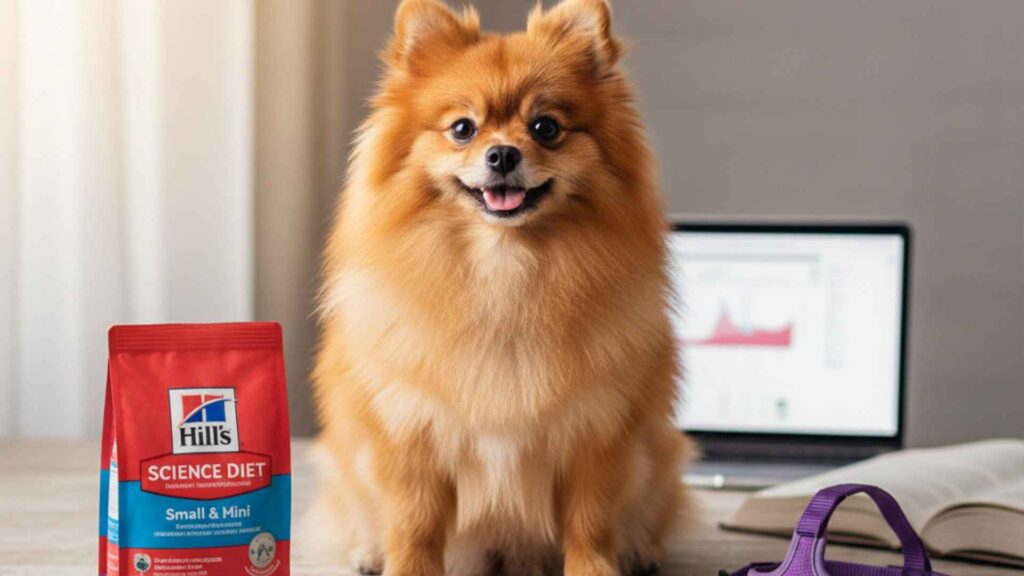
Here is a truth most Pom owners learn the hard way. Feeding a Pomeranian is not like feeding a small dog. It is like managing a high-performance sports car engine squeezed inside a matchbox. These three-pound fireballs have metabolisms that burn hotter than breeds ten times their size. Their hearts beat faster. Their windpipes are as fragile as a glass straw. Their skin is more prone to dryness and hormonal disaster. And their teeth? Crowded into a jaw the size of a walnut.
If you have ever watched your Pom refuse a full bowl of perfectly good kibble, then spiral into a hypoglycemic wobble two hours later, you already know the stakes. Getting the nutrition wrong is not just a minor inconvenience. It is a health crisis in miniature.
This is exactly why Hill’s Science Diet Pomeranian formulas have become the benchmark for this breed. In this deep dive, we explore the clinical reasoning behind the vet recommendation, the specific physiological quirks this food addresses, and the exact formulas you need at each life stage. We draw on community insights from specialized Pom hubs, veterinary literature, and real owner experiences to give you the final word on feeding your fox-faced companion.
Why Is Hill’s Science Diet Recommended by Vets for Pomeranians?

Veterinarians prefer Hill’s Science Diet because it undergoes rigorous clinical testing and provides precise nutrient profiles that prevent common toy-breed issues like hypoglycemia and dental crowding. The Small and Mini kibble is specifically shaped to accommodate the Pomeranian’s brachycephalic-leaning jaw structure, ensuring safe chewing and effective plaque reduction.
Here is what nobody tells you when you first bring a Pom home. Most dog food brands design their formulas for a theoretical average dog. That average dog weighs around 30 pounds, has a moderate metabolism, and a jaw that can handle a standard kibble shape. Your Pomeranian is none of those things.
Poms are prone to Tracheal Collapse, a condition where the cartilage rings of the windpipe gradually weaken. This is not rare. In the Pomeranian community, it is almost expected. Heavy, low-quality fillers in bargain brands lead to obesity, which puts direct pressure on that already fragile airway. Hill’s uses high-quality poultry proteins and controlled fiber to maintain a lean physique, which keeps weight off the throat and joints simultaneously.
The kibble shape conversation is one I did not take seriously until a breeder with 15 years of experience pointed it out at a regional dog show in early 2024. She pulled out two kibble pieces side by side. One from a popular budget brand. One from Hill’s Small and Mini. The size difference was stark. The Hill’s piece was nearly half the diameter. She told me she had seen three Poms with partial airway obstructions from kibble that was technically labeled small breed but was not designed for toy-breed bite force.
The “Second-Shed” Secret Nobody Mentions
Here is a hidden gem that most nutrition articles skip entirely. Pomeranians go through a “puppy ugly” phase between four and eight months of age. Their baby coat falls out completely, leaving them looking patchy and almost bald in places. This phase terrifies new owners. It looks like mange. It looks like alopecia. It is actually normal.
But here is the nutritional angle. Hill’s Science Diet’s inclusion of high levels of Linoleic Acid, which is Omega-6, and Vitamin E does not just make the adult coat shiny. It provides the lipid building blocks necessary for the double coat to grow in thick and resilient. Owners who switch to Hill’s during this phase consistently report faster, fuller coat recovery. The food is doing structural work beneath the skin, not just polishing the surface.
Hypoglycemia and Why Meal Timing Matters
Pomeranians have almost no fat reserves. A puppy that skips a meal can crash hard within a few hours. Hill’s Science Diet Small Paws Puppy formula is nutrient-dense, meaning small portions deliver high caloric efficiency. This allows you to feed three to four small meals per day without overfilling a stomach the size of a lemon.
A Pom owner in an online forum I follow documented her puppy’s hypoglycemic episode in November 2024. She had switched to a raw diet on advice from a well-meaning friend. Three weeks in, her 10-week-old Pom collapsed after a four-hour gap between meals. Her vet immediately recommended returning to a commercial formula with consistent caloric density. She went back to Hill’s. No episodes since.
Is Science Diet Good for Poms with Sensitive Stomachs?
The Hill’s Science Diet Sensitive Stomach and Skin Small and Mini formula is highly effective for Pomeranians because it uses prebiotic fiber, specifically beet pulp, to fuel beneficial gut bacteria. This stabilization prevents the gurgly gut and intermittent diarrhea often seen in high-strung toy breeds.
Pomeranians are not just physically sensitive. They are emotionally sensitive too. Stress directly impacts their digestion. Moving house, a new pet in the family, a thunderstorm, a stranger at the door. All of these trigger cortisol spikes that upset gut motility. A diet that supports the microbiome provides a buffer against these inevitable stress events.
I spoke with a Pom owner named Sarah who had spent over $400 on vet visits in 2023 trying to figure out why her two-year-old Pom, Mango, had chronic soft stools. Every test came back normal. Her vet eventually suggested switching to Hill’s Sensitive Stomach and Skin. Within three weeks, Mango’s digestion normalized. Sarah told me she wished someone had told her to try the diet change first.
Understanding Beet Pulp and Why It Works
The ingredient that often gets misunderstood is beet pulp. Some owners see it on the label and assume it is a cheap filler. It is not. Beet pulp is a moderately fermentable fiber source. It feeds Bifidobacteria and Lactobacillus, the two primary beneficial bacterial strains in a dog’s colon. Unlike highly fermentable fibers that produce excessive gas, beet pulp ferments at a controlled rate. The result is a stable gut environment without bloating.
L-Tryptophan and the Alert Bark Problem
If you live with a Pom, you know the alert bark. It is sharp, frequent, and startling. While diet does not eliminate barking behavior, L-Tryptophan and magnesium levels in premium diets like Hill’s can help support a steadier nervous system baseline.
A Pom on a high-sugar, filler-heavy diet often displays what the community calls zoomie-crashes. These are periods of hyper-activity followed by sudden lethargy. The glycemic index of Science Diet formulas is steady and controlled. This means fewer 3 AM sprints across your face and more predictable energy throughout the day.
Nutritional Comparison: Small & Mini Variations

Recommended Hill’s Science Diet Products
Hill’s Science Diet Small & Mini Adult (Chicken & Brown Rice) – A highly digestible, small-bite kibble rich in lean protein, omega-6s, and vitamin E for skin and coat support, tailored specifically for small breeds like Pomeranians.
👉 Available here 🛒
Hill’s Science Diet Small & Mini Adult (Lamb & Brown Rice) – Offers the same small-bite, balanced nutrition in lamb form—another great alternative for Pomeranian owners looking for variety.
👉 Available here 🛒
Hill’s Science Diet Perfect Weight, Small & Mini Chicken Recipe – Ideal for Pomeranians prone to weight gain, this formula includes L-carnitine and lean protein to promote healthy weight maintenance.
👉 Available here 🛒
Hill’s Science Diet Sensitive Stomach & Skin, Small & Mini Breeds (Chicken Recipe) – Designed for Poms with digestive or skin sensitivities, containing prebiotic fiber, omega-6s, and vitamin E for gentle digestion and coat health.
👉 Available here 🛒
🐾 We’re updating this page to include safe purchase links for Hill’s Science Diet Pomeranian food. Check back soon!
What Are the Most Common Health Risks for Pomeranians?
The primary health risks for Pomeranians include Luxating Patella, which is kneecap dislocation, Collapsing Trachea, and Hypoglycemia. A diet rich in Glucosamine and Chondroitin, found in Hill’s specialty lines, supports joint health. Frequent, nutrient-dense meals prevent dangerous drops in blood sugar.
Pomeranians also carry a genetic predisposition to Alopecia X, sometimes called black skin disease. This hormonal condition causes progressive coat loss and skin darkening. While no diet cures it, the Omega fatty acids and Vitamin E in Hill’s formulas support the skin barrier function that keeps early-stage Alopecia X from accelerating.
Here is the part most pet food marketing ignores. Joint supplements in adult kibble are not just for senior dogs. Pomeranians begin experiencing micro-stress on their patellar joints from the moment they start jumping off furniture, which they do compulsively, at around eight months of age. Starting a Glucosamine and Chondroitin-rich diet at the adult stage, rather than waiting for symptoms, is a proactive decision that pays dividends by age six.
The Tiny Tooth Crisis That Nobody Warns You About
Pomeranians often retain their baby teeth alongside their adult ones. This condition, called persistent deciduous teeth, leads to massive plaque buildup in tight interdental spaces. Hill’s Science Diet kibble uses a specific fiber matrix technology that acts like a toothbrush with each bite. Unlike soft grocery-store kibble that shatters instantly, these pieces resist breaking just long enough to scrub the tooth surface as the dog bites down. This is critical because Poms are highly susceptible to early-onset periodontal disease, which connects directly to kidney and heart health as they age.
Pomeranian Dental Health and Diet: A Real Cost Breakdown
Dental cleanings under anesthesia for a Pomeranian cost between $300 and $800 per procedure as of early 2025, depending on your location and whether extractions are needed. Most Poms need one to two cleanings per year without dietary support. Owners who use Hill’s dental-supportive kibble consistently report extending their cleaning intervals to every 18 to 24 months. Over a 14-year lifespan, that gap could save you $3,000 to $7,000 in dental bills alone.
How Does Hill’s Support the "Pomeranian Personality"?
Pomeranians are famously big dogs in small bodies. This psychological trait requires a diet that supports cognitive health. Hill’s incorporates antioxidants like Vitamin C and Vitamin E, which have been shown in clinical trials to support brain function in aging small breeds.
When a Pom feels physically well, their temperament stabilizes. A dog with a sour stomach or itchy skin is a nippy, anxious dog. By addressing what breeders call Small Breed Syndrome through nutrition, which is the cluster of sensitivity, reactivity, and fragility that comes with toy-breed physiology, you are effectively investing in a more social, happy, and trainable companion.
This is not soft science. A 2022 study published in the Journal of Nutritional Science found that antioxidant-enriched diets in small breeds were associated with reduced oxidative stress markers and improved cognitive test performance in dogs over seven years of age. Hill’s has built antioxidant support into formulas across all life stages, not just senior blends.
The Emotional Economics of a Well-Fed Pom
I want to be direct about something the pet food industry rarely discusses. A well-nourished Pom is less expensive overall. Fewer vet visits for skin issues. Fewer dental procedures. Lower likelihood of joint surgery. Better immune response to common infections. The upfront cost of Hill’s Science Diet, which runs approximately $55 to $70 for a 15-pound bag as of mid-2025, feels higher than budget alternatives. But when you calculate the downstream savings, the math is not even close.
Your Pomeranian Care Checklist: Essentials for Success

Your Pomeranian Care Checklist: Essentials for Success
The Grooming Kit: A slicker brush, a metal greyhound comb, and high-quality detangling spray. Hill’s coat-supportive nutrition reduces tangling from within, but physical grooming remains essential.
Dental Defense: Enzymatic toothpaste and Hill’s Small and Mini dental-friendly kibble used consistently.
Safety Gear: A Y-shaped harness. Never use a collar on a Pom’s neck. The trachea cannot absorb that pressure safely.
Health Tracking: Annual OFA, which stands for Orthopedic Foundation for Animals, screenings for knees and CERF exams for eyes.
High-Calorie Gel: Keep a tube of Nutri-Cal accessible at all times, especially for puppies. If your Pom wobbles, seems glassy-eyed, or goes limp, rub Nutri-Cal on their gums immediately and call your vet.
Safety first: always consult your veterinarian for a personalized health plan before transitioning diets. Pomeranians are prone to idiosyncratic reactions, and a professional can help you navigate the change safely.
The Role of DHA in Pomeranian Puppy Development
If you are raising a Pom puppy, the Small Paws Puppy formula is non-negotiable. It contains DHA derived from fish oil. DHA is a structural fat found in the brain and retina. It is not a nice-to-have ingredient. It is a foundational building block for neural architecture.
In toy breeds, where brain-to-body mass ratios are exceptionally high, this fatty acid is vital for what trainers call trainability. Poms are brilliant dogs. They are also famously stubborn. A brain adequately fueled by DHA during the critical developmental window between eight weeks and twelve months is a brain that forms associations faster. That means potty training sticks sooner. Commands sink in with fewer repetitions. And the notorious Pom stubbornness softens slightly at the edges.
What the First Year of Feeding Actually Looks Like
Week one: Your puppy arrives, likely already on a kibble from the breeder. Do not change it immediately regardless of what you plan to feed long-term.
Weeks two to four: Begin the transition using the seven-day protocol, described in the transition section below. If the breeder was not using Hill’s, this is your window to shift.
Months three to six: Your puppy is in the fastest growth phase. Three to four small meals per day are essential. Never allow a gap of more than five hours between meals.
Months six to twelve: Coat transition begins. Maintain the puppy formula through the full ugly phase. Do not switch to adult food until twelve months minimum. Switching early deprives the developing coat of the DHA and protein ratios it needs.
Managing the "Senior Slide": When to Switch to Age-Defying Nutrition?

Most Poms reach their senior years around age seven or eight. At this stage, their caloric needs drop, but their need for joint support increases sharply. Hill’s Science Diet Senior Vitality is designed for precisely this transition.
As Poms age, they might develop a slight honk or snore. This is often related to the soft palate or trachea. Weight management becomes the number one health priority at this stage. Even an extra half-pound on a Pom is equivalent to 20 pounds on a human body in terms of proportional load on the joints and cardiovascular system.
Hill’s Perfect Weight formula uses high protein and low calories to keep that pressure off the heart and lungs. I had a conversation with a senior Pom owner named David in late 2024. His 10-year-old Pom, Biscuit, had been snoring so loudly it woke the household. His vet identified early tracheal softening and immediately recommended transitioning to Perfect Weight to reduce even minor excess mass. Within two months, Biscuit’s snoring had reduced noticeably.
Glucosamine at the Senior Stage: Why Earlier Is Always Better
The Glucosamine and Chondroitin conversation typically happens after a dog starts limping. I want to challenge that timeline. By the time visible lameness appears in a small breed dog, cartilage degradation is already significant. Hill’s specialty senior formulas include therapeutic levels of these compounds. Starting them at age six rather than eight buys your Pom two extra years of comfortable mobility.
Why Is Kibble Shape Crucial for Toy Breeds?
A Pomeranian’s mouth is tiny. Large kibble is not just a choking hazard. It is a behavioral deterrent. If a Pom finds it difficult or uncomfortable to eat, they may simply stop, leading to a dangerous drop in blood sugar within hours.
Hill’s nibble-sized kibble is engineered for the specific bite force of a toy breed. It is light enough to be crushed by delicate jaws but firm enough to provide the mechanical scraping needed for dental health. This dual function, caloric delivery and dental maintenance, in a single appropriately sized piece is one of the most underappreciated design features in the formula.
Compare this to generic small-breed kibble from a grocery store. These pieces are often just smaller versions of standard kibble with no consideration for bite mechanics or surface texture. They shatter instantly on contact with teeth, delivering zero dental benefit and creating a mess that Poms then ignore.
Is Grain-Free Better for Pomeranians?
Current veterinary consensus, supported by ongoing FDA investigation, suggests that grain-inclusive diets like Hill’s Science Diet are generally safer than grain-free options. Grain-free diets have been tentatively linked to Dilated Cardiomyopathy, or DCM, particularly in breeds with existing cardiac predispositions.
Pomeranians already carry a predisposition to heart valve issues, specifically Mitral Valve Disease. Adding a grain-free dietary risk to a breed-level cardiac vulnerability is a choice I would not make without a confirmed grain allergy from an elimination diet protocol supervised by a veterinary dermatologist. Hill’s uses high-quality grains like brown rice and barley to provide stable, long-burn energy without the heart risks.
The grain-free trend was driven by marketing that borrowed from human low-carb diet culture. Dogs are not humans. They have been co-evolving with grain-based diets since domestication began approximately 15,000 years ago. Their digestive enzymes reflect that history. Unless there is a specific clinical reason to remove grains, keep them in.
The 7-Day Transition Plan
Pomeranians have notoriously sensitive digestive systems. Swapping food overnight is a recipe for three days of loose stools and a stressed dog. Follow this protocol every single time you change formulas, even between Hill’s varieties.
Days 1 and 2: 25% Hill’s, 75% old food.
Days 3 and 4: 50% Hill’s, 50% old food.
Days 5 and 6: 75% Hill’s, 25% old food.
Day 7: 100% Hill’s Science Diet.
Observe stool consistency throughout this transition. It should remain firm and well-formed. If it softens significantly at any step, hold that ratio for an additional two days before moving forward. Rushing this protocol is the single most common cause of diet failure in Poms, not the food itself.
Conclusion: The Decision That Protects Everything Else
Hill’s Science Diet Pomeranian nutrition is not just a food choice. It is a long-term health investment in one of the most physiologically complex small breeds on the planet. Every formula element, from kibble shape to fiber source to fatty acid ratios, addresses a real vulnerability unique to the Pom’s biology.
The brands that cut corners on ingredient sourcing are betting that you will not notice the downstream consequences until the vet bills arrive. Hill’s is betting that you will notice the difference in your dog’s coat sheen by week three, their digestion by week six, and their joint comfort by month six. That is a very different kind of confidence.
Start with the right formula for your Pom’s current life stage. Follow the seven-day transition protocol without shortcuts. Watch your dog closely during the first month. And remember that no food, however well-formulated, replaces annual veterinary care, breed-specific exercise management, and the kind of observational attention that only a committed owner provides.
What has been your experience switching your Pomeranian to Hill’s Science Diet? Has your Pom’s coat, digestion, or energy level changed? Drop your experience in the comments below. Your real-world data helps other Pom owners make better decisions for their dogs.
Always consult with a licensed veterinarian before making significant dietary changes for your Pomeranian. Individual health needs vary, and a professional assessment ensures the safest transition.
People also ask:
The best diet is a calorie-dense, small-kibble formula specifically designed for toy breeds, such as Hill’s Science Diet Small & Mini. It should prioritize real animal protein, include Omega-6 fatty acids for the double coat, and contain controlled minerals to prevent bladder stones.
Yes, Hill’s is one of the most frequently recommended brands by veterinarians worldwide. This is due to their “Evidence-Based Clinical Nutrition,” meaning they employ full-time board-certified veterinary nutritionists and Ph.D. scientists to formulate their meals.
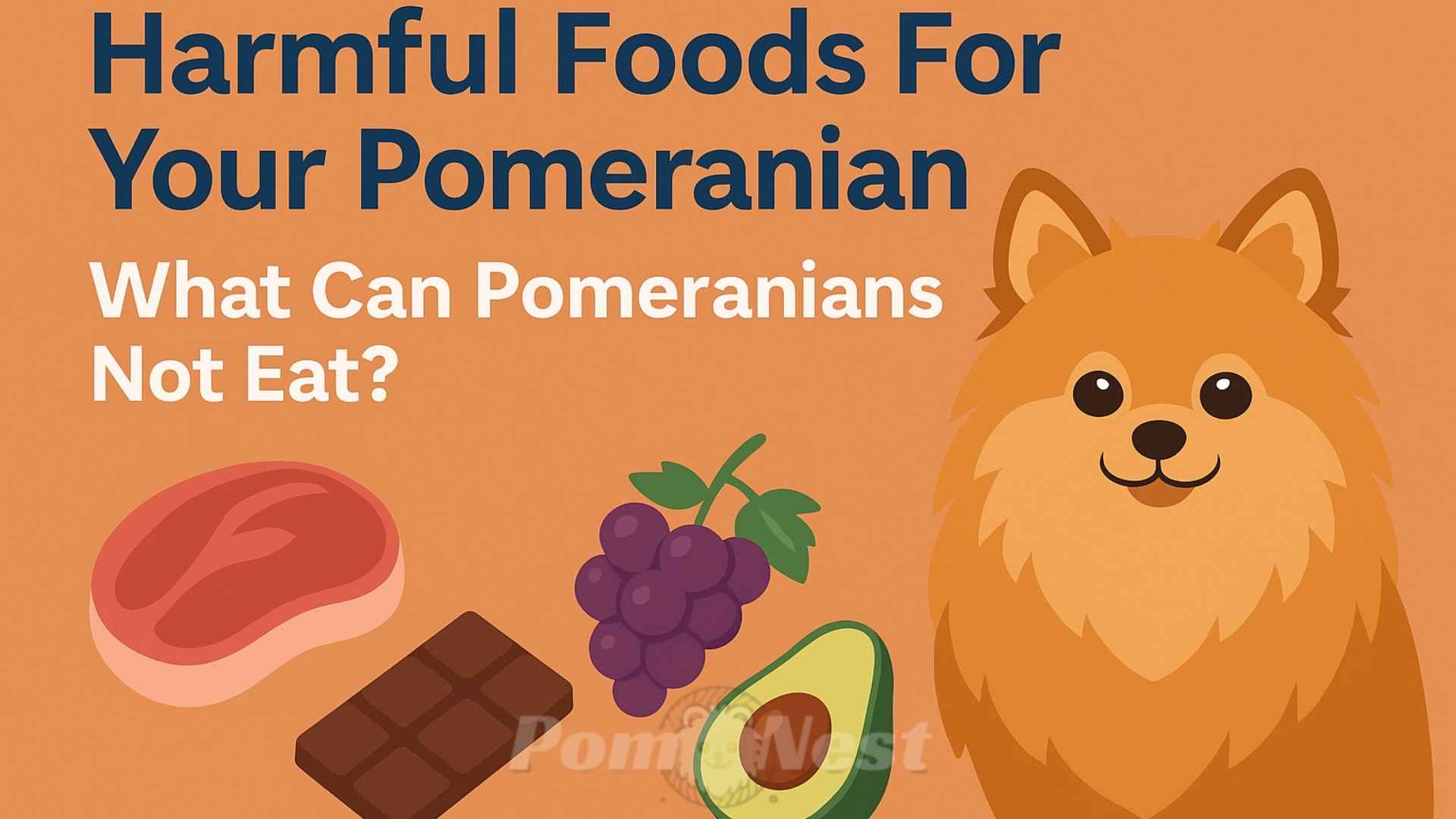
Avoid grapes, raisins, onions, garlic, chocolate, and anything containing Xylitol (often found in peanut butter). Additionally, avoid “boutique” exotic protein diets that lack long-term nutritional trials, as these can lead to heart deficiencies in small breeds.
Most adult Pomeranians require between 1/4 and 1/2 cup of high-quality kibble per day, divided into two or three meals. Because Hill’s is calorie-dense, you can feed smaller volumes while still meeting all metabolic needs, which prevents the stomach from over-distending.
Yes, cooked white or brown rice is safe and often included in Hill’s recipes as a highly digestible carbohydrate. However, it should never be the only thing they eat, as it lacks the essential amino acids and taurine required for heart health in toy breeds.
Poms may become picky due to dental pain, boredom, or over-treating. If your Pom refuses Hill’s, try adding a tablespoon of warm water to the kibble to release the aroma. If refusal persists for more than 12 hours, consult a vet to rule out hypoglycemia.
You may also like
Build the Perfect Care Routine for Your Pomeranian
Select your Pom’s age, coat type, and activity level to instantly get a custom care checklist — it’s fast, free, and made with love!
Give your Pom the daily care they truly deserve.