
Pomeranian Puppy Supplies: From First-Day Kits to Expert Grooming Gear

Lateef Bhatti
Author
🕐 12 min read | Updated: May 30, 2026
When people get a Pomeranian they usually go to a pet store pick up a basket and start putting “small dog” things in it. They get a little collar for their Pomeranian. They get colorful rubber chew toys for their Pomeranian. They get a wire crate for their Pomeranian. They get a bag of puppy kibble with a picture of a retriever on it. Then they take their puppy home and spend the next three weeks returning all those things.
Table of Contents
ToggleWhat people do not tell you when you start looking into things you need for a puppy is that Pomeranians are not just any small dog. Pomeranians have a body structure, special coat and special metabolism that means you have to get the right things for your Pomeranian. If you get the things for your Pomeranian it is not just a waste of money. It can really hurt your Pomeranian. For example if you put a collar on your Pomeranian it can hurt your Pomeranians neck. If you use the brush on your Pomeranian it can cause skin infections. If your Pomeranian jumps off a bed without a ramp it can hurt your Pomeranians legs.
This guide is here to help you know what to get for your Pomeranian and what to avoid. By the time you finish reading this you will know what to buy for your Pomeranian, what to skip and why it is so important to get the right things for your Pomeranian. You will understand why Pomeranians are different from small dogs and why you need to get things that are just right, for your Pomeranian.

The Strategic Preparation: Why Generic Gear Fails
Pomeranians are considered a toy breed. The things they need are not small at all. A lot of people who own Pomeranians make a mistake when they buy things that are meant for Terriers or Chihuahuas. Pomeranians have a body structure their fur is really thick and double layered and they feel stress and pain more easily than other dogs of the same size.
Before you start buying things for your puppy you need to know something important. Pomeranians can be born with a spot on their head, like a human baby. Some breeders do not tell people about this. If you give your puppy toys that are too heavy like those made of hard rubber or thick plastic they can get hurt if the toy falls on them or if they hit themselves with it. So when you are buying things for your Pomeranian you need to look for things that’re light but will not break easily.
This means you have to shop for your Pomeranian in a way.. This is why Pomeranians need their own special list of things to buy.
Essential Containment & Safety Gear
The single most dangerous piece of equipment for a Pomeranian puppy is a neck collar attached to a leash. Never, under any circumstance, should you walk a Pom on a collar. A single sharp tug, a sudden lunge at a squirrel, even the act of pulling during an exciting walk can cause permanent tracheal damage in a breed already genetically predisposed to tracheal collapse.
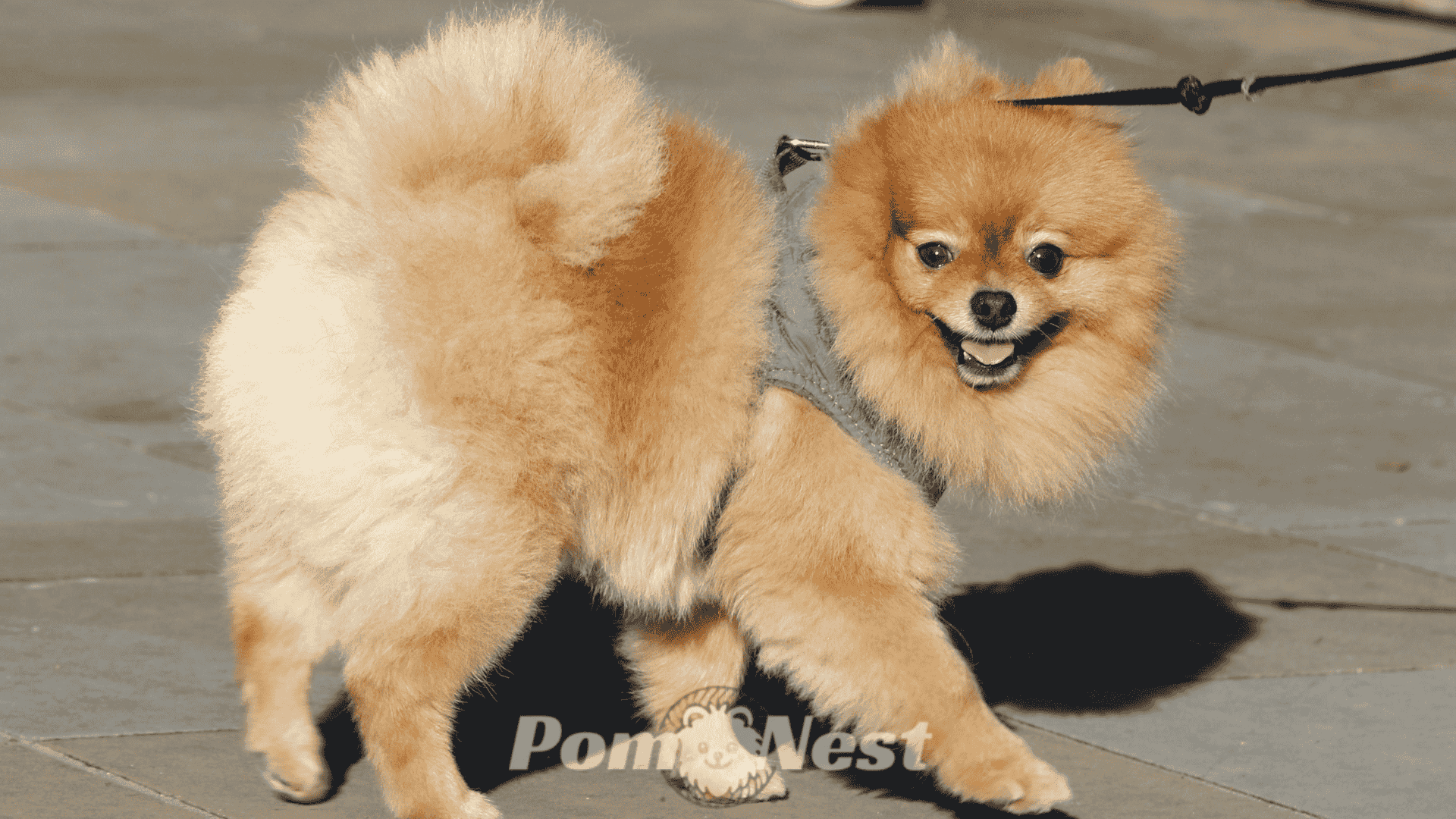
You must purchase a Y-frame or X-frame padded harness. These designs distribute pressure across the chest and sternum, keeping the delicate throat completely clear of tension. The Puppia Soft Step-In Harness (available in sizes XXS through S) and the Gooby F-Lock Harness are two options that fit the narrow chest of a Pom puppy without gapping at the sides. Budget around $18 to $35 for a quality harness. Cheap versions from discount bins tend to have rigid plastic clips that dig into the armpit area, causing fur matting and skin irritation within days.
Creating the “Safe Zone” for Your Pom Puppy
Standard wire crates feel like isolation chambers for a breed as socially wired as the Pom. Instead, invest in a clear acrylic playpen or a heavy-duty mesh exercise pen, commonly called an X-pen. Poms are natural climbers. They will attempt to scale wire crates, often getting their tiny paws caught in the mesh. A smooth-sided pen prevents these climb-and-fall injuries entirely.
Place the pen in a high-traffic area like the kitchen or living room. Poms have a deep psychological need to feel part of the family unit. Isolating them in a back bedroom creates separation anxiety that will manifest as incessant barking, destructive behavior, and stress-related coat loss within weeks.
Leash Selection: What Actually Works
Choose a standard 4 to 6 foot lightweight nylon leash, never a retractable lead. Retractable leashes create constant low-grade tension on the harness, which trains the dog to pull rather than walk calmly. They also have a well-documented failure rate with small breeds: the thin cord can snap under tension and recoil hard enough to cause facial lacerations. A simple, fixed-length leash from brands like Ruffwear or Blue-9 is the only responsible choice.
The Master Grooming Kit: Maintaining the "Pom-Poof"

The Pomeranian double coat is genuinely magnificent. It is also a full-time commitment. The outer guard hairs and the dense wooly undercoat require completely different tools, and confusing the two leads to a phenomenon called Post-Clipping Alopecia, where the coat grows back patchy, discolored, or not at all. This is a permanent condition. It is also entirely preventable.
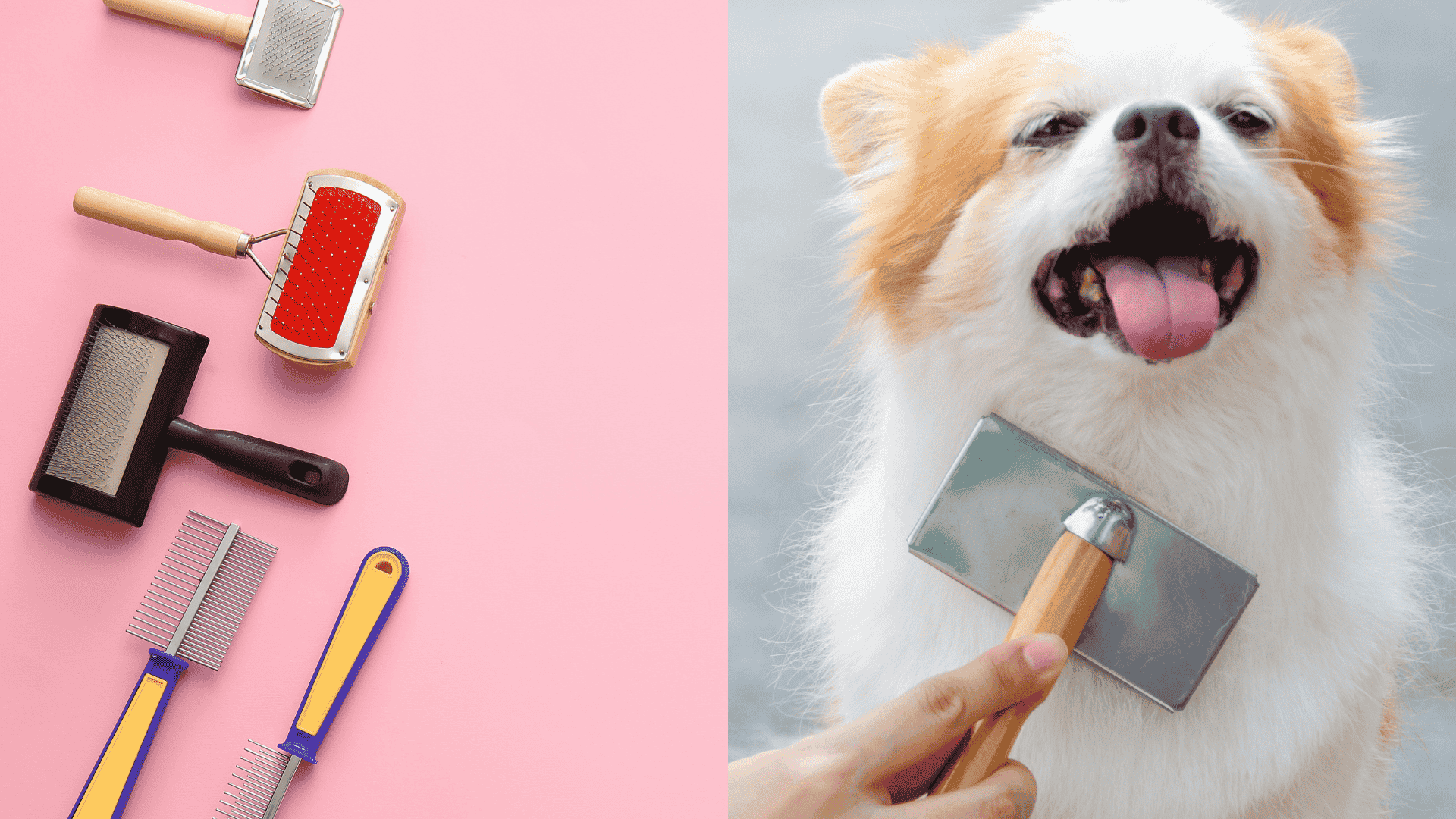
Your core grooming kit for Pomeranian puppy supplies should include the following:
A high-quality slicker brush. The Chris Christensen Big K Slicker Brush ($28 to $45) is widely considered the gold standard among Pom owners and competitive groomers. The fine pins penetrate the undercoat without scratching the skin. Do not substitute this with a generic pet store brush. The pin gauge matters.
A greyhound-style metal comb for finishing and tangle detection. Run this through sections after brushing to catch any mats forming close to the skin, which the slicker brush can glide over.
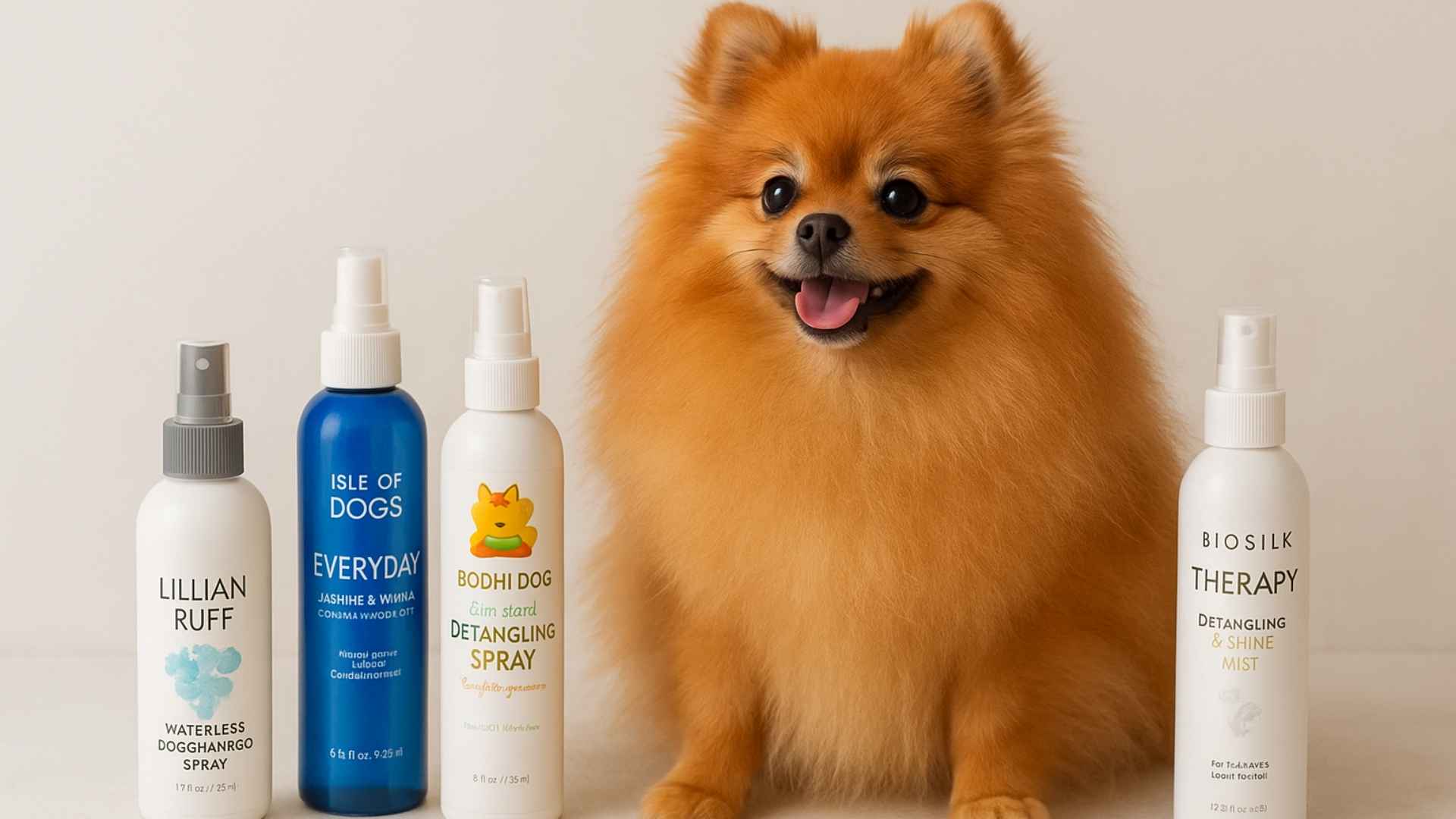
A detangling spray or conditioning mist. Apply this before every brushing session to lubricate the hair fibers before gently teasing them apart. Chris Christensen Ice on Ice Conditioner Spray works well, as does the Cowboy Magic Detangler and Shine in diluted form.
The “Hidden Gem” of Grooming: Line Brushing
Most owners just brush the surface of the coat. To truly care for a Pom, you must practice line brushing. This technique involves parting the hair in horizontal sections from the skin outward, brushing each layer before moving to the next. Without line brushing, the hair closest to the skin begins to felt together, eventually requiring the dog to be shaved. For a double-coated breed, shaving is not a style choice. It is a potential trigger for the Post-Clipping Alopecia mentioned above.
Set aside 20 to 30 minutes twice per week for a proper line brushing session. During the first few months, do it daily to habituate the puppy to the process. A pup that learns to enjoy grooming sessions early becomes an adult dog that stands calmly on the table. A pup that fights every brush becomes a grooming nightmare at every vet visit for the next 15 years.
Dental Defense: The Supply Most Owners Skip
Pomeranians have tiny mouths where 42 adult teeth are often crowded together. This anatomical reality makes them a magnet for periodontal disease, which is the leading cause of chronic pain and premature aging in small breeds.
Your dental kit needs three things:
Enzymatic Toothpaste in poultry or beef flavor. The Virbac CET Enzymatic Toothpaste ($12 to $18) is veterinarian-recommended and contains enzymes that continue breaking down plaque even after brushing stops.
Finger Brushes rather than long-handled brushes. These are easier to maneuver inside a tiny mouth and give you better tactile control to avoid gagging the puppy.
Water Additives that are veterinary-approved. Products like Oxyfresh Pet Dental Water Additive help reduce plaque biofilm between brushing sessions without any effort from the dog.
Start the toothbrushing routine on day one. Even if it takes two months before the puppy fully accepts it, the habit formed during puppyhood is irreplaceable.
Nutritional Supplies & Metabolic Safety
Pomeranians consistently rank among the most intelligent toy breeds in canine cognition research. They are problem-solvers by nature. If you do not give them a job, they will find one, and it will typically involve rearranging your baseboards with their teeth or delivering a running commentary on every vehicle that passes the house.
Boredom is not just annoying with a Pom. It produces chronic cortisol elevation that weakens the immune system and accelerates aging. Enrichment is not optional. It is a health supply.
Cognitive Supplies That Actually Work
Snuffle Mats are fabric mats with layered fleece strips where you hide kibble or tiny treats. The puppy uses its nose to forage through the layers. Research in canine cognition consistently shows that 15 minutes of nose work produces the same mental fatigue as an hour-long walk. For a puppy on limited outdoor exposure due to incomplete vaccination, a snuffle mat is invaluable.
Level 1 Puzzle Toys from brands like Nina Ottosson or Outward Hound. These require the puppy to slide levers, lift compartments, or spin discs to access treats. Start at the beginner level and advance as the puppy masters each stage. Never skip levels. A frustrated puppy that cannot solve a puzzle learns to avoid mental challenges, the opposite of what you want.
High-Value Training Treats that are pea-sized or smaller. Freeze-dried liver, tiny bits of boiled chicken breast, or Zuke’s Mini Naturals (each treat can be broken into four pieces) are ideal. Poms are highly food-motivated but fill up quickly due to their tiny stomach capacity. Treats should never exceed 10% of daily caloric intake.
The Owner’s Perspective: Living with the "Big Ego"

Living with a Pom is like living with a tiny, fluffy sovereign. They don’t just “bark”; they alert. They are highly observant and will notify you of every leaf that falls in the driveway.
You’ll notice they have a specific “spin” they do when excited—the Pom Tornado. To accommodate this energy inside, your supplies should include non-slip rugs or runners. Poms are prone to Patellar Luxation (dislocating kneecaps). Sliding on hardwood floors during a “zoomie” session is a leading cause of ligament tears and joint issues.
Safety Warning: If you have high furniture, pet ramps are mandatory. Jumping off a standard-height bed is equivalent to a human jumping off a two-story building for a Pom. Protect their joints early.
Advanced Training & Psychological Enrichment
Pomeranians consistently rank among the most intelligent toy breeds in canine cognition research. They are problem-solvers by nature. If you do not give them a job, they will find one, and it will typically involve rearranging your baseboards with their teeth or delivering a running commentary on every vehicle that passes the house.
Boredom is not just annoying with a Pom. It produces chronic cortisol elevation that weakens the immune system and accelerates aging. Enrichment is not optional. It is a health supply.
Cognitive Supplies That Actually Work
Snuffle Mats are fabric mats with layered fleece strips where you hide kibble or tiny treats. The puppy uses its nose to forage through the layers. Research in canine cognition consistently shows that 15 minutes of nose work produces the same mental fatigue as an hour-long walk. For a puppy on limited outdoor exposure due to incomplete vaccination, a snuffle mat is invaluable.
Level 1 Puzzle Toys from brands like Nina Ottosson or Outward Hound. These require the puppy to slide levers, lift compartments, or spin discs to access treats. Start at the beginner level and advance as the puppy masters each stage. Never skip levels. A frustrated puppy that cannot solve a puzzle learns to avoid mental challenges, the opposite of what you want.
High-Value Training Treats that are pea-sized or smaller. Freeze-dried liver, tiny bits of boiled chicken breast, or Zuke’s Mini Naturals (each treat can be broken into four pieces) are ideal. Poms are highly food-motivated but fill up quickly due to their tiny stomach capacity. Treats should never exceed 10% of daily caloric intake.
Health & Genetics: The Science of the Breed

When stocking your Pomeranian puppy supplies, you must shop with the breed’s genetic predispositions in mind. This is the layer of knowledge that separates a good Pom owner from an exceptional one.
The four most common health conditions in the breed directly inform which supplies you need:
Tracheal Collapse means no collars, ever, for any purpose including ID tags (use a harness attachment instead). X-frame padded harnesses distribute walking pressure safely.
Patellar Luxation (dislocating kneecaps) means foam pet ramps at every elevated surface the dog accesses, non-slip rugs or runners on all hard floors, and a strict no-jumping protocol from furniture. Jumping off a standard-height bed is biomechanically equivalent to a human jumping off a two-story building, based on the force-to-body-weight ratio for this size dog.
Alopecia X (Black Skin Disease) is a hormonal coat condition common in Poms. Silk or satin pillowcases on bedding reduce the friction that can worsen coat breakage in predisposed individuals.
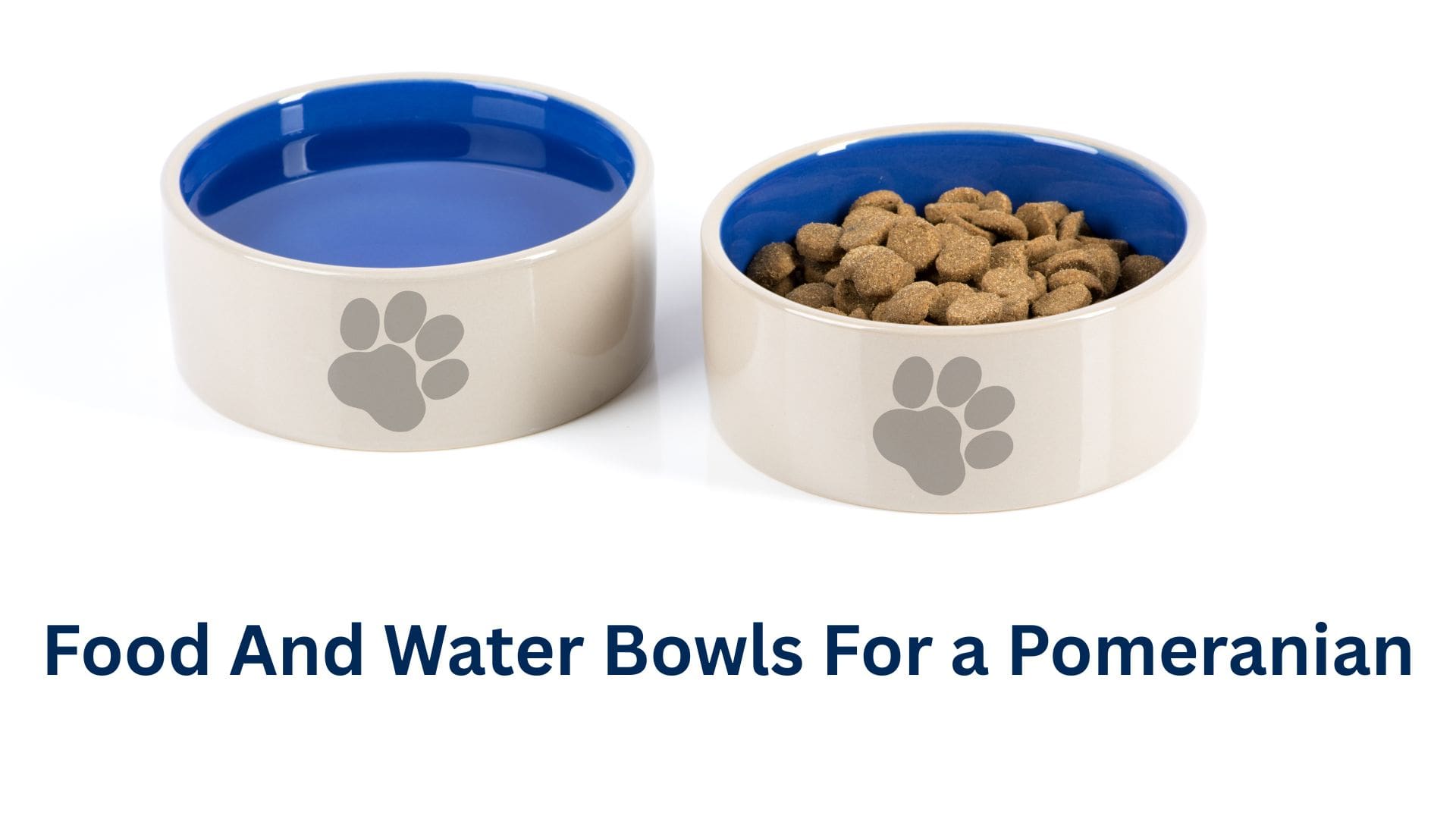
Tear Staining responds to filtered water, stainless steel or ceramic bowls, and in persistent cases, daily face wipe routines with a gentle saline solution.
Veterinary Screenings to Schedule Before Age One
Before your Pom reaches 12 months, consult your veterinarian about OFA Heart and Patella Certification for long-term mobility tracking, and a CERF Eye Exam to screen for Distichiasis, a condition where extra eyelashes grow inward against the cornea, which is disproportionately common in the breed.
Disclaimer: Always consult a licensed veterinarian for a personalized health plan tailored to your puppy’s specific needs.
Travel & Out-of-Door Essentials
Pomeranians are remarkably portable dogs, but they are not accessories. They need to walk to maintain healthy muscle tone and joint development. They also need a secure “safe harbor” when navigating crowded environments before their immune system is fully protected.
The Travel Sling: Socialization Before Full Vaccination
For socialization outings before the vaccination series is complete (typically around 16 weeks), a front-facing puppy sling is the ideal tool. It allows the puppy to see, smell, and hear the world from the safety of your chest. This sensory exposure is neurologically critical during the 8 to 16 week socialization window. Missing this window produces fear-reactive adult dogs. The sling keeps the puppy elevated above the ground, away from unvaccinated dogs and contaminated surfaces, while still providing full sensory access to the environment.
Car Safety: Why a Standard Seatbelt Fails
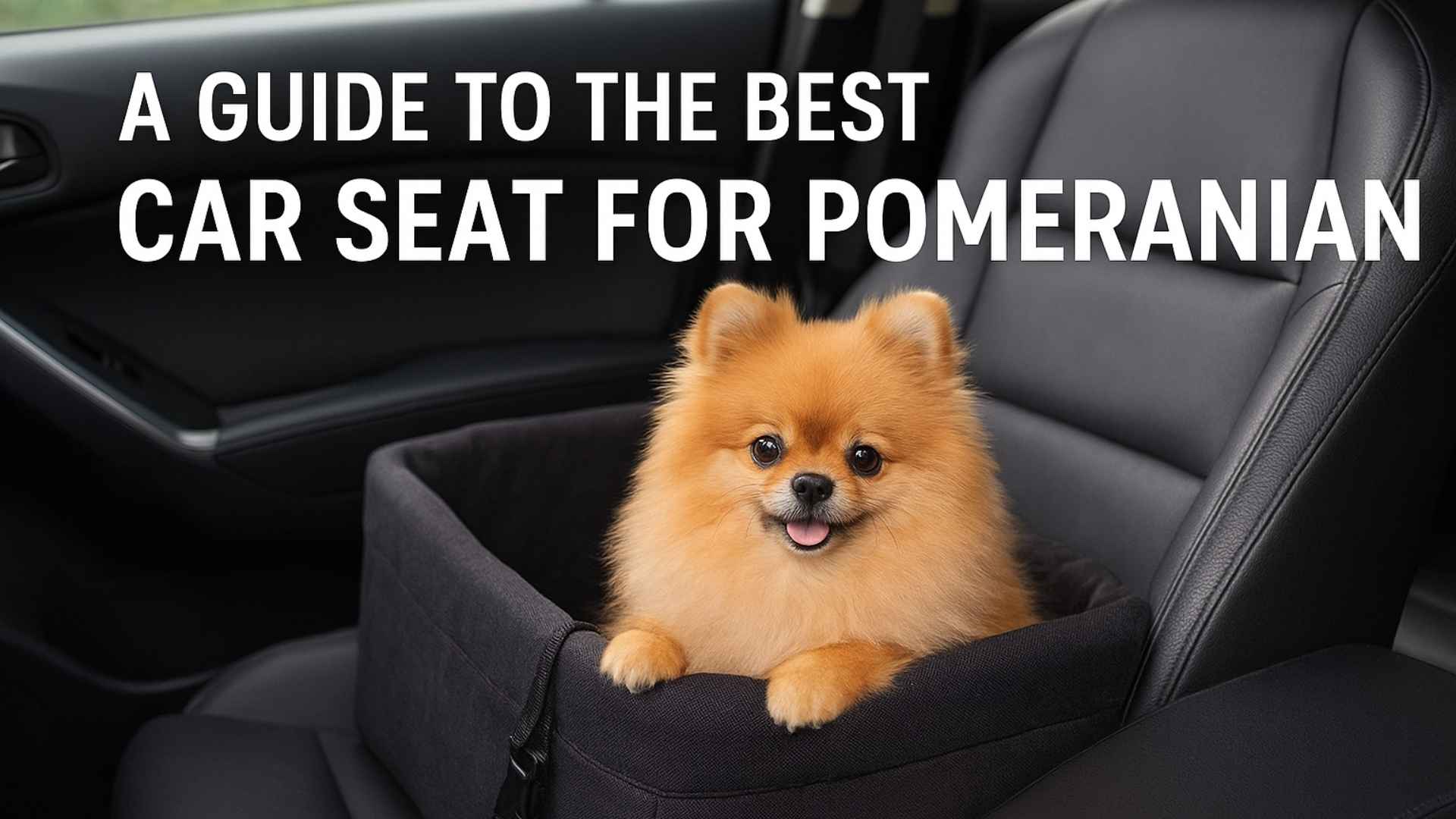
A standard seatbelt harness designed for medium or large dogs will not restrain a Pom in a collision. You need a booster car seat that attaches to the headrest and includes a short tether that clips to the dog’s harness, never the collar. This setup gives the puppy a view out the window (reducing motion sickness) while keeping it secure during sudden stops. The PetSafe Happy Ride Booster Seat and the Snoozer Lookout Car Seat are two options that consistently fit Pomeranian puppies comfortably.
Seasonal Supplies: Thermoregulation
Poms are double-coated, which means the breed evolved for cold weather. However, their tiny body mass means they lose heat rapidly in wet conditions. These two facts together create specific seasonal supply needs that most general pet guides ignore entirely.
Winter: A lightweight, water-resistant parka for outdoor walks in rain or snow. The priority is keeping the undercoat dry. Once the dense undercoat becomes saturated, it takes hours to dry completely, creating a prolonged chill that can trigger respiratory issues. The Canada Pooch Muskoka Parka in size 8 to 10 fits most adult Poms correctly. For puppies under six months, a simple sweater with a water-resistant outer layer works well.
Summer: A cooling mat for indoor rest periods during heat. Poms can overheat faster than their seemingly comfortable fur suggests. The Arf Pets Self-Cooling Mat requires no electricity or refrigeration and dissipates body heat through a pressure-activated gel layer. Place one in their main resting area from May through September in most climates.
Year-round: Paw balm for weather protection. Pomeranian paw pads are smaller and more sensitive than average. Hot pavement in summer and road salt in winter cause cracking and pain that most owners attribute to general soreness rather than the actual source.
The Ultimate "New Pom" Checklist

Before your Pomeranian puppy arrives home, the following items should already be in place. This is not a “nice to have” list. Every item addresses a specific anatomical, behavioral, or metabolic need of the breed.
Harness: Padded, no-pull, Y-shape or X-frame design. No exceptions.
Leash: 4 to 6 foot lightweight nylon. No retractables.
Playpen or X-pen: Smooth-sided, at least 24 inches tall.
Slicker Brush: High-quality pin brush appropriate for double coats.
Detangling Spray: Applied before every brushing session.
Stainless Steel Bowls: Shallow profile to protect face fur.
Filtered Water Fountain: To reduce tear staining and improve hydration habits.
Small-breed puppy kibble: Protein-forward, appropriately sized kibble pieces.
Nutri-Cal gel: Hypoglycemia emergency supply. Non-negotiable for the first six months.
Enzymatic Toothpaste and Finger Brushes: Begin the habit on day one.
Puppy Pads: High-absorbency with a stay-dry top layer during housetraining.
Enzymatic Cleaner: Destroys the protein markers in urine accidents so the puppy does not return to the same spot.
Pet Ramp: At every elevated surface the dog will access, including your bed and sofa.
Non-slip Rugs or Runners: On all hard flooring surfaces throughout the home.
Grooming Spritz: To prevent static and hair breakage during brushing sessions.
Cooling Mat: For warm weather rest periods.
Snuffle Mat and Level 1 Puzzle Toy: Mental enrichment from the first week.
Toothbrush Kit: Build the habit before the puppy has full adult teeth.
Final Reflections
Equipping your home with the right Pomeranian puppy supplies is one of the most decisive actions you can take for your new companion’s long-term health and happiness. These are not accessories. They are tools for a longer, healthier life built on an understanding of exactly what this breed is and what it needs.
A Pom that is groomed correctly from day one avoids the coat catastrophes that are heartbreaking and often irreversible. A Pom protected from unnecessary physical stress through ramps, harnesses, and safe flooring keeps its joints intact through old age. A Pom that receives mental enrichment and honest nutrition grows into a confident, calm, deeply bonded companion rather than an anxious, fragile one.
The supplies you choose this week set the trajectory for the next 15 years. Get them right.
People also ask:
On the first day, you need the “Big Five”: a secure playpen, a Y-frame harness, small-breed puppy food, a shallow water bowl, and an enzymatic cleaner for accidents. These ensure the puppy is safe, fed, and your floors stay clean.
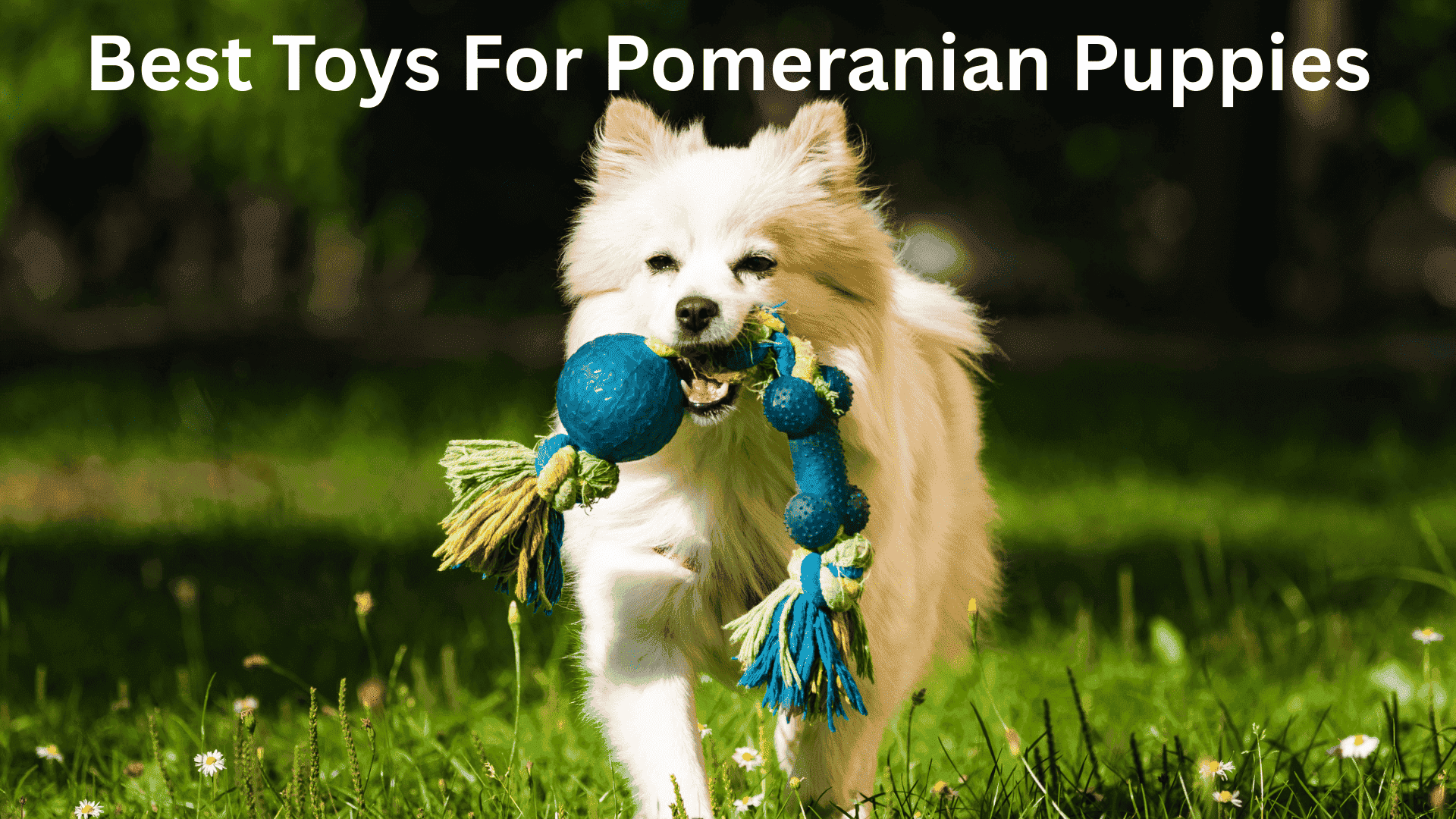
Pomeranians thrive on human interaction and mental challenges. They typically love squeaky plush toys that are small enough to carry, snuffle mats for foraging, and elevated “perches” (like a safe spot on the sofa) where they can watch their “kingdom.”
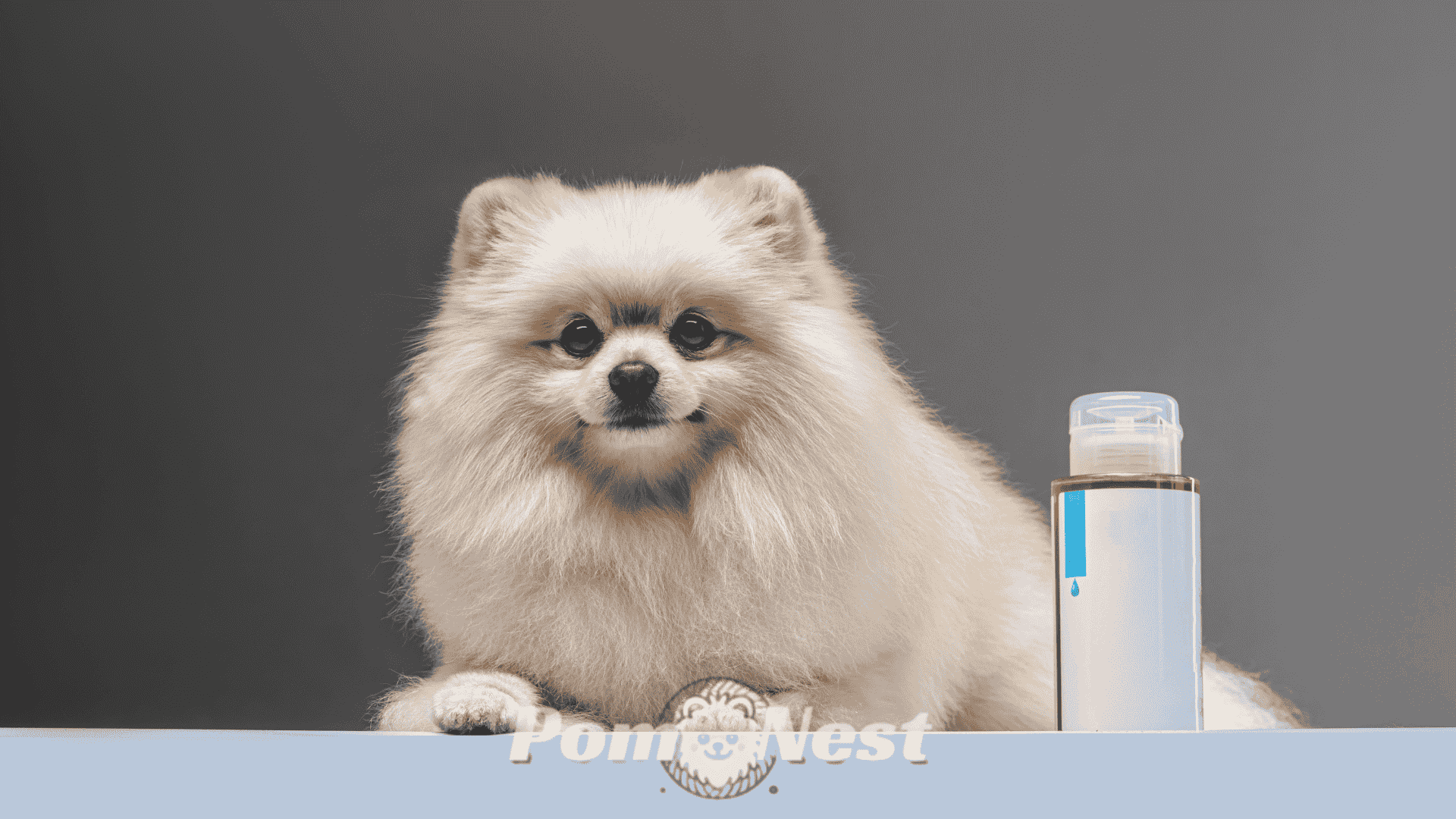
The gold standard includes a soft slicker brush, a stainless steel “Greyhound” comb, and a high-quality detangling spritz. For bathing, use a hypoallergenic, soap-free shampoo that won’t strip the natural oils from their double coat.
The “best” diet is a high-protein, small-breed specific kibble that supports their fast metabolism. Look for formulas that include Omega-3 and Omega-6 fatty acids to support their skin and coat health. Always consult your vet about grain-inclusive vs. grain-free options.
Barking is a breed trait, but it can be managed. Ensure you have “quiet” training treats and enrichment toys (like Kongs) to distract them. Providing a white noise machine near their playpen can also help drown out the external sounds that trigger their “alert” reflex.
Ideally, no. Because of their predisposition to patellar luxation and fragile bones, you should provide pet stairs or ramps. Repetitive jumping off high surfaces can lead to joint degradation or acute fractures in toy breeds.
You may also like

Build the Perfect Care Routine for Your Pomeranian
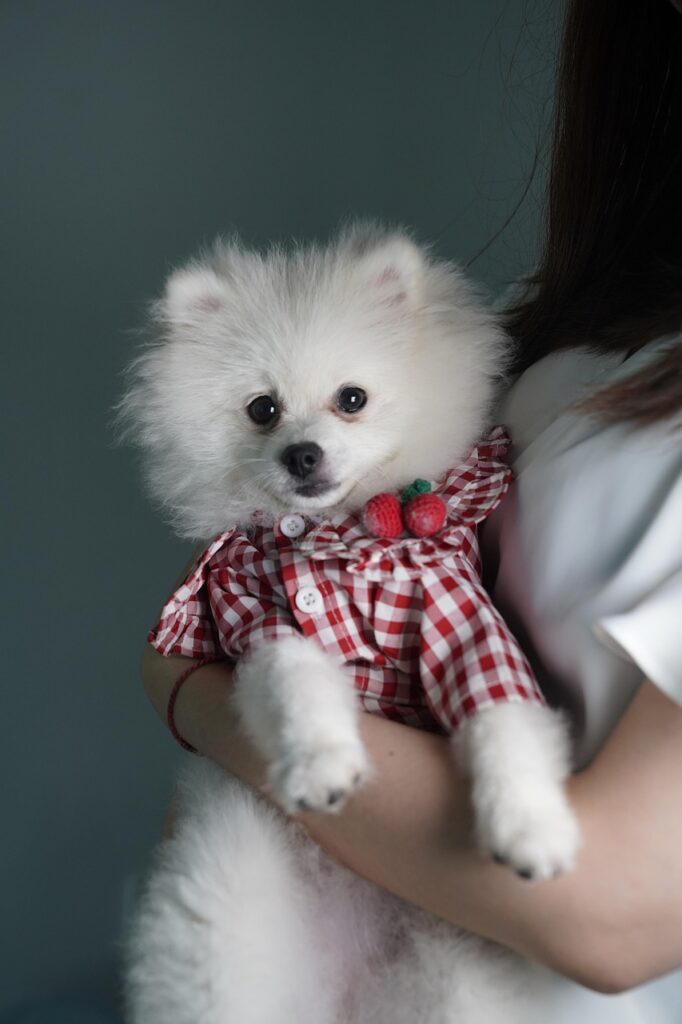
Select your Pom’s age, coat type, and activity level to instantly get a custom care checklist — it’s fast, free, and made with love!
Give your Pom the daily care they truly deserve.