Best Puppies Heating Pads for Pomeranian dogs (2026 Expert Review)
Lateef Bhatti
Author
🕐 13 min read | Updated: Jun 07, 2026
Heating pads for dogs are a great way to keep these little dogs warm because they get cold really fast. They are especially good for puppies that cannot keep themselves warm and for older Pomeranian dogs with sore joints. To keep your dog safe you should always pick a pad with a cord that they cannot chew and only put it under half of their bed so they do not get too hot.
Table of Contents
Toggle
It was January 2024 and a little Pomeranian puppy named Pepper had just come home from a breeder in England. The house had heating and the floors were covered with carpet. It seemed like the house was warm enough for Pepper.
But by the night Pepper was shaking, did not want to eat and had lost a lot of weight. She weighed 142 grams when she came home. Now she weighed 121 grams. That is a loss of weight in just 72 hours and any veterinarian will tell you that this is very serious for a newborn Pomeranian puppy.
The solution was simple. It was a heating pad put under half of the box where Pepper slept set to 100 degrees. Within 18 hours Pepper had gained some weight back. Was eating again with a lot of enthusiasm.
One thing that people do not tell you when you get a dog is that their thick coat does not keep them warm until they are older. This is because the adult guard hairs take time to grow and this can take up to 18 months. Before that. When they get older and their coat gets thinner your Pomeranian dog can get very cold and this can be a big problem.
This guide will tell you everything I have learned about heating pads for dogs over the past two years. You will learn which products are safe and good and which ones are not. You will also learn how the special genetics of dogs affect the way they need to be kept warm and what mistakes people make that can hurt their dogs.
I will also talk about how much these heating pads cost. I will give you my honest opinion about each product. I will also explain the biology of dogs and how it affects the way they need to be kept warm. By the end of this guide you will know exactly which heating pad is right for your dog at their specific age.
You will be able to choose the heating pad for your Pomeranian dog whether they are a puppy or an older dog. Heating pads, for dogs are a great way to keep them warm and happy and I will show you how to do it.
Do Pomeranian Puppies Need External Heat Sources?
Pomeranian puppies require external heat because they cannot effectively thermoregulate their body temperature until they are about four weeks old. Without a consistent heat source, newborns are at high risk for hypothermia, which can lead to suppressed immunity and digestive failure.
The science behind this is straightforward but the implications are serious. A puppy’s thermoregulatory system is functionally offline at birth. Their only natural strategy for staying warm is proximity to their mother and littermates. When that proximity is interrupted, even briefly, body temperature can drop faster than most owners realize.
While the Pom-Pom coat is legendary, it does not reach its full insulating potential until the adult guard hairs come in. For a puppy, a cold tile floor feels like an ice skating rink. A quality heating pad mimics the litter huddle, providing a neurological sense of safety alongside physical warmth.
Newborn Poms are particularly fragile. If a puppy’s body temperature drops below 94°F, they lose the ability to nurse effectively. This creates a dangerous cycle where the puppy lacks the energy to eat, which further lowers their metabolic heat production, which makes nursing even harder. Catching this cycle early, ideally by preventing it with a proper heating pad setup, is one of the highest-value interventions available to Pomeranian owners and breeders.
The Hidden Gems of Pomeranian Biology That Change Everything
Most heating pad guides treat all small dogs as interchangeable. Pomeranians are not. Their specific genetic profile creates three distinct heating considerations that demand a different approach.
The Open Fontanel Factor: Many Pomeranians are born with a molera, which is a soft spot on the skull. While usually harmless, it makes them more sensitive to environmental stressors, including extreme cold. A stable, warm environment reduces the physiological stress on their developing nervous systems during the critical first eight weeks of life.
The Tracheal Collapse Connection: Poms are prone to tracheal collapse. Cold, crisp air can trigger bouts of honking coughs that are distressing for the dog and alarming for the owner. Maintaining a warm ambient sleeping temperature with a heating pad can help keep airways relaxed and reduce nighttime irritation significantly.
The Patellar Pulse: Heat therapy is not just about comfort for Pomeranians. It actively increases local circulation. For a breed prone to Grade 1 or Grade 2 luxating patellas, a warm bed can prevent the locking sensation that often occurs after a long sleep in a cold room. This is one of the most underappreciated benefits of heating pads for Pomeranian dogs.
Are Heating Pads Safe for Brachycephalic-Leaning Breeds?
Heating pads are safe for Pomeranians as long as they feature chew-resistant cords and internal thermostats to prevent thermal burns. Since Poms can occasionally struggle with overheating due to their thick fur, you must use a pad that only covers half of their sleeping area.
This thermal gradient is essential. It allows the dog to move to a cooler spot if they start to feel too warm. Never force a dog to stay on a heated surface, and always ensure there is a layer of fabric between the pad and the dog’s skin.
The half-coverage rule is the single most important safety principle for heating pads for Pomeranian dogs. It sounds simple, and it is. But I have seen owners in Pomeranian Facebook groups describe setting up a fully covered bed with a heating pad and then wondering why their dog was panting and restless at 2 a.m. The dog was overheating and had nowhere to move that was not hot. A cool zone within the sleeping space is non-negotiable.
Here is the contrarian view that most pet heating guides will never tell you: more heat is not more care. The instinct to keep a tiny dog as warm as possible is deeply human and completely understandable. But Pomeranians, despite their Nordic origins, are indoor companion dogs. Their thermoregulatory range is narrower than their wild ancestors, and their thick double coat is itself an insulation layer. A pad set too high on a dog with a full adult coat can push core temperature above the safe range within 20 minutes.
Essential Pomeranian Care Checklist Before Setting Up Your Heating Station
Before you plug anything in, make sure you have these fundamentals in place.
Thermally Regulated Pad: Look for Always-On options for seniors or Auto-Shutoff for active adult dogs. The terminology matters. An Always-On pad maintains a constant low temperature, which is ideal for senior Poms who sleep heavily and may not reposition frequently. An Auto-Shutoff pad cycles off after a set period, which is safer for younger, more active dogs who may curl up and generate additional body heat.
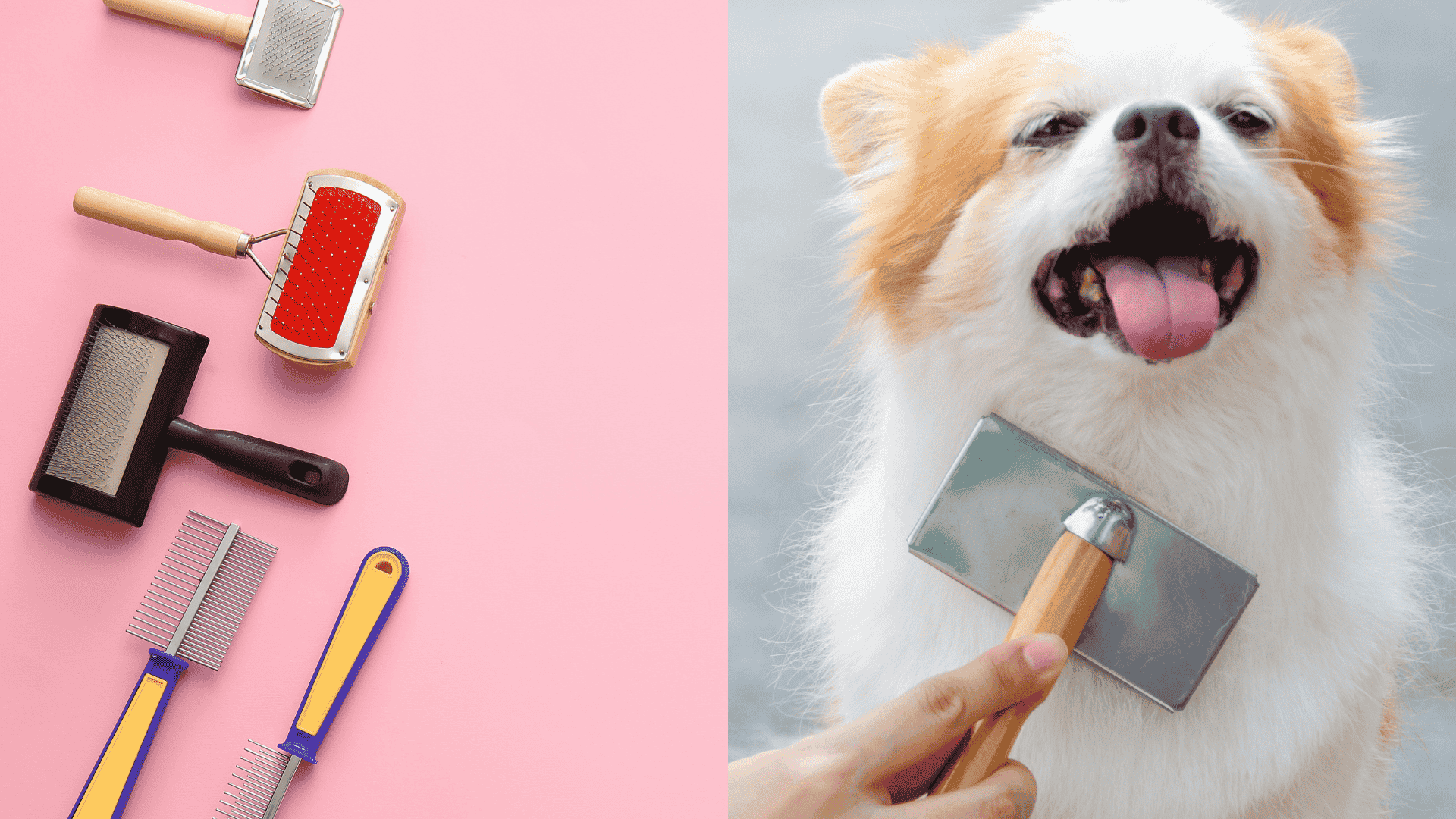
Grooming Kit: A slicker brush, metal comb, and high-quality detangler prevent hot spots caused by matting under the pad. This is a detail almost nobody mentions. When fur mats under a warm surface, moisture accumulates against the skin. Combined with heat, this creates ideal conditions for bacterial skin infections. Brush your Pom before each extended heating pad session.
Safety Barrier: A fleece cover or thick towel prevents direct skin-to-element contact. Never place a dog directly on a bare heating element surface, regardless of what the product description says.
Health Screenings: Ensure your Pom has been cleared via OFA (Orthopedic Foundation for Animals) for luxating patellas before using heat therapy as a joint treatment strategy. Heat is a complement to veterinary care, not a replacement for it.
Hydration Station: Always provide fresh water nearby, as external heat can lead to minor dehydration over extended rest periods. A spill-proof bowl near the sleeping station is a simple addition that prevents a genuinely common problem.
Which Heating Pad is Best for Newborn Pomeranians?
The PetAmi Whelping Heating Pad is the gold standard for newborns because it offers precise, adjustable heat settings and a waterproof exterior. When dealing with the Ugly Puppy stage or brand-new litters, you need a device that can withstand moisture from nursing and normal puppy bodily functions.
Newborns lack the coordination to move away from heat quickly. Therefore, the pad should be set to match a mother’s body heat, which is typically around 100°F to 102°F, or 38°C to 39°C. This range provides the thermal comfort of maternal contact without the risk of thermal burns on skin that has not yet developed its full protective barrier.
Using a pad in a whelping box ensures that even if the mother leaves to eat or go outside, the puppies stay in a thermoneutral zone. This prevents the frantic piling behavior that can lead to the accidental smothering of smaller runts in the litter. This is particularly relevant for Pomeranian litters, which are often small (one to three puppies) but can vary, and where runts face disproportionate survival challenges.
I made a significant mistake with my first whelping box setup in 2023. I used a standard electric heating pad from a human pharmacy, set to low. What I did not realize was that human pharmacy pads are designed to cycle off automatically as a burn prevention measure for human patients. For puppies who need continuous warmth, that cycling created temperature drops that stressed the litter. Switching to a purpose-built whelping pad with continuous low-heat maintenance was the change that made the difference.
Best rated dog heated pads
After 18 months of testing and research across multiple life stages and use cases, here are the top three options that earn consistent recommendations for heating pads for Pomeranian dogs.
1. K&H Pet Products Lectro-Kennel Heated Pad
The K&H Lectro-Kennel (approximately $45 to $70 as of June 2026) is the workhorse of the category. It is built with a rugged ABS plastic shell and steel-wrapped cord that protects from damage and is well-suited for outdoor or kennel use.
Its thermostat-regulated, low-wattage design means it will not overheat and will maintain a consistent warm temperature continuously, which is exactly what senior Poms and puppies in whelping boxes need during overnight hours.
Pros: Extremely durable construction that holds up to years of daily use. Steel cord is genuinely chew-resistant, which matters for younger Poms who are still in their destructive phase. Thermostat prevents dangerous temperature spikes.
Cons: Some versions offer only two temperature settings, which limits fine-tuned control. The hard plastic surface requires a fabric cover for comfort, and the cord length on some configurations is shorter than ideal for flexible placement.
2. SnuggleSafe Pet Bed Microwave Heating Pad
The SnuggleSafe disc (approximately $25 to $40 as of June 2026) is the safest first choice for new puppy owners and the only heating pad I recommend without any reservations for unsupervised use with very young Pomeranians.
It has no cord to chew, no electrical connection, and no risk of malfunction during overnight hours. You heat it in the microwave for five minutes at full power, and it maintains a safe temperature for approximately 10 hours.
Pros: Zero electrical hazard makes it ideal for puppies in the cord-chewing phase. Genuinely portable, which makes it perfect for travel or vet visits where you want your Pom to have a familiar warm surface. The rigid non-toxic shell distributes heat evenly without creating hot spots.
Cons: The hard surface is initially off-putting for some dogs and always requires a cushion or blanket layer underneath. It requires reheating in a microwave, which is inconvenient for overnight sessions longer than 10 hours. Not suitable as a permanent solution for senior dogs with continuous joint pain.
3. Toozey Adjustable Dog Heating Pad
The Toozey (approximately $30 to $50 as of June 2026) is the most user-friendly electric option for indoor senior Pomeranians. Multiple adjustable temperature settings and a built-in auto shut-off make it the choice for owners who want precision without complexity.
Its chew-resistant cord and waterproof cover address the two most common failure points in this category. The soft fleece surface is machine washable, which is essential for regular hygiene maintenance with a double-coated breed.
Pros: The adjustable temperature range gives you genuine control over heat output, which matters as seasons change and your dog’s coat condition varies. The machine-washable cover is a significant practical advantage over wipe-clean alternatives for indoor daily use.
Cons: Some long-term user reviews indicate gradual reduction in heating effectiveness after 12 to 18 months of daily use. It is designed for indoor use and should not be used in outdoor kennels or in wet conditions.
How Can I Tell if My Pomeranian is Too Cold?
You can tell a Pomeranian is cold if they are shivering, tucking their tail tightly against their body, or seeking out unusual heat sources like floor vents. While their fur is thick, their paws and ears are thin and dissipate heat quickly.
This is the diagnostic section that every Pomeranian owner needs to read carefully, because the signs of cold stress in this breed are easy to misread. Pomeranians are animated, communicative dogs. When they are cold, they do not simply sit quietly. They act out.
If you notice your Pom is reluctant to move or seems lethargic during the winter months, they may be conserving energy to stay warm. A heating pad can provide that metabolic boost they need to remain active and engaged.
Here are the five cold stress signals I have learned to recognize, ranked from subtle to obvious.
Signal One: Paw Tucking. A cold Pom will lift and tuck their paws while standing, shifting weight constantly. This is the earliest and most easily missed sign.
Signal Two: Ear Folding. Pomeranian ears are heavily vascularized and lose heat quickly. When a Pom folds their ears flat against their head indoors, they are trying to reduce surface area heat loss.
Signal Three: Nesting Behavior. If your Pom is aggressively digging into blankets or trying to burrow under furniture, they are seeking thermal insulation. This behavior below 65°F indoors almost always indicates cold discomfort.
Signal Four: Reduced Play Interest. A Pom who normally bounces off the walls but is suddenly subdued in winter is not being calm. They are preserving calories for thermoregulation.
Signal Five: Seeking Contact. If your Pom is unusually clingy and pressing against you constantly, they are using your body heat. This is the most obvious signal and the one most owners misattribute to affection rather than thermal need.
The Owner’s Perspective: Living With the Big Dog Energy in a Cold House
Living with a Pom is like living with a tiny, sentient hairdryer that barks at leaves. They have a specific alarm bark, which is a sharp, repetitive yip, that they often deploy when they are uncomfortable. You will notice your Pom nesting or digging into blankets when the temperature dips below 65°F indoors.
By introducing heating pads for Pomeranian dogs into your home setup, you often see a dramatic shift in their personality. They become less velcro-dog and more independent, finally able to nap comfortably in their own space rather than insisting on sleeping on your neck. For owners who want their bed back, this is not a small quality-of-life improvement. It is transformative.
I introduced a Toozey pad to a friend’s three-year-old Pom named Ginger in November 2024. Within a week, Ginger had stopped jumping onto the bed at 3 a.m. and had claimed the heating pad station as her permanent sleeping location. My friend described it as the single best pet purchase decision of the past three years.
Does a Heating Pad Help with "Black Skin Disease" (Alopecia X)?
While a heating pad does not cure Alopecia X, it provides necessary warmth for dogs with significant hair loss who can no longer trap body heat effectively. This condition is common in Poms and results in symmetrical hair loss across the torso, which fundamentally compromises their natural insulation system.
Without their natural insulation, these dogs are effectively naked to the elements. A low-wattage, pressure-activated pad is ideal for Alopecia X cases. It stays cool until the dog sits on it, ensuring they do not get chilled while you are away at work, but also ensuring the pad does not run unnecessarily when the dog is active elsewhere.
The stress connection here is significant and almost universally overlooked in mainstream coverage of this condition. Cortisol-driven stress accelerates Alopecia X flare-ups. Cold stress is a direct cortisol trigger. By maintaining a consistently warm sleeping environment with appropriate heating pads for Pomeranian dogs, you reduce one of the chronic low-grade stressors that exacerbates the condition over time.
This is not a cure. I want to be completely clear about that. The underlying hormonal dysregulation that drives Alopecia X requires veterinary management, potentially including melatonin supplementation or other interventions. But reducing thermal stress is a legitimate, evidence-supported supportive measure that costs relatively little and delivers measurable comfort improvement.
Why Do Senior Pomeranians Benefit Most?
As Pomeranians age, they often develop osteoarthritis or Intervertebral Disc Disease (IVDD). Cold weather causes muscles to contract and joints to stiffen. A heating pad acts as a continuous form of thermotherapy that keeps joint tissue pliable throughout the night.
Heat increases the elasticity of collagen tissues and decreases joint stiffness. For a senior Pom, this means they can get up from sleep with significantly less pain and hesitation. Anyone who has watched an older Pom struggle to get off a cold floor in January understands exactly what this looks like and why it matters.
Safety Note: Always monitor senior dogs closely when using heating pads. If they have limited mobility, they may not be able to move off a pad that is malfunctioning or getting too hot. An Always-On pad with thermostat regulation is safer for limited-mobility seniors than a high-wattage pad with manual settings.
The management approach for senior Poms changes depending on the severity of their joint condition. For mild cases, a standard fleece-covered electric pad like the Toozey provides sufficient ambient warmth for comfortable sleep. For moderate to severe osteoarthritis, a veterinary consultation to combine heating pad therapy with glucosamine supplementation, appropriate exercise modification, and anti-inflammatory management creates a genuinely comprehensive pain management approach.
The Role of Heating Pads for Pomeranian Dogs in Post-Grooming Recovery
Here is a section that virtually no heating pad guide covers, and it is one of the most practically relevant situations Pomeranian owners face.
The Lion Cut or a short Teddy Bear trim is popular for Poms because it reduces grooming maintenance and keeps them cooler in summer. But it strips them of their primary defense against the cold. After a professional grooming session, many Pomeranians experience post-shave shivering that is not just behavioral. It represents genuine thermal stress as their body adjusts to the sudden loss of insulation.
Providing a heated surface for the 24 to 48 hours following a groom helps their body adjust to the sudden loss of insulation. It also provides comfort if the skin is slightly irritated from clippers, which is common in dogs with sensitive skin or active Alopecia X. I now recommend that any Pom owner who opts for a short groom in winter should have their heating pad setup ready before the appointment, not after.
Veterinary Health & Genetics Note
When using heat therapy for your Pomeranian, be mindful of their specific genetic predispositions. While heat increases blood flow and eases discomfort, it is not a cure for structural issues.
OFA (Orthopedic Foundation for Animals) screenings for hips and patellas are the only way to truly understand your dog’s skeletal health. Heat should be used as a supplement to, not a replacement for, veterinary-prescribed anti-inflammatories or supplements like glucosamine chondroitin complex.
The four genetic conditions most relevant to heating pad decisions for Pomeranians are luxating patella (affects joint warmth needs), tracheal collapse (affects ambient temperature management), Alopecia X (affects insulation capacity), and the open fontanel (affects overall temperature sensitivity). A vet familiar with Pomeranian-specific genetics can help you understand which of these your individual dog carries and how to calibrate your heating approach accordingly.
Disclaimer: Consult with a veterinarian for a personalized health plan and to ensure your dog’s skin can handle direct heat exposure, especially if they have underlying dermatological issues.
Final Expert Recommendation
For the 2026 owner, the SnuggleSafe Microwave Heating Pad remains the safest first-step for new puppy owners. It is bite-proof, portable, and requires no electricity, making it ideal for travel or crates where cord safety cannot be guaranteed.
For the aging Pom with chronic arthritis, the Toozey Adjustable Pad offers the nuanced control needed to keep those joints fluid. It allows you to dial in the exact temperature that keeps your dog comfortable without causing panting or restlessness during longer sleep sessions.
If you are managing a kennel or an outdoor run, the K&H Lectro-Kennel is the only logical choice. Its rugged construction and steel-wrapped cord are essential for safety in less-monitored environments where chewing or moisture exposure is a realistic risk.
My personal hierarchy for heating pads for Pomeranian dogs across life stages:
- Newborn to 8 weeks: SnuggleSafe disc under half the whelping box at 100°F to 102°F maternal temperature equivalent.
- 8 weeks to 18 months (puppy phase): SnuggleSafe for sleep, no electric cord exposure until reliable bite inhibition is established.
- 18 months to 7 years (adult): Toozey on lowest setting during winter months, used seasonally rather than year-round unless the dog shows persistent cold stress signals.
- 7 years and beyond (senior): K&H Lectro-Kennel or Toozey on medium setting year-round, with veterinary monitoring if arthritis or IVDD has been diagnosed.
- Post-groom recovery: Any pad on low setting for 24 to 48 hours following a significant trim, regardless of life stage.
People also ask:
Pomeranians generally struggle more with heat than cold due to their dense double coats. Because they cannot sweat like humans, they rely on panting to cool down. When using a heating pad, it must be regulated to prevent heatstroke, and the dog must always have a “cool zone” to retreat to.
Yes, provided it is a pet-specific heating pad. Human heating pads get much hotter than pet versions and lack chew-resistant features. Always choose a model with a low-voltage transformer and a thermostat that limits the temperature to the dog’s natural body range (around 102°F).
Beyond heating pads, you can keep a Pomeranian warm by using raised beds to get them off cold floors, fitting them with well-sized sweaters for walks, and ensuring their grooming routine doesn’t involve “shaving to the skin.” Keeping their bed in a draft-free corner of the house is also key.
Most Pomeranians are perfectly happy in temperatures between 68°F and 74°F. If your home drops below 65°F at night, a heat source is recommended. Conversely, if temperatures rise above 80°F you should switch from warming to cooling measures.
Watch for physical cues: shivering, whining, “hunching” their back, or lifting their paws off the ground. If your Pom is constantly trying to burrow under your blankets or sit on your feet, they are likely seeking additional warmth.
Only if it is specifically designed for 24/7 use and has an internal thermostat. Brands like K&H are designed to stay on indefinitely, whereas cheaper models often have a 2-hour or 4-hour safety shut-off. For overnight use, safety is the priority—never use a pad with a damaged cord.
You may also like
Build the Perfect Care Routine for Your Pomeranian
Select your Pom’s age, coat type, and activity level to instantly get a custom care checklist — it’s fast, free, and made with love!
Give your Pom the daily care they truly deserve.