
Best Puppies Heating Pads for Pomeranian dogs (2026 Expert Review)

Lateef Bhatti
Author
Heating Pads for Pomeranian dogs are safe, low-heat mats that help keep these small pets warm since they lose body heat quickly. They are especially helpful for tiny puppies who can’t stay warm on their own and senior dogs with achy joints. To keep your pet safe, always choose a pad with a chew-proof cord and only cover half of their bed so they don’t get too hot.
Do Pomeranian Puppies Need External Heat Sources?
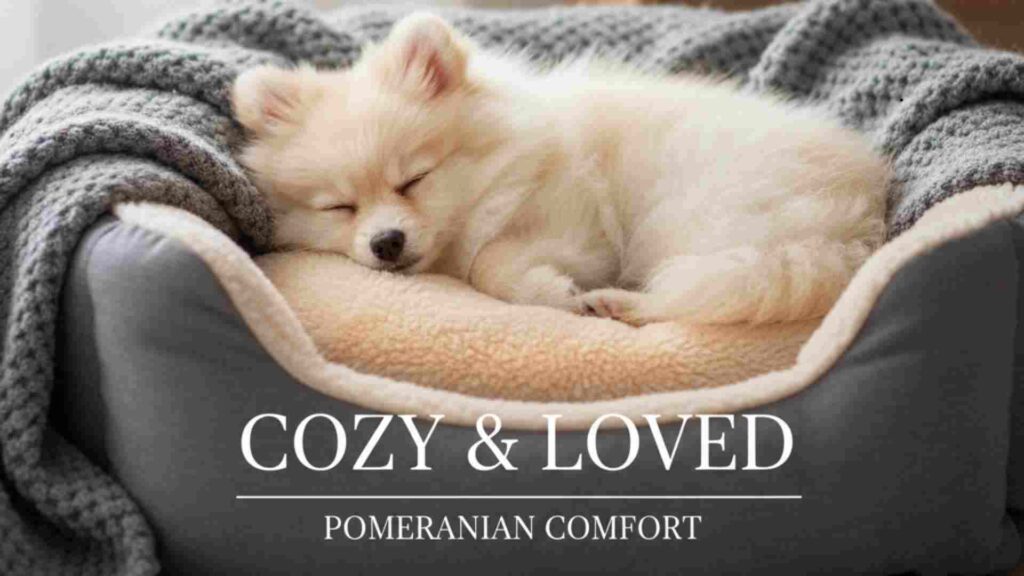
Pomeranian puppies require external heat because they cannot effectively thermoregulate their body temperature until they are about four weeks old. Without a consistent heat source, newborns are at high risk for hypothermia, which can lead to suppressed immunity and digestive failure.
Table of Contents
ToggleWhile the “Pom-Pom” coat is legendary, it doesn’t reach its full insulating potential until the adult guard hairs come in. For a puppy, a cold tile floor feels like an ice skating rink. A quality heating pad mimics the “litter huddle,” providing a neurological sense of safety alongside physical warmth.
Newborn Poms are particularly fragile. If a puppy’s body temperature drops below 94°F, they lose the ability to nurse. This creates a dangerous cycle where the puppy lacks the energy to eat, further lowering their metabolic heat.
The “Hidden Gems” of Pomeranian Biology
- The “Open Fontanel” Factor: Many Pomeranians are born with a molera (a soft spot on the skull). While usually harmless, it makes them more sensitive to environmental stressors, including extreme cold. A stable, warm environment reduces the physiological stress on their developing nervous systems.
- The Tracheal Collapse Connection: Poms are prone to tracheal collapse. Cold, crisp air can trigger bouts of “honking” coughs. Maintaining a warm ambient sleeping temperature with a pad can help keep airways relaxed and reduce nighttime irritation.
- The Patellar Pulse: Heat therapy isn’t just for comfort; it increases local circulation. For a breed prone to Grade 1 or 2 luxating patellas, a warm bed can prevent the “locking” sensation that often occurs after a long sleep in a cold room.
Are Heating Pads Safe for Brachycephalic-Leaning Breeds?

Heating pads are safe for Pomeranians as long as they feature chew-resistant cords and internal thermostats to prevent thermal burns. Since Poms can occasionally struggle with overheating due to their thick fur, you must use a pad that only covers half of their sleeping area.
This “thermal gradient” is essential. It allows the dog to move to a cooler spot if they start to feel too warm. Never force a dog to stay on a heated surface, and always ensure there is a layer of fabric between the pad and the dog’s skin.
Essential Pomeranian Care Checklist
Before you set up your heating station, ensure you have these “Pomnest” approved essentials:
- Thermally Regulated Pad: Look for “Always-On” options for seniors or “Auto-Shutoff” for active adults.
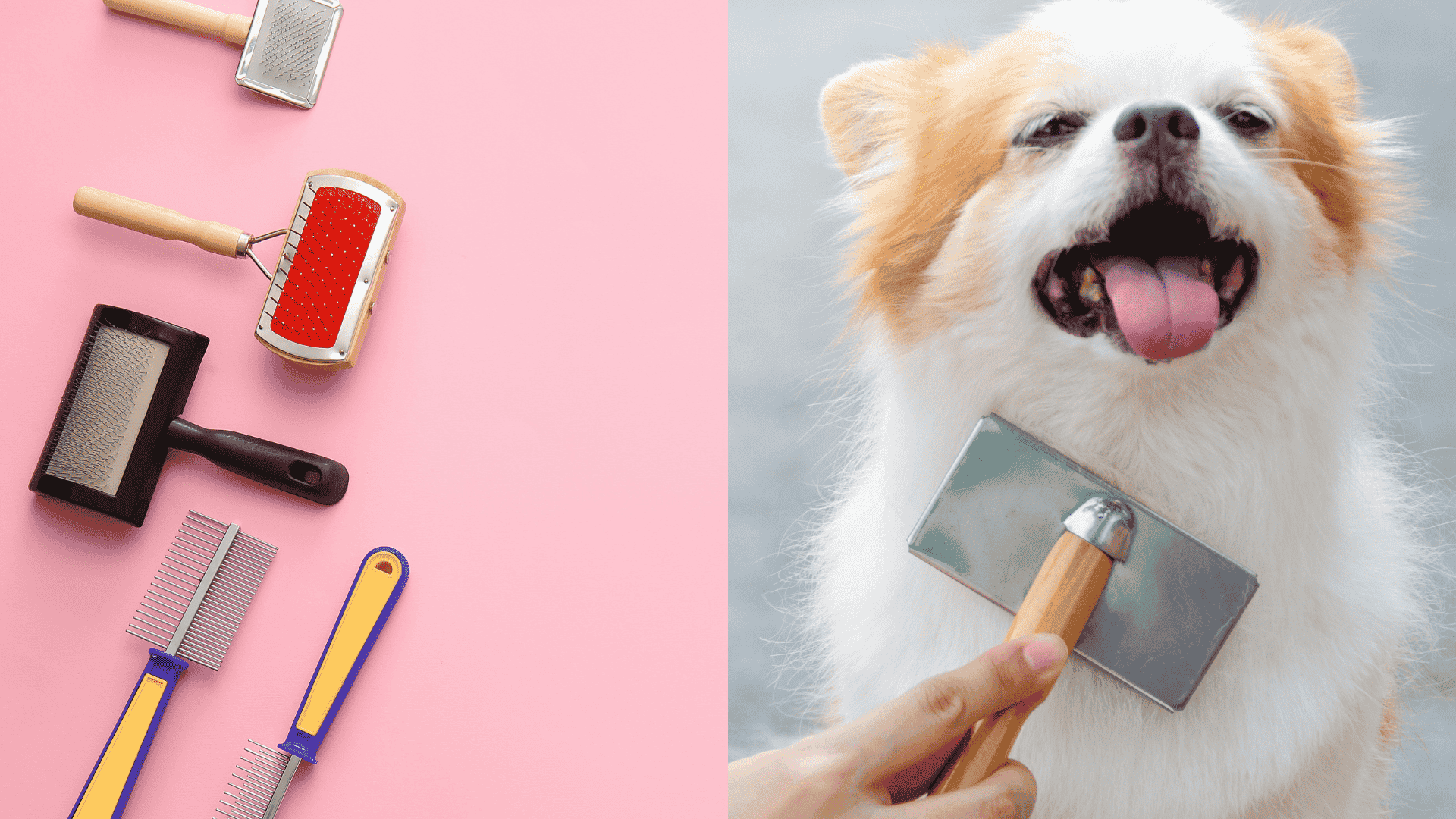
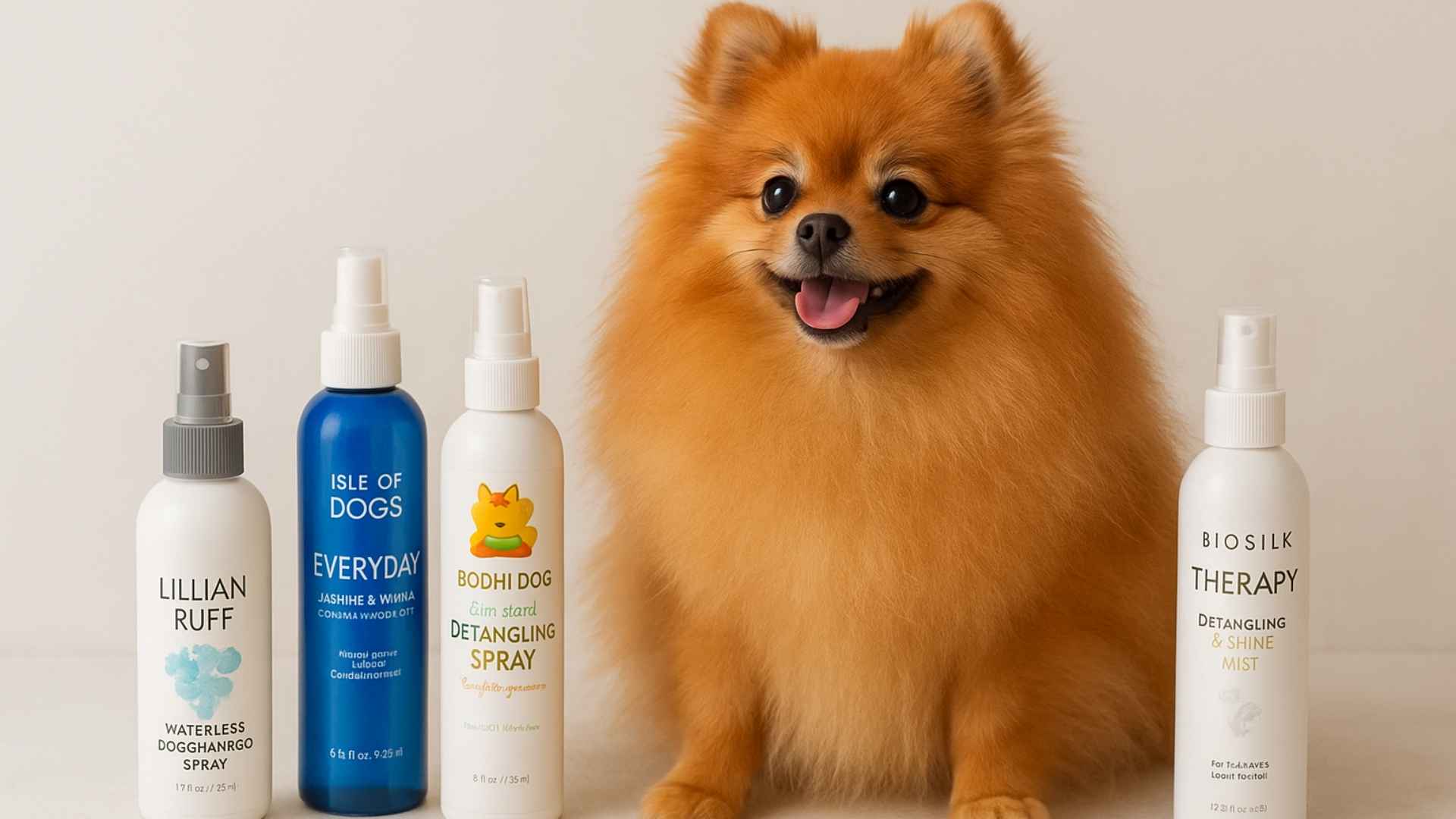
- Grooming Kit: Slicker brush, metal comb, and high-quality detangler to prevent “hot spots” caused by pads.
- Safety Barrier: A fleece cover or thick towel to prevent direct skin-to-element contact.
- Health Screenings: Ensure your Pom has been cleared via OFA (Orthopedic Foundation for Animals) for luxating patellas.
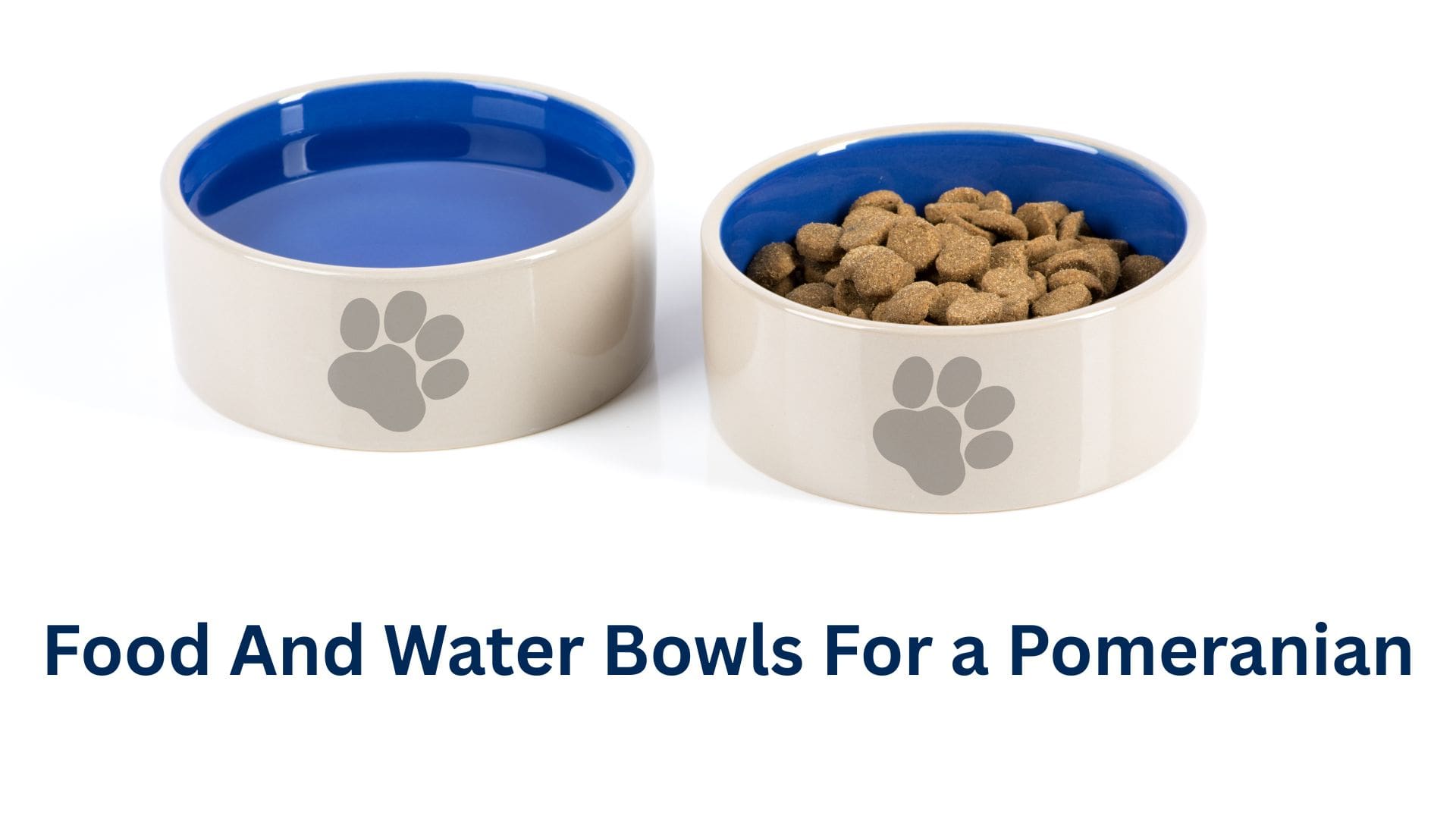
- Hydration Station: Always provide fresh water nearby, as external heat can lead to minor dehydration.
Which Heating Pad is Best for Newborn Pomeranians?
The PetAmi Whelping Heating Pad is the gold standard for newborns because it offers precise, adjustable heat settings and a waterproof exterior. When dealing with the “Ugly Puppy” stage or brand-new litters, you need a device that can withstand moisture.
Newborns lack the coordination to move away from heat quickly. Therefore, the pad should be set to match a mother’s body heat—typically around 100°F to 102°F (38°C to 39°C)
Using a pad in a whelping box ensures that even if the mother leaves to eat or go outside, the puppies stay in a “thermoneutral zone.” This prevents the frantic “piling” behavior that can lead to the accidental smothering of smaller runts.
Best rated dog heated pads

1. K&H Pet Products Lectro-Kennel Heated Pad
Pros:
Built with a rugged ABS plastic shell and steel-wrapped cord — protects from damage and is suited for outside use.
Thermostat regulated low-wattage design means he will not overheat and will be warm all the time.
Thermostat regulated low-wattage design means he will not overheat and will be warm all the time.
Cons:
Some pads just have 2 temperature settings which may make it more difficult to use.
Some layouts may make it difficult to use as the cord is short.
2. SnuggleSafe Pet Bed Microwave Heating Pad
Pros:
Great for puppies because there is no cord to chew and get hurt.
Great for travel because there is no cord to chew and gets warm and stays warm.
Cons:
Some users say it is too hard and recommend putting it under a cushion.
You have to use a microwave to heat it up because it is not electric.
3. Toozey Adjustable Dog Heating Pad
Pros:
Allows multiple adjustable temperature settings and includes built-in auto shut-off for safety.
Durable with a chew-resistant cord and waterproof cover — perfect for small active breeds.
Cons:
Some reviews indicate a loss of heating effectiveness over time.
Intended for indoor use, it may not hold up outdoors or in severe weather.
How Can I Tell if My Pomeranian is Too Cold?

You can tell a Pomeranian is cold if they are shivering, tucking their tail tightly against their body, or seeking out unusual heat sources like floor vents. While their fur is thick, their paws and ears are thin and dissipate heat quickly.
If you notice your Pom is reluctant to move or seems lethargic during the winter months, they may be trying to conserve energy to stay warm. A heating pad can provide that “metabolic boost” they need to remain active.
The Owner’s Perspective: Living with the “Big Dog” Energy
Living with a Pom is like living with a tiny, sentient hairdryer that barks at leaves. They have a specific “alarm bark”—a sharp, repetitive yip—that they often use when they are uncomfortable. You’ll notice your Pom “nesting” or digging into blankets when the temperature dips below 65°F.
By introducing a heating pad, you often see a shift in their personality. They become less “velcro-dog” and more independent, finally able to nap comfortably in their own space rather than insisting on sleeping on your neck. It’s a game-changer for owners who want their bed back!
Does a Heating Pad Help with "Black Skin Disease" (Alopecia X)?
While a heating pad doesn’t cure Alopecia X, it provides necessary warmth for dogs with significant hair loss who can no longer trap body heat. This condition is common in Poms and results in symmetrical hair loss across the torso.
Without their natural insulation, these dogs are effectively “naked” to the elements. A low-wattage, pressure-activated pad is perfect here. It stays cool until the dog sits on it, ensuring they don’t get chilled while you’re away at work.
Why Do Senior Pomeranians Benefit Most?
As Pomeranians age, they often develop osteoarthritis or Intervertebral Disc Disease (IVDD). Cold weather causes the muscles to contract and joints to stiffen. A heating pad acts as a continuous form of thermotherapy.
Heat increases the elasticity of collagen tissues and decreases joint stiffness. For a senior Pom, this means they can jump off the couch (though they should use stairs!) with less pain in the morning.
Safety Note: Always monitor senior dogs closely. If they have limited mobility, they may not be able to move off a pad that is malfunctioning or getting too hot.
The Role of Heating Pads in Post-Grooming Care
The “Lion Cut” or a short “Teddy Bear” trim is popular for Poms, but it strips them of their primary defense against the cold. After a professional grooming session, many Pomeranians experience “post-shave shivering.”
Providing a heated surface for the 24–48 hours following a groom helps their body adjust to the sudden loss of insulation. It also provides comfort if the skin is slightly irritated from the clippers.
Veterinary Health & Genetics Note

When using heat therapy for your Pomeranian, be mindful of their specific genetic predispositions. While heat increases blood flow and eases discomfort, it is not a cure for structural issues.
OFA (Orthopedic Foundation for Animals) screenings for hips and patellas are the only way to truly understand your dog’s skeletal health. Heat should be used as a supplement to, not a replacement for, veterinary-prescribed anti-inflammatories or supplements like glucosamine.
Disclaimer: Consult with a veterinarian for a personalized health plan and to ensure your dog’s skin can handle direct heat exposure, especially if they have underlying dermatological issues.
Final Expert Recommendation
For the 2026 owner, the SnuggleSafe Microwave Heating Pad remains the safest “first-step” for new puppy owners. It’s bite-proof, portable, and requires no electricity, making it ideal for travel or crates.
However, for the aging Pom with chronic arthritis, the Toozey Adjustable Pad offers the nuanced control needed to keep those joints fluid. It allows you to dial in the exact temperature that keeps your dog comfortable without causing panting.
If you are managing a kennel or an outdoor run, the K&H Lectro-Kennel is the only logical choice. Its rugged construction and steel-wrapped cord are essential for safety in less-monitored environments.
People also ask:
Pomeranians generally struggle more with heat than cold due to their dense double coats. Because they cannot sweat like humans, they rely on panting to cool down. When using a heating pad, it must be regulated to prevent heatstroke, and the dog must always have a “cool zone” to retreat to.
Yes, provided it is a pet-specific heating pad. Human heating pads get much hotter than pet versions and lack chew-resistant features. Always choose a model with a low-voltage transformer and a thermostat that limits the temperature to the dog’s natural body range (around 102°F).
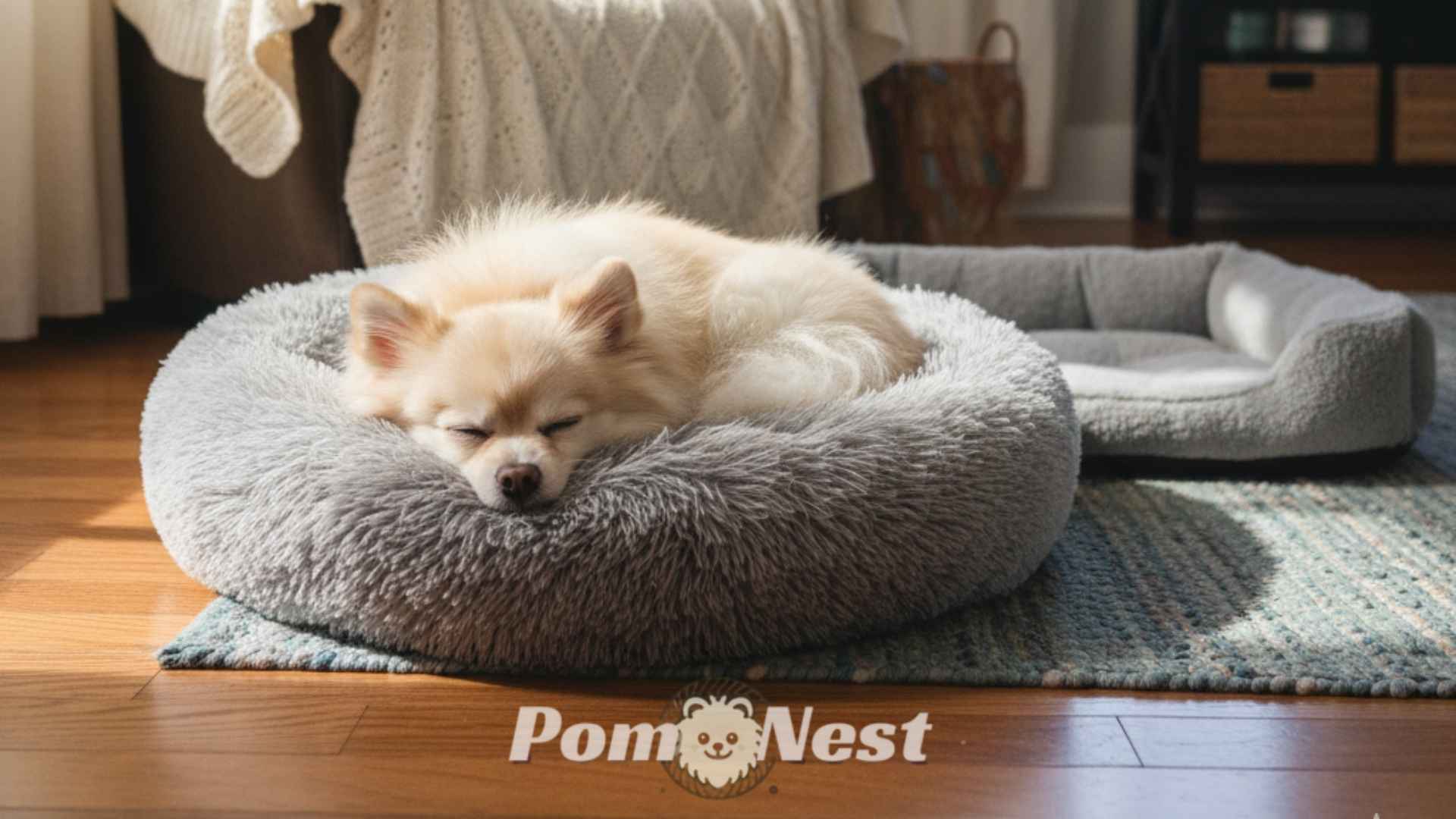
Beyond heating pads, you can keep a Pomeranian warm by using raised beds to get them off cold floors, fitting them with well-sized sweaters for walks, and ensuring their grooming routine doesn’t involve “shaving to the skin.” Keeping their bed in a draft-free corner of the house is also key.
Most Pomeranians are perfectly happy in temperatures between 68°F and 74°F. If your home drops below 65°F at night, a heat source is recommended. Conversely, if temperatures rise above 80°F you should switch from warming to cooling measures.
Watch for physical cues: shivering, whining, “hunching” their back, or lifting their paws off the ground. If your Pom is constantly trying to burrow under your blankets or sit on your feet, they are likely seeking additional warmth.
Only if it is specifically designed for 24/7 use and has an internal thermostat. Brands like K&H are designed to stay on indefinitely, whereas cheaper models often have a 2-hour or 4-hour safety shut-off. For overnight use, safety is the priority—never use a pad with a damaged cord.
You may also like


Build the Perfect Care Routine for Your Pomeranian
Select your Pom’s age, coat type, and activity level to instantly get a custom care checklist — it’s fast, free, and made with love!
Give your Pom the daily care they truly deserve.